
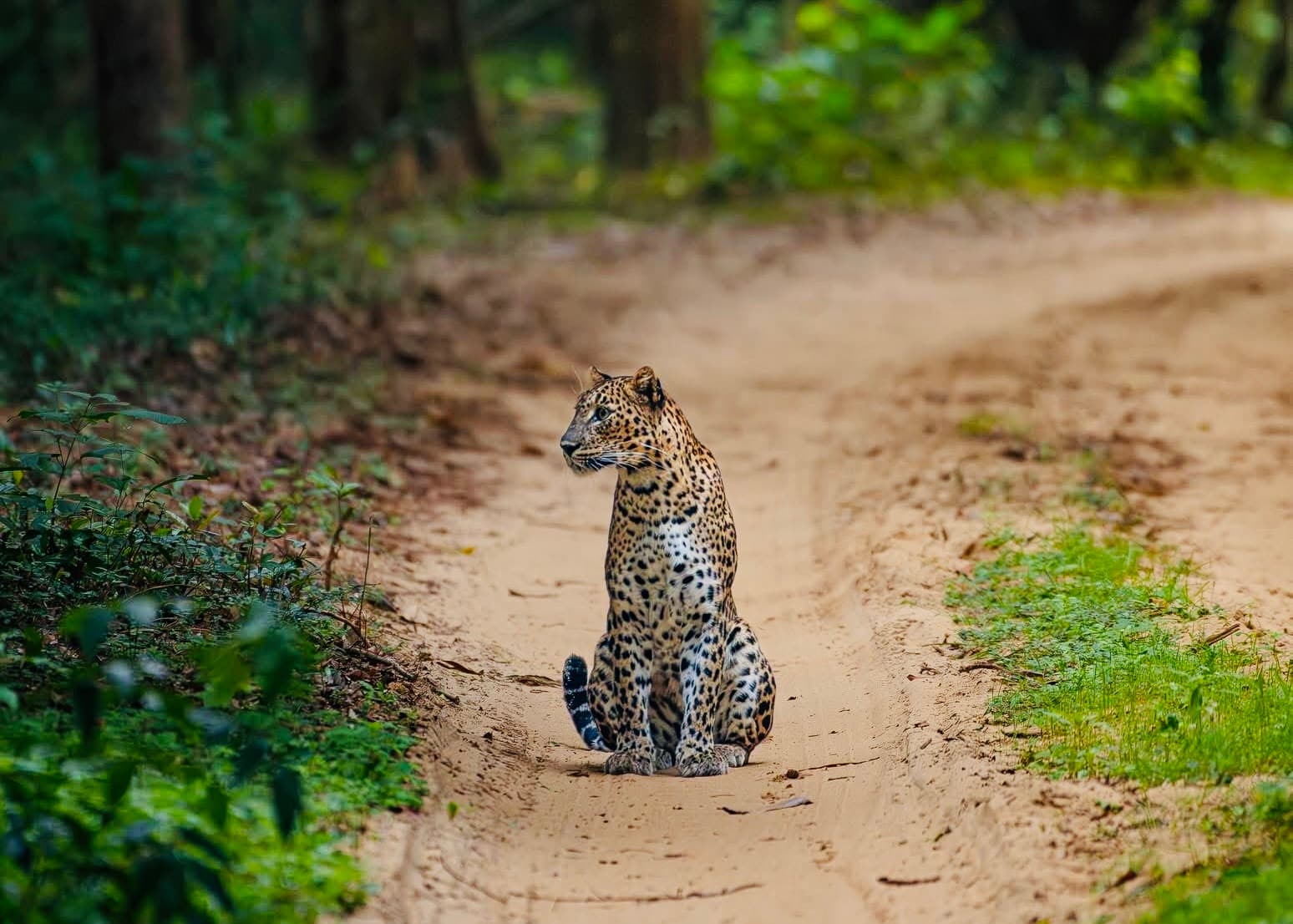
Yala National Park Safari 2026 Overcrowding, Digital Tickets & Why You Should Skip Block 1
Sri Lanka's Yala National Park is famous for having the world's densest population of leopards. But in recent years, this wildlife haven became a victim of its own popularity creating traffic jams that frustrated visitors and stressed the animals. Now, 2026 marks a turning point. With stricter controls, a digital entry system, and smarter safari options, you can finally experience Yala without the chaos.
This guide covers everything the search engines want you to find in 2026: the new 300-vehicle cap, how the digital ticketing system works, the true cost of a safari, and why you'll likely want to avoid the park's most popular zone, Block 1.
Part 1 The 2026 Rules You Need to Know
Digital Ticketing & Visitor Caps
The big news for 2026 is that Yala is getting organized. After years of unrestricted access, authorities are now implementing a unified digital ticketing platform to control daily visitor numbers. This e-ticketing system, which will use QR scanning facilities, aims to enforce specific time slots and hourly vehicle limits to prevent overcrowding and its negative effects on the park's ecosystem.
In an immediate move, the Department of Wildlife Conservation has already decided to limit the number of tourist vehicles entering Yala National Park to 300 per day. This is a significant reduction from the chaotic levels of previous years.
What This Means For You: Advance booking is no longer optional. To secure your spot, you'll need to reserve your entry slot online before arriving at the park.
Mandatory Driver Licensing
A new driver training and licensing program is in full effect. All jeep drivers entering Yala must now be licensed by the Department of Wildlife Conservation (DWC) or be accompanied by a certified DWC tracker. This ensures that your driver knows the rules, respects wildlife, and can safely navigate the park without harming the animals.
Part 2 Why Most Tourists Choose the Wrong Block (And What to Pick Instead)
Block 1 is Yala's most famous safari area. It has the highest density of leopards in the park, with at least one leopard per square kilometer. But Block 1 has become a victim of its own success. At times, the number of safari vehicles here mimics a pack of jackals in their pursuit of wildlife, making it impossible to enjoy a quiet, natural experience.
If you want solitude, better photography conditions, and a more authentic experience, you have alternatives:
* Block 5 (Less Crowded): Offers open landscapes, higher leopard density than you might expect, and far fewer jeeps. It is the go-to choice for introverts and photographers tired of the endless parade of jeeps that define Block 1. A recent government proposal aims to open up less-populated areas like Block 5 to reduce the ecological pressure on Block 1.
* Lunugamvehera National Park (Hidden Gem): This park functions as an elephant migration corridor connecting Yala and Udawalawe, but with almost zero tourists. It is an excellent alternative for those seeking raw wilderness without the commercialization of the main sector.
Most safari operators default to Block 1 simply because it is easier, but a knowledgeable, ethical operator will be happy to take you to Block 5. It is a decision that will vastly improve your Yala experience.
Part 3 — 2026 Cost Breakdown: What You'll Actually Pay
Many visitors are surprised when they arrive at the park gate and have to pay a large entrance fee in cash. Here is a transparent breakdown of the 2026 costs.
Park Entrance Fee (Paid Separately)
The government charges this fee, and it is almost never included in the low price you see advertised for a safari tour.
* Foreign Adults: Approximately 25 – 25–35 USD per person
* Children (6-12 years): Approximately 15 – 15–20 USD
* Children under 6: Usually free
* Payment Method: Cash in Sri Lankan Rupees is required at the gate
Safari Jeep Hire
You cannot enter Yala using a private vehicle. A licensed jeep with an experienced driver is mandatory.
Safari Type Approximate Cost (USD) What Is Included
Shared Jeep (Half Day) 20
–
20–30 per person Driver, pickup, water
Private Jeep (Half Day) 60
–
60–90 per jeep Driver, pickup, water, privacy and flexibility
Full-Day Safari (Private) 120
–
120–180 per jeep Breakfast, lunch, driver, water, extended hours
Total Cost for Two People (Private Half-Day): A private half-day safari for two people typically costs
90
–
90–110 USD total (jeep hire + entrance fees). Always ask your operator upfront: "Does your price include the park entrance fee, or is that paid separately?"
Part 4 — Best Time to Visit for Leopard Sightings
The most searched question about Yala remains: "When is the best time to see leopards?"
The answer is consistent across experts. The dry season from February to July is the best period to visit. During these months, water levels drop, shrinking water sources force animals to gather near the remaining tanks and lagoons, and the vegetation thins out, improving visibility.
For the absolute highest leopard sighting probability, aim for February through April. This is the peak leopard window within the dry season.
Annual Park Closure: Yala is usually closed for maintenance and the annual wildlife census during September. Check current schedules before booking.
Morning vs. Afternoon: Morning safaris (5:30 AM – 9:00 AM) are significantly more productive for leopard sightings, as the cats are most active in the first two hours of daylight. Afternoon safaris (3:00 PM – 6:00 PM) offer better elephant viewing and stunning sunset light.
Part 5 — How to Beat the Crowds & Secure Your Entry
With the new 300-vehicle daily limit, you need a strategy to guarantee your spot and enjoy the best safari.
* Book a "Skip-the-Line" Early Entry: Start before sunrise. Some operators now offer departures as early as 4:30 AM to be one of the first vehicles inside the park when the gates open. This strategy avoids the main entrance bottleneck and gives you a head start on the day's best leopard activity.
* Book Online in Advance: Use the official DWC website or a trusted local partner to secure your digital entry slot before you arrive.
* Choose a Smaller Gate: Most tourists use the Palatupana Main Gate to access Block 1. Ask your driver to use the quieter Katagamuwa Gate to access the less-crowded northern part of the park.
Part 6 — The Ethical Choice: The Lucas Story
The new regulations in 2026 are not just about convenience—they are about survival. In April 2026, a major controversy erupted over the fate of Lucas, one of Yala's most iconic male leopards. It was feared that Lucas had been struck by a safari jeep, which prompted a full investigation. Fortunately, park warden Ravindra Kumar later confirmed that Lucas was spotted in good health near his usual territory.
The Lucas incident highlighted the real-world impact of overcrowding. The park is facing a "dangerous wildlife crisis" as tourism pressure transforms leopard-watching into a deadly spectacle. By choosing ethical operators, respecting vehicle limits, and never pressuring your driver to get closer, you become part of the solution. The long-term sustainability of the park depends on moving away from a "box-ticking" culture focused solely on sightings toward a model that prioritizes the quality of the wildlife experience.
Part 7 — Yala vs. Udawalawe
This comparison is one of the most common searches among travelers planning a Sri Lanka itinerary.
* Choose Yala if: Your primary goal is seeing a Sri Lankan leopard. Yala has the highest leopard density of any national park on Earth. The thrill of tracking these cats is unmatched.
* Choose Udawalawe if: You want guaranteed elephant sightings in a peaceful, family-friendly atmosphere. Udawalawe is smaller, easier to navigate, and far less crowded than Yala. Elephants are present year-round in large numbers, making it one of the most reliable places in Asia to observe wild Asian elephants.
Consider both: Many travelers combine Yala and Udawalawe on the same itinerary. Visit Yala for its dramatic leopard encounters and biodiversity, then visit Udawalawe for guaranteed elephant sightings and quiet solitude.
Part 8 — Packing List & Final Tips
Essentials:
* Neutral-colored clothing (khaki, beige, olive, or brown)
* Lightweight jacket for the early morning chill
* High-SPF sunscreen and a wide-brimmed hat
* Insect repellent with DEET or picaridin
* At least 1.5 liters of water per person
* A scarf or medical mask for the fine red dust
* Binoculars
* Passport (mandatory for entrance verification)
* Cash in Sri Lankan Rupees (for park entrance fees)
Photography Tips:
* Use a telephoto lens (200-400mm minimum)
* Shoot during the golden hour (early morning and late afternoon)
* Never use flash photography—it is prohibited and disturbs the animals
* Use a small beanbag to stabilize your camera on the jeep rail
Where to Stay: Base yourself in Tissamaharama (Tissa), located just 20 minutes from the park entrance. The town has the widest range of accommodation, from budget guesthouses to luxurious eco-lodges.
Frequently Asked Questions
Q: Do I need to pre-book my Yala safari in 2026?
Yes. With the new 300-vehicle daily cap and digital ticketing system, advance booking is essential, especially during peak season (February–July).
Q: Are leopards guaranteed at Yala?
No. Yala has the highest leopard density in the world, but wildlife sightings are never guaranteed. Any operator who claims otherwise should be avoided.
Q: What is the easiest way to get to Yala?
Most foreign travelers fly into Colombo and arrange a private transfer or drive to Tissamaharama (approximately 5–6 hours). Alternatively, you can travel from Ella (approximately 2 hours) or from the southern beach towns like Mirissa, Tangalle, or Galle.
Q: Is Yala suitable for children?
Yes, with realistic expectations. Morning safaris start very early, which can be challenging for young children. Afternoon safaris are more manageable for families.
Q: Is there a tiger myth at Yala?
There are no tigers in Sri Lanka. The apex predator is the Sri Lankan leopard. This is a persistent myth that social media spreads, but the scientific truth is straightforward.
Final Thoughts
Yala National Park remains one of the world's truly great wildlife destinations. The leopards are still there. The elephants still gather at the waterholes. The sun still rises over the scrubland and paints the granite rocks gold. But now, for the first time in years, you have the tools to experience it without the frustration and with a clear conscience.
Choose quiet Block 5 over crowded Block 1. Book your digital ticket in advance. Travel outside peak months when possible. And above all, be the traveler who helps save the king. The revolution starts with your booking.
This guide was updated in May 2026 with verified 2026 pricing, new park regulations, and search-trend analysis based on official government announcements, park warden statements, and wildlife conservation publications. Always confirm current entrance fees and digital ticketing status with the Department of Wildlife Conservation before booking your safari.
Ready to see this in real life?
Book your Yala safari today and experience the magic firsthand.
Explore Packages