50 Jeeps, 1 Leopard" — 7 Brutal Truths About Yala No One Tells You (And What To Do Instead in 2026)
Picture this. You wake up at 4:30 AM, bounce down a dusty road for an hour, pay your entrance fee, and finally enter Yala National Park. You scan the scrubland for leopards. Your driver hears a crackle on the radio — a sighting, two kilometers away. Twenty jeeps race toward the same spot. You arrive to find a single leopard surrounded by fifty vehicles, engines idling, tourists leaning out, cameras clicking.
This is not a worst-case scenario. This is a normal morning in Yala's Block 1 during peak season.
Most safari guides gloss over this reality. They show you the stunning photographs but never mention that fifty other photographers were standing right next to them. This guide takes a different approach. It tells you the brutal truths that no glossy brochure will share, then shows you exactly how to sidestep them.
Truth #1: Block 1 Is A Traffic Jam, Not A Safari
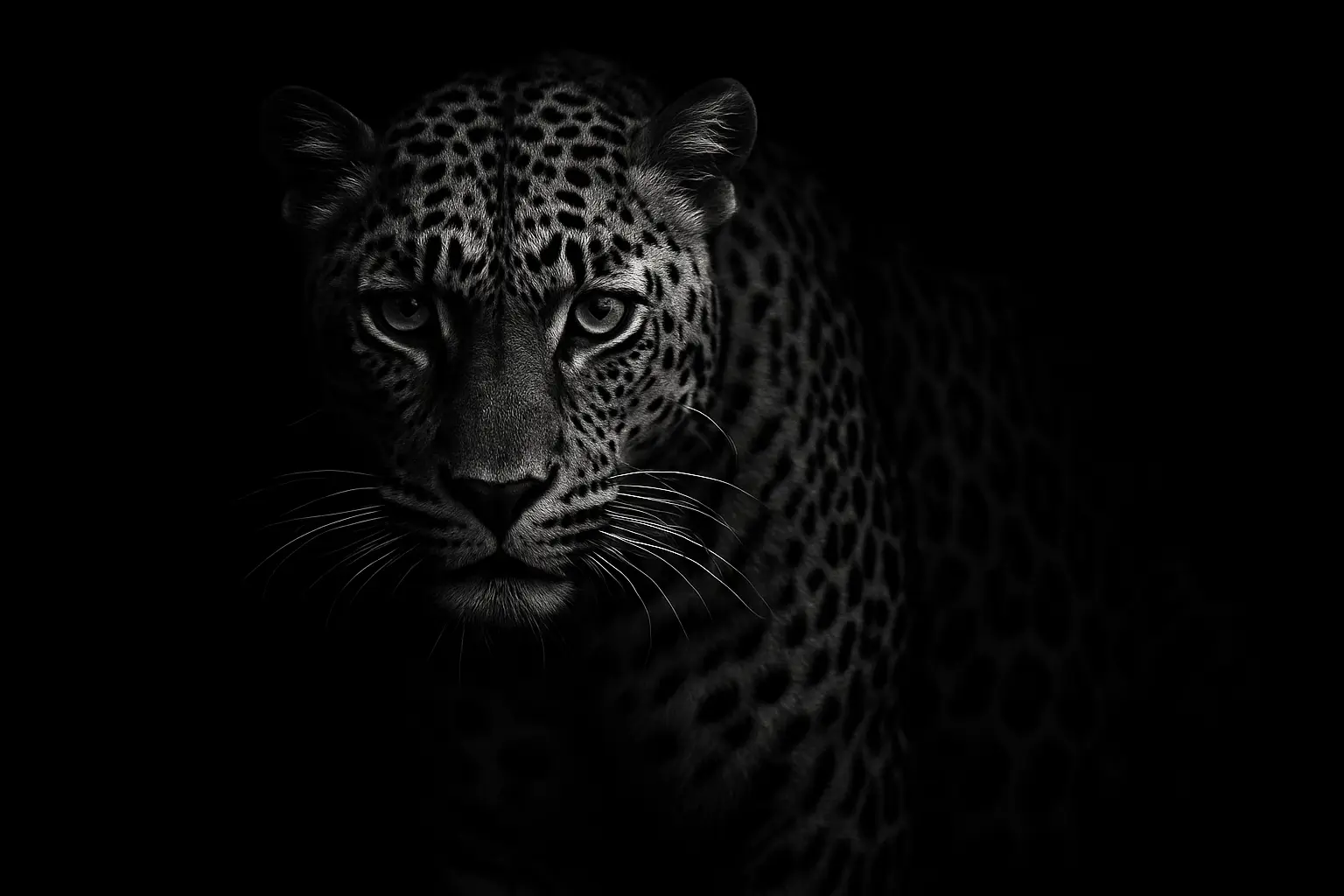
Approximately ninety percent of all Yala tours go to Block 1. The reason is simple — Block 1 has the highest density of leopards in the world. The result, however, is a circus.
On peak mornings, dozens of jeeps can crowd around a single leopard sighting. These "leopard jams" are so common that they have earned their own name among local drivers. The animals, designed to be solitary hunters, face an audience of hundreds every single morning. The experience shifts from intimate wildlife observation to competitive sightseeing.
The Truth: You are not on a private safari. You are part of a convoy.
The Fix: Skip the mainstream tours and ask your operator to explore quieter routes that avoid crowded zones. Some specialised tours now offer early-morning "skip-the-line" entry that starts before sunrise, allowing access to the park when only a handful of jeeps are inside.
Truth #2: Block 5 — Same Leopards, Fraction Of The Jeeps
Most tourists do not know that Yala is divided into five distinct zones. Block 5 is a different section of the park entirely — featuring the same dry scrubland, the same waterholes, and many of the same leopards — but with a fraction of the jeep traffic.
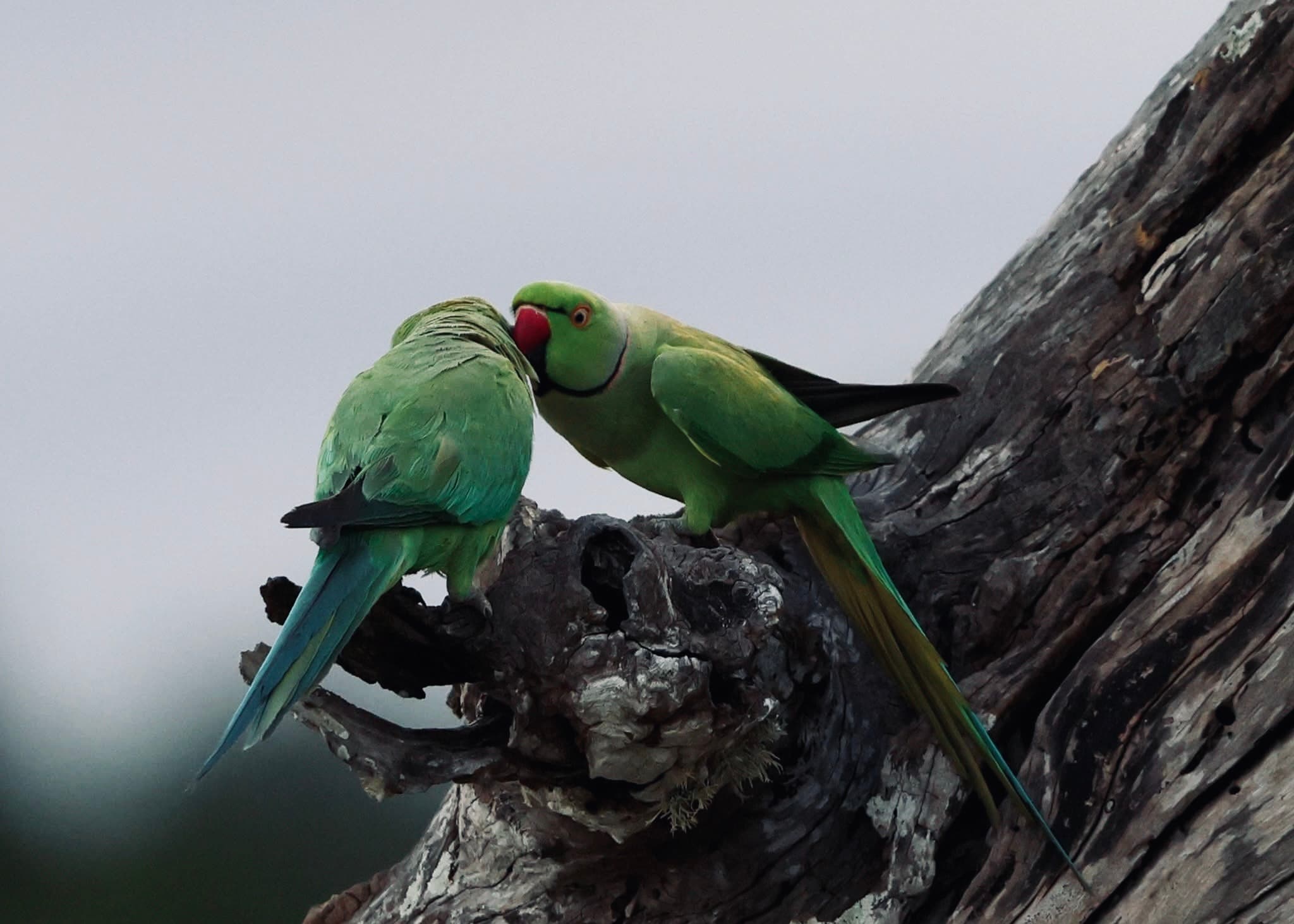
While Block 1 hosts ninety percent of visitors, Block 5 sees barely ten percent. The wildlife viewing is still excellent. You will find leopards, elephants, sloth bears, and abundant birdlife, all set against dramatic rock outcrops and open grasslands. The key difference is that you may occasionally be the only vehicle at a sighting. It's especially well-suited for introverts, photographers, and anyone who associates "peace" with their safari.
The Truth: Most travel agents send you to Block 1 by default because it is easier, not because it is better for you.
The Fix: Ask your safari operator specifically about Block 5. If they hesitate or claim it is not available, find a different operator. Any knowledgeable guide can arrange access to Block 5, and the experience is transformative.
Truth #3: Lunugamvehera Is Yala's Secret Twin (And It's Almost Empty)
Three kilometers down the road from Yala's crowded gates lies a hidden gem that most travelers never see. Lunugamvehera National Park is an elephant migration corridor that connects Yala and Udawalawe, effectively functioning as a quieter, lesser-known twin to the main park.
The park features dry evergreen forests, thorny scrublands, and large water reservoirs that support a wide range of species. Visitors often witness elephants moving naturally, unbothered and unchoreographed, as they travel between the two famous parks. Leopards, deer, crocodiles, and wild boar all call Lunugamvehera home. There are no crowds here. No queues. Just raw, authentic wilderness.
The Truth: Lunugamvehera offers a more intimate atmosphere. It's a destination for true wilderness lovers, photographers seeking unique shots, and conservation-minded travellers who want to support under-visited protected areas.
The Fix: Look for tour operators explicitly offering Lunugamvehera safaris. A private safari to Lunugamvehera typically costs
30
t
o
30to40 USD per person and can be combined with a sunrise start for exceptional wildlife visibility.
Truth #4: Leopard Sightings Are Never Guaranteed
Here is a hard truth that many guides will not say out loud. Even with Yala's world-leading leopard density, no sighting is ever guaranteed. There are days when the cats simply do not appear. There are mornings when the only leopards you will see are paw prints in the dust.
Professional drivers use every trick in the book — reading animal tracks, listening for alarm calls from monkeys and birds, and coordinating with other drivers on the radio. But nature writes its own schedule. This uncertainty is what makes a genuine sighting magical. But it also means that even the most expensive, highly-rated safari can theoretically return to the gate with nothing but memories of elephants and peacocks.
The Truth: Any operator who guarantees a leopard sighting is lying to you.
The Fix: Manage your expectations before you arrive. Treat a leopard sighting as a bonus, not a requirement. The park offers extraordinary wildlife regardless — elephants, sloth bears, crocodiles, and more than 215 species of birds. Focus on the experience as a whole, and let the leopards be a pleasant surprise.
Truth #5: Morning Safaris Are Better (But They Require Brutal Discipline)
Most and afternoon safari options have entirely different strengths. The morning safari, typically entering the gate at 6:00 AM, offers cooler temperatures and significantly higher animal activity. Leopards are most active in the first two hours of daylight, and the photographic light during this window is unmatched.
The afternoon safari, entering at 2:00 PM, offers warmer conditions, a slower pace, and the potential for stunning sunset photography. Elephants often gather at waterholes during this window, making it ideal for families and photographers seeking golden-hour shots.
The morning safari is generally considered superior for leopard sightings. But it demands a brutal schedule — hotel pickup often as early as 4:30 AM, a ninety-minute drive to the gate, and an immediate start before the sun rises. Some travellers find this exhausting, particularly if they are still adjusting to Sri Lanka's time zone.
The Truth: There is no "right" choice, only the choice that fits your preferences and energy levels.
The Fix: If you have two days in the area, book one morning safari and one afternoon safari. Experience the park in both lights and cover more ground with less fatigue. The morning drive focuses on predators; the afternoon drive focuses on elephants and landscapes.
Truth #6: The Real Cost Is Higher Than You Think
Most online listings for Yala safaris show an attractive price —
40
,
40,50, or $60 USD per person. Here is what they often do not tell you: the government-mandated park entrance fee is almost always excluded.
As of 2026, the entrance fee for foreign adults is approximately
25
t
o
25to42 USD per person, paid separately in cash at the park gate. Some operators also exclude transfers, water, meals, and binoculars.
A private half-day safari for two people typically costs
90
t
o
90to110 USD in total when you combine jeep hire and park fees. Full-day explorations run higher, and day trips from Colombo exceed that range.
The Truth: That $50 listing on your booking platform is a decoy. The real price is double.
The Fix: Before booking, ask for an itemised breakdown. Insist on seeing exactly what is included and what is not. Confirm whether the park entrance fee is bundled or separate. Request a written quotation in both USD and Sri Lankan Rupees to avoid currency surprises at the gate.
Truth #7: The Packing Advice Most Guides Skip
You have read the standard packing list — neutral clothing, sunscreen, water, camera. This is all correct. But the guides that actually improve your safari experience include a few unexpected items.
A scarf or dust mask: Yala in the dry season produces extraordinary quantities of fine red dust. The jeep is open-sided. After three hours of bumping along dirt tracks, you will be coated in a layer of red grit. A simple scarf tied around your nose and mouth makes the difference between discomfort and tolerability.
Extra batteries and memory cards: You will shoot far more photographs than you expect. The animals move fast. The light changes minute by minute. Running out of battery or storage fifteen minutes into a leopard sighting is a tragedy that is entirely preventable.
Binoculars that you know how to use: Most safari jeeps provide binoculars, but they are often low-quality and uncleaned. Bringing your own pair — with at least eight to ten times magnification — transforms your ability to spot wildlife before the jeep even stops.
Cash in small denominations: You will need to tip your driver, buy snacks at the gate, and possibly pay for restroom access. ATMs near the park are unreliable. Carry Sri Lankan Rupees in small bills for smooth transactions.
What To Do Instead: A Saner Safari Itinerary For 2026
If after reading these brutal truths you are considering skipping Yala entirely — do not. Yala remains a genuinely world-class wildlife destination. The key is to approach it intelligently rather than blindly following the crowds.
Here is a saner three-day approach that sidesteps the worst of the overtourism.
Day 1: Arrival in Tissamaharama
Drive from Colombo or your coastal base to Tissamaharama, the gateway town located approximately twenty kilometers from the park. Check into your accommodation, rest, and avoid the temptation to do a same-day safari. Tissamaharama offers a range of lodging — from budget guesthouses to luxury eco-lodges. Use this evening to confirm your safari bookings and ask specifically about Block 5 or Lunugamvehera options.
Day 2: Morning Safari In Block 5 or Lunugamvehera
Instead of joining the convoys heading to Block 1, request a morning safari in Block 5 or Lunugamvehera. These zones see significantly fewer vehicles and offer comparably excellent wildlife viewing. Start early — aim to be at the gate by 6:00 AM — and spend four to five hours exploring quieter tracks, waterholes, and scenic viewpoints.
Day 3: Leisurely Exploration (Or A Second Safari)
If you saw everything you wanted on Day 2, use your third day to explore nearby attractions. Visit the Sithulpawwa Rock Temple, a ancient Buddhist monastery hidden inside the park's boundaries. Or take a short drive to Bundala Bird Sanctuary, a haven for migratory birds. If you still crave more wildlife, book a relaxed afternoon safari to a different block and experience the park during the golden hour.
Cost Summary (2026 Estimates)
Component Cost (USD) Notes
Park entrance fee (foreign adult) 25
–
25–42 per person Paid at gate, separate from jeep hire
Jeep hire (half-day private) 40
–
40–60 per jeep Covers driver, fuel, pickup
Jeep hire (half-day sharing) 20
–
20–30 per person Budget option for solo travellers
Full-day private safari 100
–
100–180 per jeep Includes breakfast/lunch
Day trip from Colombo 155
–
155–220 per group Excludes park entrance fees
Tissamaharama accommodation 20
–
20–150+ per night Wide range of options
Frequently Asked Questions
Q: Is Yala really that crowded?
Yes. During peak season (February to July), Block 1 can feel overwhelming. Dozens of jeeps frequently circle the same sighting. This is one of the primary reasons why many experienced travellers now choose Block 5 or Lunugamvehera instead.
Q: Can I see leopards in Block 5?
Yes. Block 5 supports Sri Lankan leopards, Asian elephants, and sloth bears, all with significantly fewer vehicles. The density is lower than Block 1, but the trade-off in peace and comfort is substantial for many photographers and nature lovers.
Q: What is the best month to avoid crowds?
September is often the quietest month, but the park may be closed for annual maintenance — always verify current schedules. August and October offer a balance of decent weather and moderate crowds. The peak months of February through April are the most crowded, regardless of day of the week.
Q: Is Yala suitable for young children?
Yes, with preparation. Morning safaris start very early, which can be challenging for young children. Afternoon safaris are more manageable for families. Pack snacks, water, sunscreen, and quiet activities to keep children engaged during slower periods.
Q: Can I film with a drone inside Yala?
No. Drones are strictly prohibited inside all Sri Lankan national parks. They disturb wildlife and violate park regulations. Leave your drone at your accommodation.
Final Thoughts
Yala National Park is not a paradise lost. It is a paradise that requires thoughtful navigation. The glossy brochures will never show you the fifty-jeep convoy or the dust-choked morning drive. But now you know.
Choose Block 5 over Block 1. Seek out Lunugamvehera. Ask the hard questions about pricing. Pack for the dust, not just the sun. And above all, manage your expectations — because the moment you stop chasing a guaranteed leopard is the moment you start actually enjoying the safari.
Yala rewards the prepared, the patient, and the willing to go off the beaten path. The animals are waiting. The crowds are, too. Which side of the gate do you want to be on?
Primary Keywords: Yala National Park overtourism, Yala Block 5 vs Block 1, Lunugamvehera National Park safari, Yala leopard sightings, ethical safari Sri Lanka, avoid crowds Yala, Yala safari alternatives, Yala park fees 2026
Secondary Keywords: Yala morning safari, Yala afternoon safari, Tissamaharama accommodation, Yala safari packing list, Yala vs Udawalawe, Yala Block 1 traffic
Meta Description: Tired of reading glossy guides that hide the ugly truth about Yala's leopard jams? Discover the realities of overtourism in 2026, why Block 5 and Lunugamvehera are better alternatives, and how to see wildlife without the crowds.
Ready to see this in real life?
Book your Yala safari today and experience the magic firsthand.
Explore Packages