
The Dark Side of Yala National Park Overcrowding, Leopard Deaths & A Safety Crisis (2026 Update)
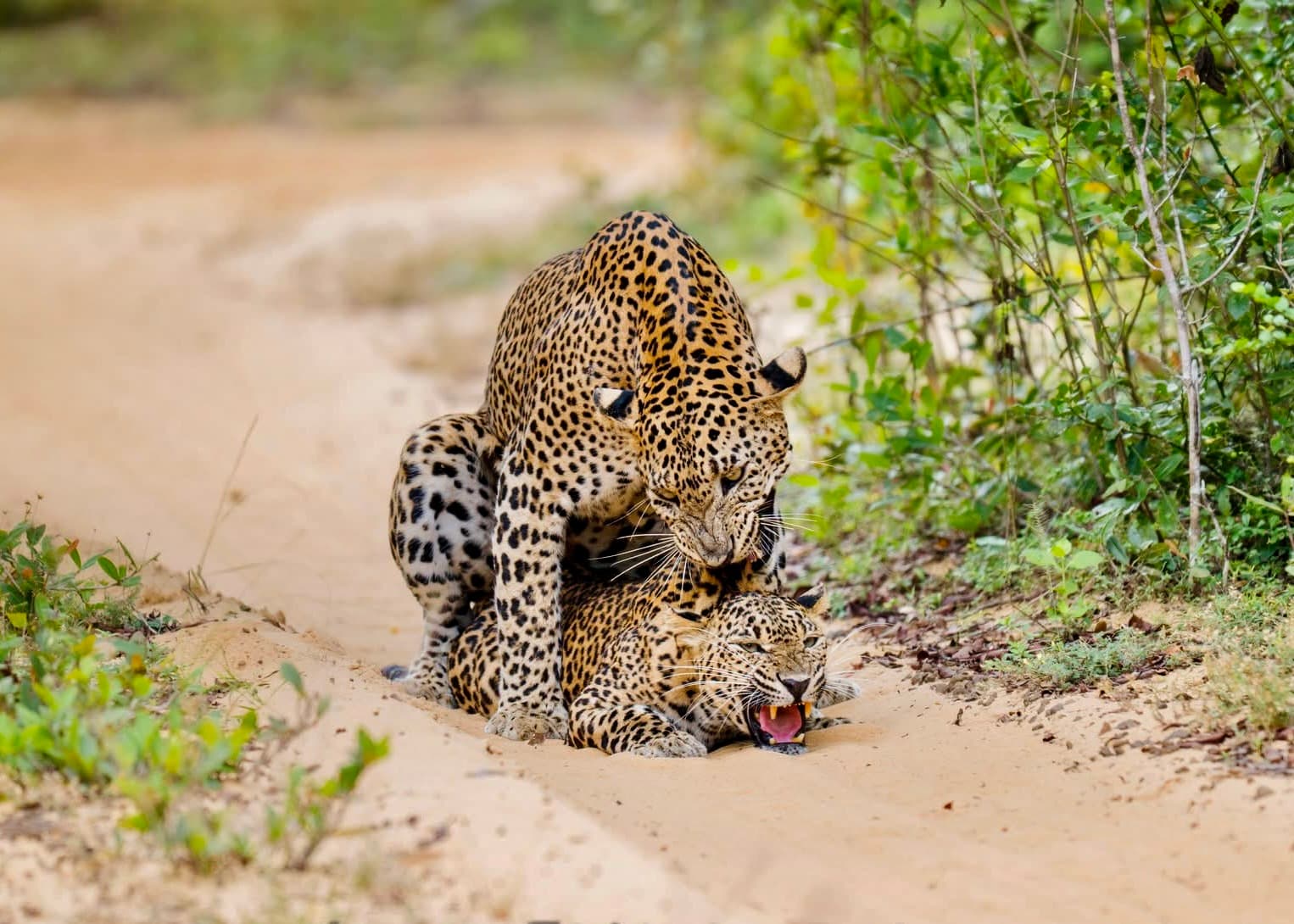
Leopards lazily stretched across ancient granite boulders, their spotted coats glowing in the morning sun. Elephants lumbering toward waterholes as painted storks took flight in synchronized waves. For years, this is the Yala National Park that glossy brochures and viral Instagram posts promised the world. And for years, it delivered.
But in 2026, a darker picture has emerged — one the travel industry would prefer you not see. It is a story of speeding jeeps mowing down wildlife, of a famous leopard named Lucas caught in a national scandal, and of gunfire echoing across a sanctuary that was meant to protect.
This is the untold story of Yala. And it might change everything you thought you knew about your dream safari.
Part 1 — The Leopard King Who Disappeared
Lucas was not just any leopard. He was a living legend.
Described by wildlife enthusiasts as "magnificent" and "striking," Lucas was one of the most iconic leopards in Yala National Park, known for his frequent sightings in key safari zones of Block I. Foreign photographers traveled from across the globe specifically hoping to catch a glimpse of him. He was, in every sense, the unofficial king of Yala.
Then, in April 2026, he disappeared.
A major controversy erupted when authorities launched an investigation into claims that Lucas had been run over, or possibly targeted, in a suspected safari jeep incident inside Yala National Park.
The Wildlife Conservation Department (DWC) Director General Ranjana Marasinghe confirmed the report and ordered an immediate inquiry, urging anyone with video footage from the day to come forward. The safari jeep believed to have been near the leopard at the time was temporarily suspended by the park warden pending further investigation.
Conflicting reports clouded the incident. The Yala Safari Jeep Owners' Association denied knowledge of any such incident, stating they had not encountered any confirmed reports involving their members. Meanwhile, unverified social media posts went viral, claiming that Lucas may have been killed after being struck by a safari vehicle.
Officials cautioned the public against spreading unconfirmed information while investigations continued. The park warden later told Mongabay that the incident was not an accident as reported. He explained that drivers are advised to switch off the engine when near an animal. "But this driver had turned on the engine, and it had scared away the animal. However, Lucas was spotted the following night near Yala junction, the animal's usual territory, and is in good health," he stated.
The conflicting positions left travelers and conservationists with more questions than answers. Whether Lucas survived or not, the incident exposed a terrifying truth about Yala. The parks system with the world's highest density of leopards has a serious safety crisis, and the animals are paying the price.
Part 2 — Speeding Jeeps & The Deadly Spectacle
The Lucas controversy was not an isolated accident. It was a symptom of a much larger, deeply entrenched disease.
Past incidents reveal a disturbing pattern of dangers associated with speeding jeeps for both humans and wildlife:
* In October 2011, a young leopard was killed in a hit-and-run safari jeep accident.
* In June 2012, another jungle cat died in a hit-and-run incident.
* In September 2021, two safari jeeps carrying local and foreign visitors collided inside the park, injuring one local visitor.
Today, the situation has only worsened. Conservationists describe a "dangerous wildlife crisis" as tourism pressure transforms leopard-watching into a "deadly spectacle". Speeding jeeps chase after leopard sightings with what appears to be little regard for animal welfare or visitor safety.
The numbers explain why. Yala National Park attracted more than 380,000 visitors in the first half of 2025 alone, generating more than $5 million in government income. In 2024, the park attracted an overwhelming 646,704 visitors — local and foreign tourists combined — making it the most visited park in the country. The surge in social media-driven tourism has intensified the problem dramatically.
Block I of Yala National Park attracts the most visitors, as it has the highest density of leopards, with at least one leopard per square kilometre. This concentration creates the perfect storm for "leopard jams" — where multiple vehicles crowd around a single animal.
Even though Lucas barely escaped injury, the larger issue of overcrowding remains a challenge. "Overcrowding at this section of the park started with the social media boom and when communication became much easier," said conservationists tracking the problem.
Part 3 — Gunfire Inside the Sanctuary
As if the jeep crisis was not enough, March 2026 brought an even more alarming headline.
On March 21, 2026, police reported a shooting incident inside Yala National Park. A group of individuals who arrived in a vehicle allegedly opened fire within the park premises. Officers attached to the Babuwa Wildlife Outpost rushed to the scene after hearing gunshots.
The suspects were also accused of damaging a wildlife department jeep and breaking its gate before fleeing the area. Police said nearby stations were alerted, and operations were underway to locate and apprehend those responsible.
Just weeks later, two suspects were arrested for allegedly killing wild animals in Yala National Park and possessing animal meat. The arrests were made during a joint special operation by police special task force officers and wildlife officials in Zone No. 2 of the park. Authorities recovered a locally manufactured firearm, two bicycles, and other equipment from the suspects' possession.
These incidents shattered the illusion of Yala as a peaceful, well-protected sanctuary. A national park that had built its global reputation on conservation had suddenly become a hunting ground.
Part 4 — Why It's Happening: The Root Causes
Three interlinked factors have driven Yala into this crisis.
1. No Carrying Capacity Restrictions (Until Now)
Sri Lanka's national parks have historically operated without any restrictions on visitor numbers. "The problem is something we all need to look at and consolidate because, in any wildlife park in Sri Lanka, you don't have a carrying capacity restriction. You take any number of people who come," Sri Lanka Tourism Development Authority Chairman Buddhika Hewawasam admitted to reporters in January 2026.
2. Limited Entry Gates & Staff Shortages
While Yala has three gates capable of operation — allowing access to Block 1 and Block 2 — staff shortages within the Wildlife Conservation Department have hindered their full utilisation. Everyone currently enters and exits from the same place, creating congestion bottlenecks that worsen at peak times.
3. Neglect of Alternative Parks
The National Audit Office's review highlights significant inaction and neglect in developing other wildlife park sites across Sri Lanka. While parks like Yala are overwhelmed, other parks with immense potential are hampered by lack of basic facilities.
Part 5 — The Solution: Digital Ticketing & Visitor Caps
The crisis has finally forced action. In what could be the most significant change in Yala's history, 2026 is the year the government fights back.
A Presidential Task Force is currently coordinating efforts between the SLTDA, the Wildlife Conservation Department, the Forest Department and tourism authorities to fast-track digital interventions. Under the proposed changes, Yala would be the first park in Sri Lanka to operate under a capped daily visitor system, managed exclusively through a digital platform.
The system will use a unified digital ticketing platform with QR scanning facilities. It aims to regulate visitor flow by enforcing specific time slots and limits on the number of vehicles entering per hour. "Every other park in the world works like that ... you know exactly how many you can carry per day and how many you can carry per hour," Hewawasam noted, emphasising that the necessary infrastructure is already available and the focus is now on implementation.
Additionally, by early 2026 the DWC decided to limit the number of vehicles entering Yala to 300 per day as an immediate measure. Opening alternative gates to divert traffic is also on the near-term agenda. The government now affirms that the necessary dialogue to establish carrying capacity caps and digital interventions is progressing rapidly.
Part 6 — How Ethical Tourism Is Fighting Back
Amid the chaos, a quieter revolution is taking root on the fringes of Yala — one that offers a blueprint for the park's future.
Yakaduru Yala, an innovative eco-safari lodge on the park's fringes, has become a beacon of sustainable tourism. After opening in 2022, Yakaduru Yala transformed old chena plantations into a sanctuary where ecological practices and ancient farming traditions thrive together in equilibrium.
The lodge has hosted over 30,000 guests and quickly acquired a reputation as one of Sri Lanka's most loved eco-tourism spots. Sustainability is at its core — using solar power eliminates its carbon footprint, while reforestation work with local wildlife and forest departments helps restore degraded lands.
The lodge's success extends to meaningful local community engagement, promoting chena farming and providing employment while offering a model for sustainable growth. For travelers seeking more than accommodation, Yakaduru Yala offers a glimpse into Sri Lanka's artistic legacy, wildlife interaction and cultural immersion that surpass ordinary travel experiences.
Part 7 — What This Crisis Means For You
If you are planning a Yala safari in 2026 or beyond, the crisis has fundamentally changed the landscape. Here is what you need to know.
Safety Is Now A Genuine Concern
The shooting incidents, leopard collisions and jeep accidents are not isolated anomalies. They represent systemic failures in park management that could put visitors at risk.
What you can do: Book only with licensed, well-reviewed operators. Ask specifically about driver training and safety protocols. Ensure your driver follows the 30-metre minimum distance rule and does not speed.
Responsible Travel Is Non-Negotiable
Your safari choices have direct consequences for Yala's wildlife. Every time you encourage a driver to move closer or speed to get a better view, you become part of the problem.
What you can do: Choose ethical operators who prioritise wildlife welfare over customer satisfaction. Support eco-lodges like Yakaduru Yala. Visit Block 5 or Lunugamvehera instead of crowded Block 1. Spread your tourism pressure across the park system.
Advance Booking Is No Longer Optional
With digital ticketing and daily vehicle caps coming into effect, you can no longer show up at the gate and expect entry.
What you can do: Book your safari at least 2–3 weeks in advance during peak season (February–April). Verify that your operator has secured your digital entry permit before you arrive.
The Best Safari Is An Early One
Skip-the-line tours that enter the park before sunrise — starting as early as 4:30 AM — allow you to experience Yala at its most tranquil. These tours maximise leopard sightings while avoiding the worst of the jeep congestion.
What you can do: Look specifically for "skip the line" or "early morning" safari packages. Confirm that your operator uses quieter routes away from the main convoy traffic.
Frequently Asked Questions
Q: Is Yala National Park safe in 2026?
The park faces serious safety challenges related to speeding jeeps and inadequate management. However, visitors who choose licensed operators, follow park rules, and avoid peak times minimise their risk. The government is actively implementing digital ticketing and vehicle caps to address these issues.
Q: Did the leopard Lucas survive the jeep incident?
The park warden confirmed Lucas was spotted the following night in his usual territory and was in good health. Unverified social media posts claiming he was killed prompted officials to caution the public against spreading unconfirmed information while investigations continue.
Q: What is the number of shooting incidents at Yala in 2026?
At least one confirmed shooting inside the park was reported in March 2026. Additionally, two suspects were arrested for allegedly killing wild animals and possessing animal meat within the park. Investigations are ongoing in both cases.
Q: Will digital ticketing fix the overcrowding problem?
The proposed digital system with strict visitor caps and hourly limits has the potential to resolve the congestion issues permanently. However, successful implementation depends on adequate park staffing, gate operations and enforcement. The government has acknowledged that administrative shortcomings have historically hampered full utilisation of existing infrastructure. Their renewed commitment suggests progress.
Q: What is the best alternative to Yala Block I?
Block 5 offers the same dry scrubland, waterholes and wildlife — including leopards, elephants and sloth bears — with a fraction of the jeep traffic. Lunugamvehera National Park, located just three kilometres away, provides an even quieter experience as an elephant migration corridor connecting Yala and Udawalawe.
Q: Which months are worst for overcrowding?
February through April represent peak visitor season when leopard sightings are most reliable. These months also see the worst vehicle congestion. If possible, consider traveling during May–July or August–September for lower crowd density while still enjoying good wildlife visibility.
Final Thoughts
The dark side of Yala National Park is not a secret any longer. It is a story of a sanctuary pushed to its breaking point — of leopards threatened by the very industry that claims to celebrate them, of gunfire in protected zones, and of a famous king whose fate became a national scandal.
But it is also a story of hope. The government is finally taking action. The conversation about carrying capacity is no longer theoretical — it is happening now, with a Presidential Task Force coordinating across agencies and the infrastructure for digital ticketing already available. Ethical operators and eco-lodges are proving that responsible wildlife tourism is not just possible, but profitable. And travelers themselves are waking up to their own power.
The choice, ultimately, is yours.
You can book the cheapest jeep on your booking platform, pressure your driver to get closer to the animals, and contribute to the chaos. Or you can do your research, choose ethical operators, travel early, avoid Block I, and become part of the solution.
Yala has given the world extraordinary gifts — the highest density of leopards anywhere on Earth, dramatic landscapes that take the breath away, and encounters with wildlife that stay with you for a lifetime. The question now is whether humanity can be worthy of those gifts. The question now is whether we can save the king before it is too late.
Primary Keywords: Yala National Park crisis 2026, Lucas leopard Yala, Yala leopard killed by jeep, Yala overcrowding, Yala shooting incident, Yala National Park safety, Yala digital ticketing 2026, ethical safari Yala
Secondary Keywords: Yala Block I overcrowding, Yala leopard jams, speeding jeeps Yala, Yala National Park controversy, Yala vehicle cap 2026, Yala sustainable tourism, Yakaduru Yala eco lodge, Lunugamvehera alternative
This article was updated May 2026 with verified reports from official investigations and government announcements. Park regulations, digital ticketing implementation dates and wildlife protection protocols are subject to change. However, the need for responsible, ethical tourism at Yala is not optional — and it never will be again.
Ready to see this in real life?
Book your Yala safari today and experience the magic firsthand.
Explore Packages