
Beyond the Safari How Your Visit Protects Yala’s Leopards and Elephants
Discover how ethical tourism supports the Department of Wildlife Conservation (DWC) in Yala. Learn the visitor code, conservation efforts, and how to spot wildlife responsibly in 2025.
"An animal's eyes have the power to speak a great language." – Martin Buber
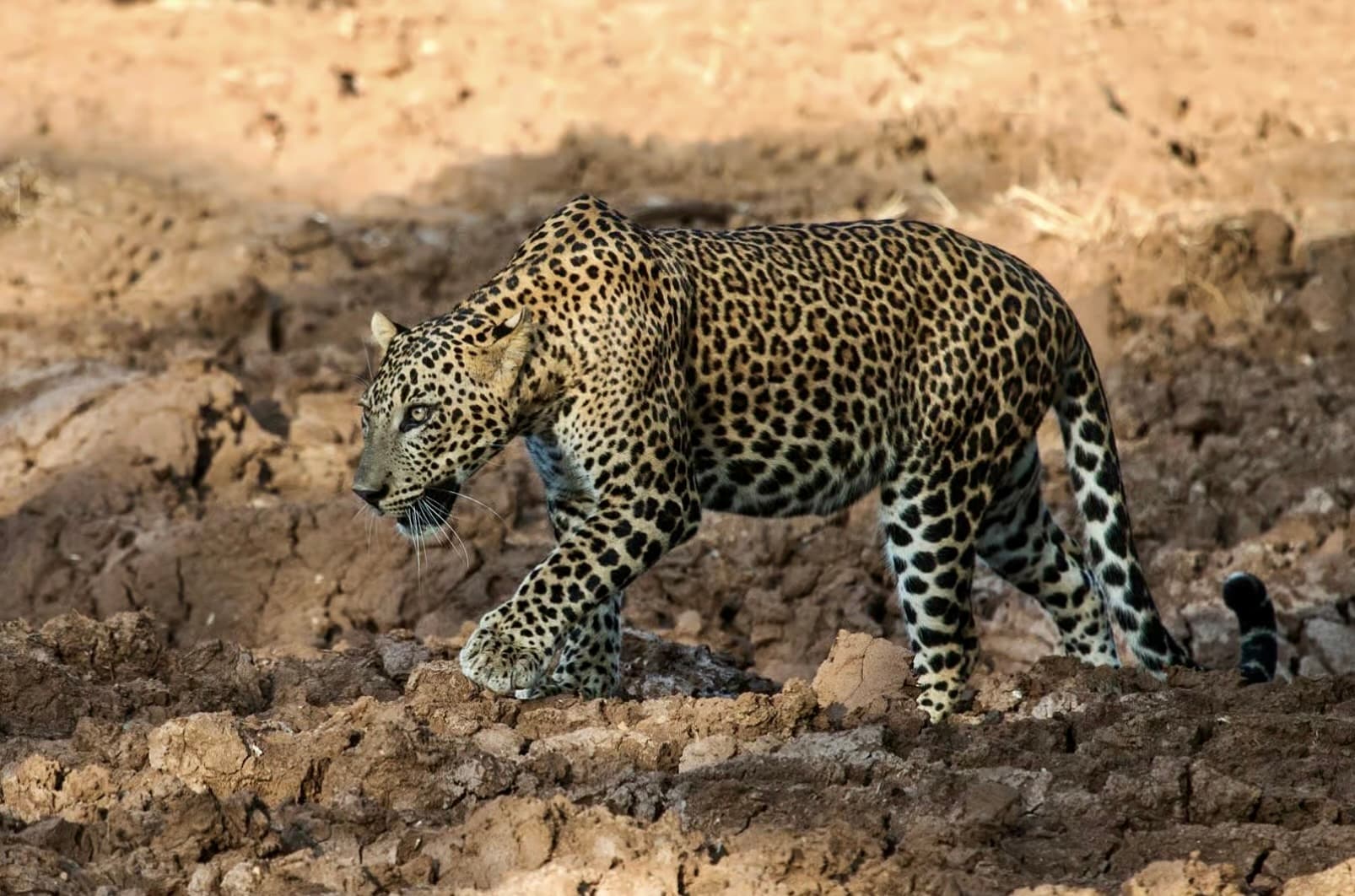
When you look into the eyes of a Sri Lankan Leopard or watch a herd of elephants bathe in a lagoon, you aren't just seeing an animal—you are witnessing a miracle of survival.
But these moments are fragile.
At Yala National Park, conservation isn't just a buzzword; it’s a daily battle. The Department of Wildlife Conservation (DWC) works against unimaginable odds to protect these lands, and as a visitor, you are their most important ally.
In this guide, we explore the real impact of your safari ticket and how to be a guardian of the wild during your trip.
1. The Mission: Preserving the "Wild" for the Future
The DWC’s mission is clear:
"To conserve wildlife and nature by the sustainable utilization of men, material and land through participatory management, research, education and law enforcement."
What does this mean for you?
Every time you pay your entrance fee, you aren't just buying a ticket. You are funding:
Anti-Poaching Patrols: Rangers who guard the park 24/7.
Habitat Restoration: Ensuring the forests and waterholes remain healthy.
Human-Elephant Conflict Mitigation: Protecting local villages while keeping elephants safe.
Yala is one of 21 National Parks in Sri Lanka, a network that includes the famous Wilpattu (known for its lakes or 'Villus') and Udawalawe (a sanctuary for elephants). Together, they form a lifeline for the island's biodiversity.
2. The Visitor Code: Rules of the Jungle
Mother Nature welcomes you, but her house has rules.
Many tourists treat the park like a zoo, but Yala is a strict nature reserve.
Top 5 Rules Every Responsible Traveler Must Know:
Silence is Golden: Loud noises stress animals. Turn off your phone and speak in whispers.
No Feeding: Feeding animals destroys their health and makes them aggressive. It is strictly prohibited.
Stay in the Vehicle: You are in predator territory. Never leave your jeep unless at a designated area like Patanangala Beach.
No Flash Photography: A sudden flash can blind a leopard or startle an elephant charge.
Leave No Trace: Plastic kills wildlife. Take all your trash back with you.
Report Bad Behavior: If you see harassment of animals, report it to your tracker or the DWC office immediately.
3. Through the Eye of a Leopard
Imagine you are a celebrity, and 50 paparazzi chase you every time you try to eat breakfast.
That is the reality for the leopards of Yala.
There are approximately 40–50 leopards in Block 1, the highest density in the world. They have learned to tolerate jeeps, but their patience has limits.
Ethical Tip: Don't pressure your driver to "chase" a leopard. If a cat is walking away, let it go. The best sightings happen when you sit quietly and let nature come to you.
4. Conservation in Action: The Tsunami Miracle
On December 26, 2004, a devastating tsunami struck Yala's coast. While 250 people tragically lost their lives, no animals were harmed.
Research suggests animals used their "sixth sense" to detect the danger early and moved to higher ground. Today, a memorial at Patanangala Beach stands as a reminder of nature's power and the resilience of Yala's wildlife.
5. Plan Your Ethical Safari
You can support conservation by choosing the right operator.
At Yala Wildlife, we believe in "Low Impact, High Value" tourism.
We hire expert naturalists who respect animal boundaries.
We avoid overcrowding by taking you to quieter zones like Block 5.
We support local communities in Tissamaharama.
Ready to make a difference?
Book a safari that puts nature first.
Email us: pasindusadanjana17@gmail.com
WhatsApp: +94 778 158 004
Related Parks to Explore:
Wilpattu: For leopards in solitude.
Kumana (Yala East): For birdwatching enthusiasts.
Bundala: A paradise for migratory birds.
Visit the Department of Wildlife Conservation Website to learn more about their projects.
Together, let's keep Yala wild.
Ready to see this in real life?
Book your Yala safari today and experience the magic firsthand.
Explore Packages