Shots Fired & Leopards Injured 7 Crisis-Level Secrets Yala National Park Hides From Tourists (2026 Special Report)
Picture this. You are riding in an open-top jeep at sunrise, scanning the golden scrub for the telltale spots of a wild leopard. Suddenly, a crack of gunfire echoes through the forest, shattering the morning silence. Wildlife guards rush toward the sound. The vehicle that fired the shots is already fleeing, its occupants hidden behind a cloud of dust.
This is not a scene from a crime thriller. This actually happened inside Yala National Park in March 2026.
For years, the travel industry has painted Yala as a picture-perfect paradise a place where leopards sunbathe on ancient rocks and elephants roam free. Behind the glossy marketing brochures, however, something much darker has been festering. Gunfire inside park boundaries. Hit-and-run collisions with leopards in protected zones. Traffic jams of nine hundred jeeps competing for a single glimpse of a spotted cat.
Whether you are planning a trip to Yala or have simply fallen in love with its famous wildlife through photographs, you deserve to know the complete story. This is the crisis that Yala National Park does not want you to see.
Crisis 1 Gunfire Echoes Across a Sanctuary
Saturday, March 21, 2026, started like any other day along the southeast coast of Sri Lanka. Then the silence broke.
According to initial police reports, a group of individuals who arrived in an unmarked vehicle allegedly opened fire within the park premises — a brazen act of violence inside one of Sri Lanka's most protected wildlife reserves. Officers attached to the Babuwa Wildlife Outpost rushed to the scene after hearing gunshots echo across the park. The suspects were also accused of damaging a wildlife department jeep and breaking through a gate before fleeing the area, according to the Daily Mirror. Kirinda Police immediately launched an operation to capture the suspects and locate the vehicle used in the incident.
But the gunshots were not a one-off event.
Weeks later, in a joint special operation conducted by police special task force officers and wildlife officials in Zone No. 2 of Yala, two suspects were arrested for allegedly killing wild animals inside the park and possessing animal meat. Authorities recovered a locally manufactured firearm, two bicycles and other equipment from the suspects' possession.
"It was a wake-up call. When you hear that wild animals inside the park are being shot, it shakes your entire understanding of what a 'protected area' actually means," said a senior wildlife official who spoke on condition of anonymity.
Gunfire inside a national park is not just a crime; it is a symbol of how stretched and vulnerable Yala's protection systems have become. For decades, the park's reputation as a safe haven for wildlife rested on a social contract. That contract appears to be breaking.
Crisis 2 — Lucas, The Beloved "King of Yala", Vanishes
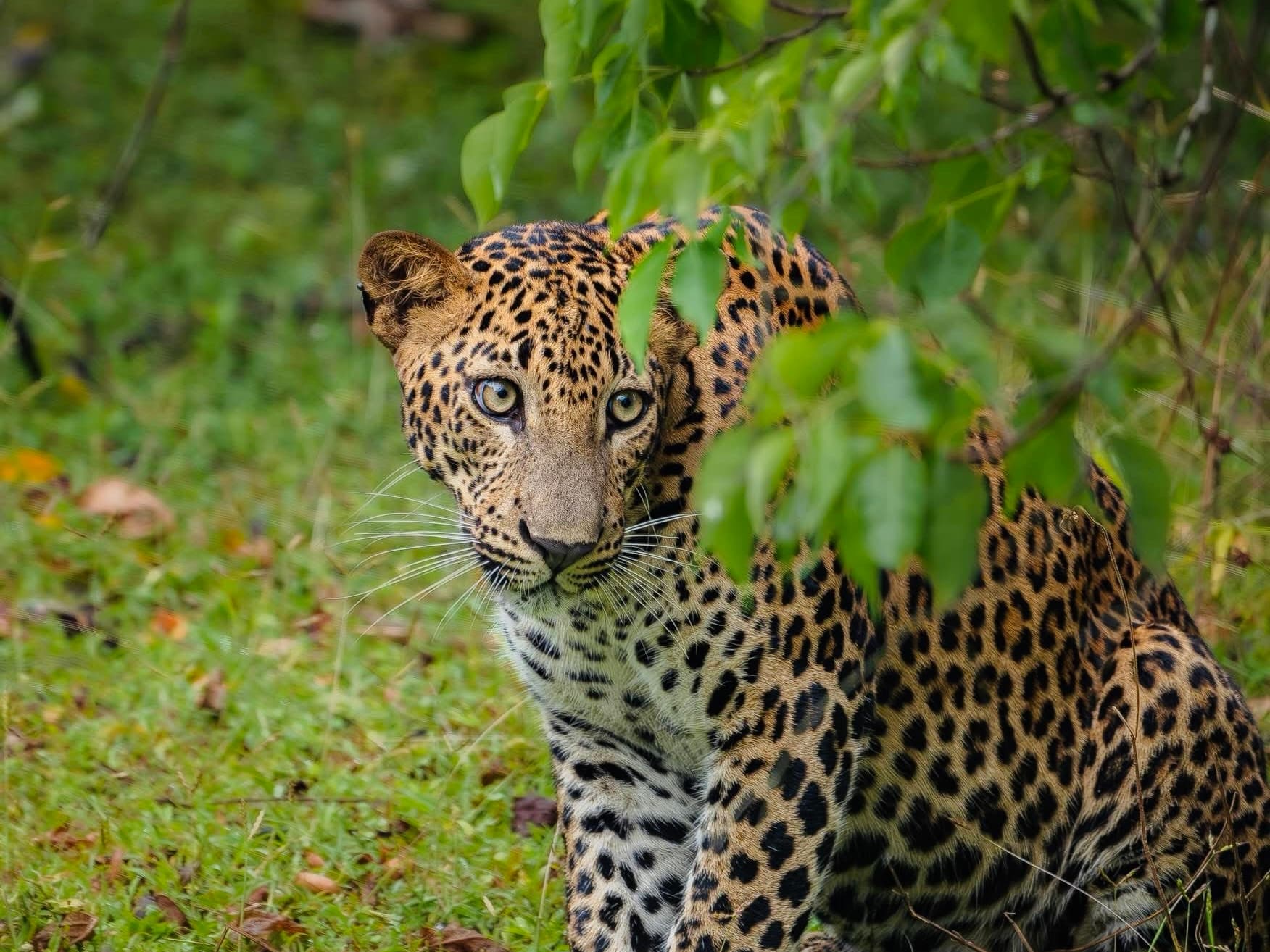
Lucas was not just another leopard. Wildlife photographers and enthusiasts who visited Yala regularly spoke about him with reverence — a magnificent male leopard in the Block I area whose striking appearance and frequent appearances made him arguably the most famous individual leopard in South Asia.
According to registered guides who photographed Lucas repeatedly over several seasons, his territory included some of the most photogenic granite rock outcrops in the park.
In early April 2026, the worst news came. Social media exploded with reports that Lucas may have been killed after being struck by a safari vehicle.
A major controversy erupted as authorities launched an immediate investigation into claims that the beloved leopard had been run over or possibly hit in a suspected safari jeep incident inside the park. Wildlife Conservation Department Director General Ranjana Marasinghe confirmed that the incident had been reported to him and instructed officials to conduct an immediate investigation. He also urged anyone with video footage or evidence from the day to come forward.
As part of the probe, the safari jeep believed to have been near the leopard at the time was temporarily suspended by the park warden pending further investigation.
The Yala Safari Jeep Owners' Association denied knowledge of any such incident, stating that they had not encountered any confirmed reports involving their members. The conflicting positions only intensified the debate.
Then came crucial clarifications. Ravindra Kumara, the warden of Yala National Park, told Mongabay that the incident was not an accident as reported. "Usually, when a safari jeep is close to an animal, jeep drivers have been advised to switch off the engine. But this driver had turned on the engine, and it had scared away the animal," Kumara explained. "However, Lucas was spotted the following night near Yala junction, the animal's usual territory, and is in good health."
But Lucas's close call exposed a much deeper problem. Even though he barely escaped injury this time, the larger issue of overcrowding and irresponsible safari driving remains a daily threat.
Crisis 3 — The Brutal Numbers Behind the Crowds
To understand why a jeep got close enough to Lucas to cause a national scandal, you need to look at the numbers.
Yala National Park in southern Sri Lanka attracted more than 380,000 visitors in the first half of 2025 alone, generating an income exceeding $5 million. In 2024, the park attracted an overwhelming 646,704 visitors, making it the most visited park in the country by an enormous margin.
Block I of Yala National Park attracts the most visitors, as it is known to have the highest density of leopards, with at least one leopard per square kilometer. This incredible density — unique on the planet — is the very reason you traveled here.
But this density has created a monster.
On peak days, reports indicate that as many as 900 jeeps may enter through a single access point, creating severe congestion along narrow dirt tracks. This constant pressure, as documented in recent wildlife studies, has begun to reshape animal behavior dramatically. Leopards and other key species are becoming more elusive, altering their natural movement patterns. Their feeding, hunting, and mating routines are increasingly disrupted by the unpredictable presence of safari convoys.
Crisis 4 — "Leopard Jams": The Ugly Reality of Crowded Safaris
In a well-managed park, spotting a predator is a magical experience — quiet, intimate, and almost sacred. In Yala's Block I, spotting a leopard often means joining a traffic jam.
Wildlife photographer Milinda Wattegedara, co-founder of the Yala Leopard Center, has watched the park's character warp over the years. "People came to Yala even during early 2000s, prior to the social media boom, but their genuine intention was to see animals and photograph them. At least 80% of them were genuine wildlife lovers. Back then, there were no highways, and coming to Yala was a full day trip," he told Mongabay.
Now, at present, as many as 500 jeeps are allowed entry into the park during morning and afternoon sessions. On peak days, social media-driven coordination has been known to push that number as high as 900 through the main gate.
Drivers frequently communicate sightings through mobile phones, triggering sudden rushes of vehicles that converge at high speed on single animals. This competitive behavior turns wildlife observation into a frantic race, increasing the likelihood of accidents for both animals and tourists.
Crisis 5 — When the Protectors Become the Predators
The incident with Lucas was not an isolated tragedy. Hit-and-run cases involving safari jeeps have been a recurring nightmare for Yala's wildlife.
* In October 2011, a young leopard was killed in a hit-and-run safari jeep accident — one of the earliest widely reported incidents that should have served as a warning.
* In June 2012, another jungle cat died in a hit-and-run incident.
* In September 2021, two safari jeeps carrying local and foreign visitors collided within the park, injuring a visitor.
Official speed limits of 20–30 kilometers per hour exist on paper, but enforcement remains exceptionally weak due to limited staffing and logistical constraints within park management. While some drivers have now become licensed through mandatory training programs introduced since January 2024, the core practice of reckless pursuit remains alarmingly common.
Crisis 6 — The Government's Fightback: Digital Tickets and Visitor Caps
The tourism and wildlife authorities have finally snapped into action with a set of sweeping reforms in 2026. The question everyone is asking: is it too little, too late?
Under the newly proposed changes, Yala would become the first park in Sri Lanka to operate under a capped daily visitor system, managed entirely through a digital platform. Speaking to reporters in Colombo, Sri Lanka Tourism Development Authority Chairman Buddhika Hewawasam acknowledged that overcrowding at Yala has reached critical levels. "The problem is something we all need to look at and consolidate because, in any wildlife park in Sri Lanka, you don't have a carrying capacity restriction. You take any number of people who come," Hewawasam stated.
The new system will include a unified digital ticketing platform with QR scanning facilities. This aims to enforce specific time slots and limits on the number of vehicles entering each hour. The concept is straightforward: "Every other park in the world works like that … you know exactly how many you can carry per day and how many you can carry per hour," Hewawasam noted.
Additionally, as an immediate measure in early 2026, the Department of Wildlife Conservation decided to limit the number of vehicles entering Yala to 300 per day. To enforce this, authorities are planning to open additional entry gates to redirect traffic away from the main checkpoint. Yala has three gates capable of operation, but staff shortages within the Wildlife Conservation Department have historically hindered their full utilization.
A Presidential Task Force is now coordinating efforts between the SLTDA, the Wildlife Conservation Department, the Forest Department and tourism authorities to resolve policy discrepancies and fast-track this digital intervention.
Crisis 7 — The Price of Paradise: Are We Killing What We Love?
This crisis forces every traveler to confront a deeply uncomfortable question: is our desire to see Yala's incredible wildlife actually destroying it?
Conservation experts warn that without stronger enforcement, these measures may not be enough to reverse the growing ecological pressure. The problem is artificially inflated by the fact that only a few blocks remain open to visitors, confining jeeps to a small area. Officials are now exploring plans to open additional park blocks to redistribute traffic away from heavily saturated zones.
Political and economic pressures continue to complicate meaningful reform. Attempts to introduce stricter controls, such as capping vehicle numbers, have often been diluted or delayed due to resistance from tourism-linked businesses. Some animals have gradually become accustomed to engine noise, but others now show clear signs of heightened physiological stress tied to loud noise and crowding.
The Ethical Traveler's Blueprint: How to Visit Yala Without Making It Worse
Do not cancel your Yala safari. But do not book a standard tour, either.
Here is exactly how to experience Yala responsibly in 2026.
Choose the Safari Operator That Prioritizes Ethics
Before handing over any money, interview your potential safari guide. Avoid operators who guarantee leopard sightings. Avoid those who cannot clearly state the rules for approaching animals. Look, instead, for operators who:
* Advertise their DWC licensing specifically and prominently
* Provide a written code of conduct for their drivers
* Have recent traveler reviews mentioning respectful distances and quiet engines
* Are willing to explore quieter zones like Block 5, Block 4, or even Lunugamvehera
Request An Evening Safari
When vehicles first enter the park at sunrise, hundreds can crowd the same narrow road. Some operators now offer "skip-the-line" tours that enter at off-peak times or use side routes to avoid the convoys — choose those.
Block 1 or Block 5? Know the Difference
Block 1 has the highest density of leopards and the highest density of jeeps. Block 5 offers fewer jeeps and more peace, though leopard sightings may be less frequent. If your dream is to see a leopard, Block 1 is still statistically your best choice. But if your dream is to sit in quiet wilderness and observe animals without fifty idling engines beside you, Block 5 is the ethical alternative.
Before You Go: Book Digital Entry
The new e-ticketing system will require advance reservations. Book your slot well before your arrival, especially during dry season (February to July). Check the official DWC portal or work with a licensed partner.
Frequently Asked Questions
Q: Is Yala National Park safe for tourists in 2026?
The shooting incidents and jeep collisions described above reflect systemic failures, but individual risk for tourists who choose licensed, ethical operators remains manageable. Those same operators have no reported incidents of guest injuries from gunfire. However, the park's protection systems are under obvious strain.
Q: What happened to the leopard Lucas?
Lucas was spotted alive the night after the jeep encounter. Park warden Ravindra Kumara confirmed he was in good health near his usual territory. The safari jeep involved was temporarily suspended pending investigation.
Q: How many jeeps enter Yala daily?
Reports indicate as many as 900 jeeps may enter through the main gate on peak days. In early 2026, the Department of Wildlife Conservation decided to limit entries to 300 vehicles per day as an emergency measure. Enforcement of this cap remains under review.
Q: Does the digital ticketing system work?
The unified digital platform and QR scanning facilities are currently finalizing integration across multiple government agencies. While basic online permit reservations have been possible since 2022 for some parks, the full daily cap system with hourly tracking is still being implemented.
Q: What is the best time to visit to avoid crowds?
Search trends indicate Yala's popularity peaks from February through June, when dry conditions concentrate wildlife. August and September are significantly quieter. The park usually closes for annual maintenance during September — always verify current schedules.
Q: Is there corruption at Yala?
Government officials themselves have acknowledged institutional failures, including staff shortages that block the opening of alternative gates. The Presidential Task Force was created to address deep policy discrepancies across the Wildlife Department, Forest Department and tourism authorities.
The Final Verdict: What Yala's Crisis Means for Your 2026 Safari
Yala National Park remains one of the world's greatest wildlife destinations. The density of leopards — that incredible statistic that draws you halfway across the world — remains intact. The elephants still gather at the waterholes. The painted storks still lift off the lagoons at sunset.
But the park is also a warning. The gunfire, the speeding jeeps, the near-death of a beloved leopard king — these are not accidents. They are the direct consequences of a tourism industry that prioritized profit over preservation for far too long.
Now, you have a choice. You can book the cheapest jeep on your booking platform, travel during peak hours, pressure your driver to get closer to the animals and contribute to the crisis. Or you can do your research, choose ethical operators, travel early, book your digital ticket in advance and become part of the solution.
Yala has given the world extraordinary gifts. The question now is whether we can prove ourselves worthy of them.
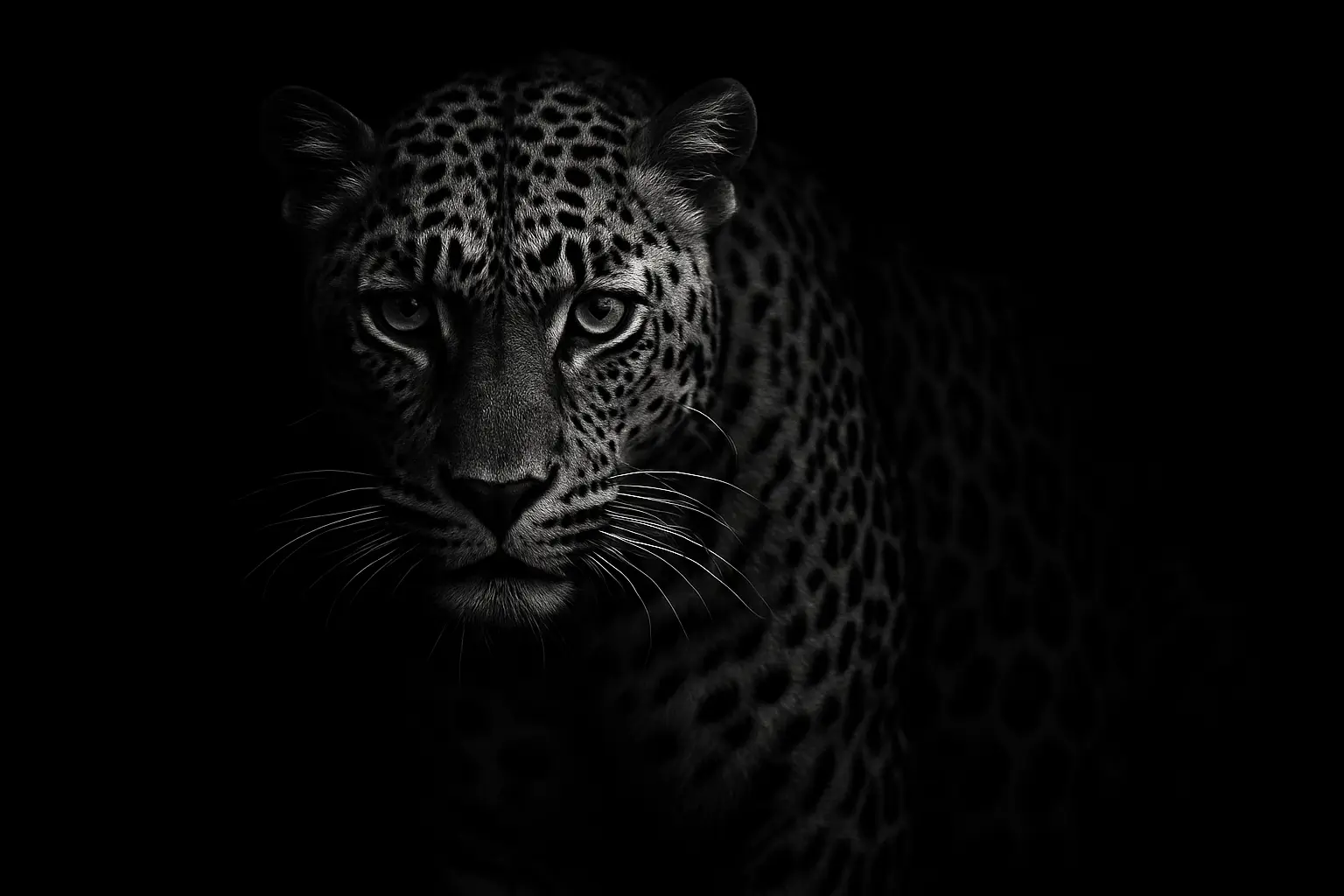
This special report was compiled from verified official reports, government announcements, wildlife conservation publications and park warden statements up to May 2026. Statistics and regulations are subject to ongoing implementation. The leopard icon used is for editorial purposes only.
Ready to see this in real life?
Book your Yala safari today and experience the magic firsthand.
Explore Packages