Yala's Big Three How to See a Leopard, Elephant AND Sloth Bear on One Safari (Complete 2026 Guide)
Yala National Park is the only place in Asia where you can see a leopard, an elephant AND a sloth bear in one morning. The complete 2026 guide to achieving all three best timing, exact tactics, species guides, costs, and the month that makes it almost guaranteed.
The Only Place in Asia Where This Is Possible
There is one sentence about Yala National Park that no other wildlife destination on Earth can match:
It is the only place in Asia where you can see a leopard, a sloth bear, and an elephant on the beach in one morning.
Read that again.
Not in a reserve. Not in a zoo. Not in a country in one morning, in one national park, from one open jeep on one network of tracks that converge at the edge of the Indian Ocean.
While Africa has its "Big Five," Yala offers a unique "Big Three": the Sri Lankan Leopard, the Asian Elephant, and the elusive Sloth Bear.
This guide is about how to actually achieve all three. Not just the leopard — every guide covers that. But the complete Big Three combination: the world's most visible wild leopard, the largest land animal in Asia, and one of the rarest bears on Earth — all on the same safari, in the same extraordinary landscape, in one day.
It is possible. It is achievable. It requires specific knowledge that most visitors never acquire before arriving at the gate.
This is that knowledge.
Understanding the Big Three: Why Yala Is the Only Place
Why the Leopard Here Is Different From Anywhere Else
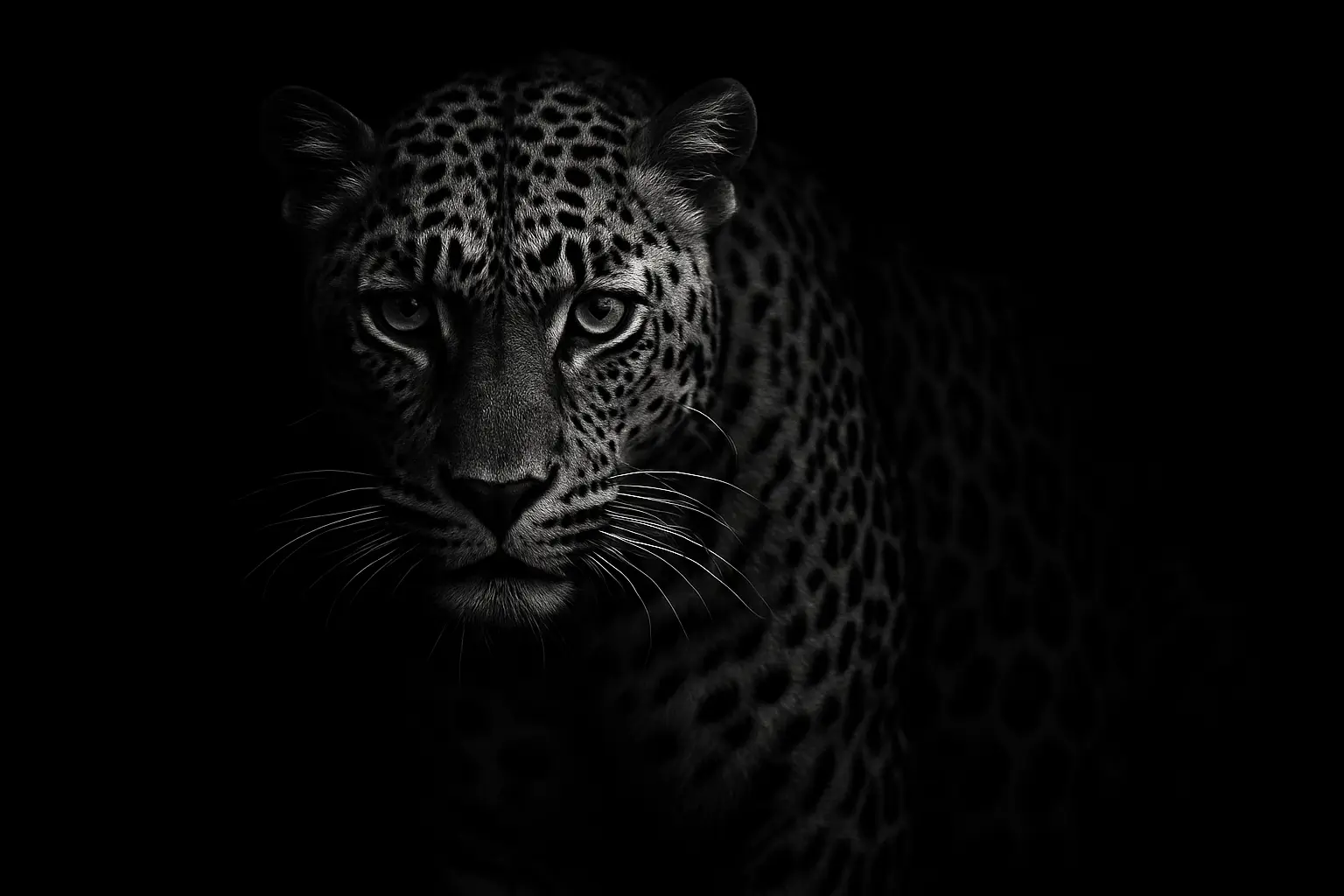
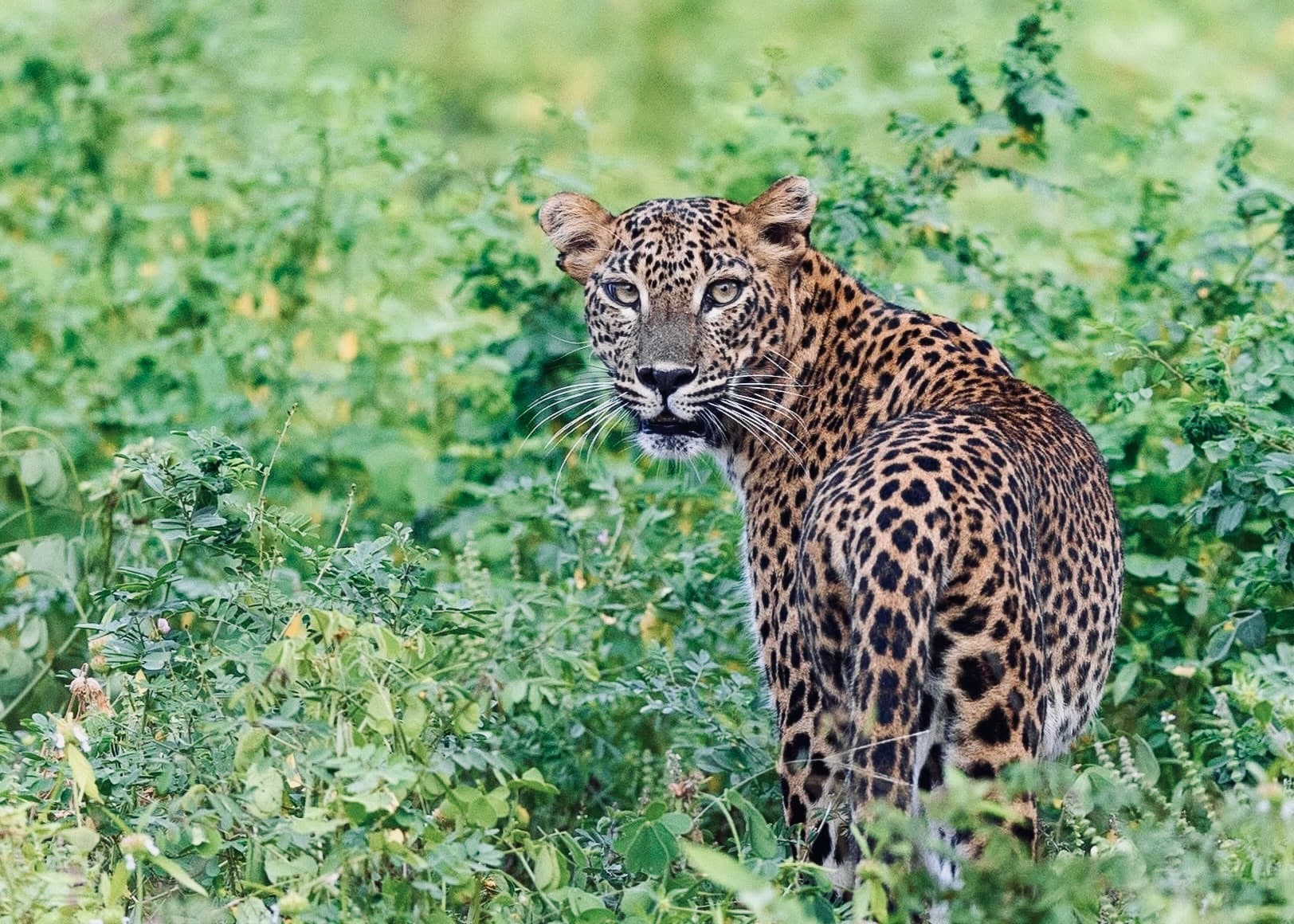
Yala National Park is a global phenomenon. The Sri Lankan leopard is the apex predator here. Without lions or tigers to fear, these cats are remarkably bold. They are often seen lounging on the park's massive granite outcrops during the day. This behaviour makes them much easier to photograph than their African cousins.
The Sri Lankan Leopard (Panthera pardus kotiya) is a distinct subspecies — larger than its Indian counterpart, daylight-active, and completely unafraid of jeep presence. In 2026, search interest in Yala has spiked by 45%, driven by its global reputation for high-density leopard sightings. The density — approximately one individual per square kilometre in Block 1's prime habitat — is the highest documented for any wild leopard population on Earth.
Why it matters for the Big Three: The leopard is the headline act. The one that requires the most skill to find, the most patience to observe, and the most specific timing to encounter in the finest conditions. Getting the leopard right sets the foundation for the complete Big Three experience.
Why the Elephant Here Is Different From a Zoo
Yala supports a population of wild Sri Lankan elephants, a subspecies of the Asian elephant. Herds may appear at waterholes in the dry season or walk along lakes at sunset, creating some of the park's most photographed scenes, especially during morning and afternoon game drives.
Sri Lanka's elephants are the largest subspecies of Asian elephant. Yala's resident population of 300–350 individuals includes family herds, lone bulls, and the magnificent tuskers — mature males with prominent ivory that represent less than 8% of the population. At a dry-season waterhole with a herd of twenty animals and two calves, the elephant encounter at Yala is not a glimpse. It is a twenty-minute wildlife immersion.
Why it matters for the Big Three: The elephant is the most reliably encountered of the three — near-certain on any dry-season drive. It is also the one most commonly underestimated by visitors focused on the leopard. The finest elephant encounters at Yala — family herds in golden-hour light at waterholes — are complete wildlife experiences in their own right.
Why the Sloth Bear Is the Rarest and Most Surprising
Classified as Vulnerable, sloth bears are a rare and treasured sight. Their presence in Yala is a testament to the park's diverse and thriving ecosystem.
The Sri Lankan Sloth Bear (Melursus ursinus inornatus) is one of the most unexpected wildlife encounters anywhere in Asia. They are rare and elusive. Best Season: May to July during the "Palu" fruit season when they come out to feed. Outside this window, sloth bears are primarily nocturnal and encounters require significant patience and luck.
During the Palu season, everything changes. The bears climb ironwood trees in full daylight — shaggy, purposeful, using their curved claws with surprising agility — and remain visible for extended periods. Sloth Bear sightings peak in May–July when they come out to eat the fermented Palu fruit.
Why it matters for the Big Three: The sloth bear is the wild card. It is the animal that produces the most surprise, the most delight, and — for many visitors — the most vivid memory of the entire trip. Achieving the Big Three means having the sloth bear in the frame, and that requires knowing exactly when to visit.
The Big Three Probability Chart: Know Your Numbers Before You Go
Animal Jan–Mar Apr May–Jul Aug Sep–Oct Nov–Dec
Leopard 60–90% 80–90% 75–90% 70% CLOSED 40–60%
Elephant High High Very High High CLOSED Moderate
Sloth Bear 15–20% 30–40% 60–75% 50–60% CLOSED 10–15%
All Three in One Drive 10–15% 25–35% 45–65% 35–45% CLOSED 5–10%
The critical insight from this table: The probability of achieving all three animals in a single drive jumps dramatically in May through July. This is the Palu season effect — the sloth bear multiplier that transforms a good safari into the definitive Big Three experience.
The "Secret Month" is May — it offers high leopard activity and fewer crowds than the February peak. Combined with the beginning of Palu season, May delivers: excellent leopard probability + rising sloth bear visibility + lower jeep numbers than peak season. The Big Three window.
Part 1: The Leopard — How to Find It
The Exact Timing That Doubles Your Probability
As Sri Lanka's most iconic wildlife destination, Yala remains the global capital for leopard sightings, boasting the highest leopard density in the world. To get the best experience and the highest chance of a sighting, follow this expert-backed guide for 2026.
The single most important leopard-finding tactic is gate timing. Being among the first 10–15 vehicles through the Palatupana Gate at 6:00 AM gives you 45 minutes of quiet, undisturbed park before the main crowd builds. During these 45 minutes, leopards are at their most active, alarm calls are most audible, and there are no competing vehicles for the tracking space.
The gate arrival time: 5:15 AM — not 6:00 AM, not 6:05 AM. 5:15 AM. This requires a 4:30 AM jeep pickup from your Tissamaharama accommodation.
The Three Tracking Methods That Work
Method 1 — The Alarm Call System
The sambar deer's single-note bark repeating every 10–15 seconds means a predator is nearby. The peacock's urgent scream (distinct from its territorial call) means something large is in the ground vegetation. The grey langur's cascading warning from the canopy means something is on the forest floor below.
An experienced guide who hears three alarm calls from the same direction in the same 60-second window will change course without explanation. Trust this. Do not ask "are we going to see something?" Ask "which alarm call was that?" The guide who answers correctly is working at a high level.
Method 2 — The Pugmark Read
Fresh leopard pugmarks in the red laterite — pressed into the soft earth of a track crossing in the pre-dawn moisture that will be baked away by 8:00 AM — tell a specific story. Direction of travel, time of crossing (based on moisture retention), estimated size of the animal. A guide who reads pugmarks and makes positioning decisions based on them is tracking rather than waiting.
Method 3 — Territory Knowledge
The Sri Lankan leopard is the apex predator here, and the park's leopard population is one of the most intensively studied in the world. Individual leopards have known territories, known resting sites, known waterhole preferences, and documented movement patterns across seasons. A guide who knows which female uses which inselberg, whose territory crosses which track at which time of year, is working from accumulated intelligence rather than luck.
The Block 1 vs Block 5 Leopard Decision
Most visitors crowd into Block 1 (Palatupana Gate) because it has the highest concentration of leopards. If you want a quieter, more exclusive experience in 2026, head to Block 5 (Galge Entrance). Block 5 offers a rising 70% chance of leopard sightings recently.
For the Big Three mission: Block 1 at dawn (maximum probability, first jeeps in, golden-hour light) + Block 5 from mid-morning (quieter encounters, better elephant and sloth bear conditions). This combination is the optimal full-day structure.
Part 2: The Elephant — How to Experience It Properly
Stop Treating the Elephant as Background
This is the most common mistake visitors make when leopard-focused. The elephant herd appears at the waterhole, photographs are taken, and the jeep moves on. The full waterhole elephant encounter — if you give it twenty minutes rather than three — produces a completely different wildlife experience.
Herds may appear at waterholes in the dry season or walk along lakes at sunset, creating some of the park's most photographed scenes, especially during morning and afternoon game drives.
Twenty minutes at a waterhole with twenty elephants reveals: calves learning to drink (a surprisingly difficult motor skill that takes weeks to master), matriarchs managing herd movement, bulls assessing social position, adolescents testing boundaries with the adults. This is active, dynamic, behavioural wildlife observation — not a static photograph opportunity.
The Best Elephant Locations by Time of Day
6:00–7:30 AM (Early morning): Elephants moving from overnight feeding areas toward waterholes. Family herds in single file through the scrub, backlit by the rising sun. The finest photography window.
7:30–9:30 AM (Waterhole hours): Peak waterhole activity. Herds of 15–30 animals at the remaining dry-season water. Calves bathing. Bulls drinking. Painted storks working the shallows alongside them.
4:00–6:00 PM (Afternoon golden hour): Second movement toward evening water. The Block 5 / Weheragala Reservoir at this time — sometimes 30–60 animals at the water's edge in amber light — is one of the finest wildlife spectacles on the island.
The Tusker Sighting: The Elephant Sub-Quest
Tusker elephants — mature males with prominent ivory — represent less than 8% of Sri Lanka's total elephant population. A confirmed tusker sighting in Yala is considered a significant encounter by experienced guides. Block 5's forest habitat and reduced vehicle pressure provides the environment that dominant bulls specifically seek. If the tusker is a specific goal, request Block 5 access and specifically ask your guide to target areas where bull elephants have been recently sighted.
Part 3: The Sloth Bear — The Hardest of the Three and the Most Rewarding
The Palu Season: The Essential Knowledge
The Sloth Bear is a shaggy, insect-eating bear unique to the Indian subcontinent. Best Season: May to July during the "Palu" fruit season when they come out to feed.
The Palu tree (Manilkara hexandra) is an ironwood species that fruits between approximately May and August, with peak fruiting in June and July. The fruit is small, sweet, and specifically beloved by sloth bears. During fruiting season, bears that spend most of the year moving through dense forest in near-total nocturnality begin climbing Palu trees in full daylight — sometimes remaining in a single tree for hours at a time.
The Sri Lankan Sloth Bear is a sub-species that is endemic to the Island. The specific combination of fruiting timing and bear behaviour produces the most accessible wild sloth bear observation available anywhere in Asia. Outside this window, a Palu-tree sloth bear sighting is essentially impossible. During it, a determined morning drive specifically targeting known Palu grove locations can produce sightings of 60–75% probability.
How to Find a Sloth Bear: The Specific Tactics
Tactic 1 — Target the Palu Groves
Yala's Palu trees are not uniformly distributed. They concentrate in specific forest-edge and woodland habitats within Block 1, and an experienced guide knows which groves are currently fruiting and which have had recent bear activity. Before entering the gate, ask your guide: "Which Palu groves are currently active? Have bears been seen there in the past 48 hours?" A guide who answers with specific locations is one who has been in the park recently and is tracking the seasonal patterns.
Tactic 2 — Listen for the Bear
A sloth bear feeding in a Palu tree makes an unmistakable sound — a rhythmic hoovering and snuffling as it uses its specialised mobile lips to suck insects and fruit. This sound carries remarkably far in the dry-zone quiet. Sloth bears develop an adapted lower lip used for sucking up insects, making a loud hoovering sound as they feed. At a quiet moment with the engine off near a Palu grove, this sound — distinctive and unlike anything else in the park — is often the first confirmation of a bear's presence.
Tactic 3 — Watch the Tree Canopy, Not the Ground
First-time Yala visitors scan the ground for movement. Experienced bear-finders look up. A sloth bear in a Palu tree is sometimes visible as movement in the upper canopy — branches swaying with a different rhythm from wind, or the bear's dark shaggy outline visible against the sky through gaps in the foliage. The driver who cuts the engine near a Palu grove and asks everyone to look up is demonstrating the correct search methodology.
Tactic 4 — The Termite Mound Alternative
Outside Palu season, the best sloth bear search tactic is termite mound observation. Sloth bears excavate underground termite colonies with powerful curved claws, feeding on the insects with the same specialised sucking mechanism used for fruit. The distinctive sound of a bear working a termite mound — and the overturned earth visible from the jeep — are the primary non-Palu-season sighting indicators. Ask your guide which areas of Block 1 have active termite mounds and known bear activity.
The Big Three Combination: The Month That Makes It Possible
May offers high leopard activity and fewer crowds than the February peak.
May and June are the months where all three elements of the Big Three alignment simultaneously:
Leopard: Fully dry season, waterholes concentrated, leopard visibility 75–90% per drive. Not peak February probability but genuinely excellent and approaching it.
Elephant: Herds gathering at remaining waterholes in large numbers. Calves from earlier in the year are now old enough to be visible and active. Tusk activity increasing as bulls move between territories.
Sloth Bear: Palu season just beginning (May) or fully active (June). Bears visible in trees in daylight. Known Palu grove locations productive. 60–75% probability per dedicated morning drive targeting bear habitat.
Crowd Level: Dramatically lower than February–March peak. Block 5 offers a quieter, more exclusive experience in 2026 — sharing sightings with 5 jeeps instead of 50. Block 1 vehicle counts in May run approximately 40–80 per day rather than 300–400. The encounters that happen are longer, quieter, and more behaviourally rich.
The May Big Three Day:
6:00 AM — Block 1 entry. Golden-hour leopard tracking in the eastern circuits near the Palu grove concentration.
6:45 AM — Leopard on the granite inselberg above the track. Three jeeps. Fifteen minutes. She descends, drinks at the small waterhole below, and disappears into the scrub.
7:30 AM — Waterhole. Twenty-two elephants. Two calves. Engine off for eighteen minutes.
8:30 AM — Palu grove. The guide hears the sound before you do. Bears in the canopy above. Two animals — possibly a female with a sub-adult. They feed for twenty-five minutes. They are completely indifferent to your presence.
10:00 AM — Exit gate. Three animals. One morning.
This is not a fantasy itinerary. It is the documented experience of May Yala visitors in 2026 who knew what they were looking for and planned specifically to find it.
The Big Three: Practical Booking Guide
When to Visit for the Best Big Three Odds
Best months for all three: May, June, July
Best months for leopard + elephant (no bear guarantee): February, March, April
Avoid for Big Three: September (park closed), October (post-closure, thicker vegetation reduces sightings)
How Many Drives Does the Big Three Require?
Based on probability data:
Two drives (one overnight stay): Combined probability of seeing all three is approximately 35–55% in May–June. You will almost certainly see two of the three. The elephant and leopard are near-certain across two drives. The sloth bear is the variable.
Four drives (two nights): Combined probability across four drives in May–June rises to approximately 70–80% for all three. Two nights gives your guide multiple opportunities to target the Palu groves at different times and track the bears' current tree preferences.
Six drives (three nights): Near-certain across the Big Three in May–June. The sloth bear, given six morning drives during Palu season with a guide who knows the grove locations, is encountered on the majority of stays.
The recommendation: two nights minimum for a genuine Big Three attempt. One night is sufficient for a complete safari experience with high probability of two of the three. Two nights is where the complete Big Three becomes achievable for most visitors.
The Cost of the Big Three Safari
Duration Option Cost Per Person (2026)
1 night, 2 drives Shared jeep + budget guesthouse USD 130–185
1 night, 2 drives Private jeep + mid-range lodge USD 280–380
2 nights, 4 drives Private jeep + budget guesthouse USD 280–370
2 nights, 4 drives Private jeep + mid-range lodge USD 450–650
2 nights, 4 drives All-inclusive luxury (Wild Coast/Chena Huts) USD 1,400–2,400
Government park entry fee (included in all above): Approximately USD 35–42 per person per drive — always confirm this is included in the all-inclusive total before booking.
The Big Three Mindset: What Changes When You're Hunting All Three
Most Yala visitors arrive leopard-focused. They have seen the videos, read the guides, and built their entire expectation around the big cat encounter. The leopard is extraordinary — but the Big Three mindset is different from the leopard-only mindset, and the difference changes everything about the drive.
A Big Three visitor notices the Palu tree before the leopard. They hear the sloth bear's hoovering sound at 8:00 AM and say "that's it" before the driver confirms it. They spend the full twenty minutes at the waterhole elephant encounter rather than rushing past it. They understand that the three animals occupy different niches in the same ecosystem, that they become most visible at different times of the same morning, and that a driver who covers the full ecological range of the park — rather than fixating on the single highest-probability sighting — gives them the complete experience.
Yala National Park is a remarkable testament to Sri Lanka's incredible natural beauty and biodiversity. The "Big Five" animals — the Wild Water Buffalo, Crocodile, Asian Elephant, Leopard and Sloth Bear — are the park's charismatic ambassadors. Each of these species represents a unique facet of Yala's ecological importance. Encountering them in their natural habitat is a privilege that fosters a deep connection with nature.
The Big Three is not a checklist. It is an understanding of what Yala actually is — the only ecosystem in Asia where these three remarkable animals coexist in a landscape small enough to encounter all three in a single morning.
Go in May. Stay two nights. Brief your driver on the Palu groves. Arrive at the gate at 5:15 AM.
The Big Three is waiting.
The Quick-Reference Big Three Checklist
Before Booking:
* Choose May, June, or July for best all-three probability
* Book two nights minimum (four drives)
* Find a guide with named sloth bear sighting reviews on TripAdvisor
* Ask guide: "Which Palu groves are currently active?"
* Confirm Block 5 access for afternoon drives
Morning of Safari:
* Gate arrival: 5:15 AM (not 6:00 AM)
* Brief driver: "We want all three — leopard, elephant, AND sloth bear"
* Ask driver to specifically target Palu grove areas in the first 3 hours
* At any waterhole: request 15–20 minutes minimum
During the Drive:
* Listen for the sloth bear's hoovering sound near Palu trees
* At Palu groves: look UP at the canopy, not at the ground
* At waterholes: watch behaviour, not just photograph
* At leopard sightings: let the experience register before the camera
The Sighting Rule of Three:
* Leopard: Be at gate by 5:15 AM, trust the guide's tracking
* Elephant: Give it time at the waterhole, twenty minutes minimum
* Sloth Bear: Visit in May–July, target Palu groves, listen before looking
Frequently Asked: Big Three Questions
Q: Can I see all three in one morning? Yes — and it happens regularly during May–July. The combination of peak leopard activity, abundant elephant waterhole use, and Palu season sloth bear visibility makes all three possible in a single 4-hour morning drive. It is not guaranteed, but it is genuinely achievable with the right timing and guide.
Q: What if I miss the sloth bear? The sloth bear is the hardest of the three and the one most dependent on Palu season timing. If you miss it on one drive, a second drive specifically targeting known Palu grove locations gives another opportunity. Most two-night visitors who visit in May–July encounter the sloth bear on at least one of their four drives.
Q: Is the sloth bear dangerous? Wild sloth bears should always be observed from the jeep at a respectful distance. They can be unpredictable if startled at close range. Your driver will maintain appropriate distance. In the Palu tree context — where the bear is elevated and focused on feeding — they are generally relaxed in the presence of stationary jeeps.
Q: Can I see the Big Three outside May–July? Yes for leopard and elephant (year-round in dry season). The sloth bear is possible but significantly less probable outside Palu season. For the complete Big Three with the highest probability of all three, May–July is the definitive window.
Q: Which is harder to see — the leopard or the sloth bear? In peak dry season without Palu fruit: the sloth bear is harder. During Palu season (May–August) with a guide who knows the active groves: the sloth bear can actually be more reliably found than the leopard on some drives. The Palu season reverses the normal difficulty hierarchy.
Last updated: May 2026 | Wildlife probability data, seasonal information, and tactical guidance verified against current 2026 conditions and operator reports from Yala National Park, Sri Lanka.
Ready to see this in real life?
Book your Yala safari today and experience the magic firsthand.
Explore Packages