
Yala National Park in 2026 The Insider Guide Foreigners Are Actually Using (Best Time, Hidden Zones & Beyond the Safari)
The real insider guide to Yala National Park in 2026 — best months to visit, secret Block 5, sloth bears, ancient temples, Yala vs Wilpattu comparison, luxury stays, and what no one tells you before you go.
Target Keywords: best time to visit Yala National Park 2026 | Yala National Park things to do | Yala Block 5 | Yala sloth bear | Yala National Park temples | Yala or Wilpattu which is better | Yala travel guide foreigners | Sri Lanka safari 2026
What Foreigners Are Really Searching About Yala in 2026
In 2026, travelers are no longer just asking "where is Yala National Park?" — they've already found the answer. What the world's wildlife travelers are now searching is far more specific:
"Is there more to Yala than leopards?"
"What is Block 5 in Yala?"
"Can I see sloth bears in Yala?"
"What temples are near Yala National Park?"
"Yala or Wilpattu — which should I pick?"
"Can I combine Yala with Ella and Mirissa?"
This guide is the answer to all of them. Consider it your insider briefing from someone who has studied every corner of Sri Lanka's crown jewel wilderness — written for the traveler who wants more than a tourist brochure.
Beyond the Leopard: The Full Wildlife Picture at Yala
Most travel content about Yala obsesses over one animal. Understandably — the Sri Lankan Leopard (Panthera pardus kotiya) is a flagship species found nowhere else on Earth at such density. But reducing Yala to a "leopard safari" massively undersells it.
Yala National Park spans nearly 1,000 square kilometres of extraordinary ecological diversity — dense scrub jungle, open grasslands, freshwater lagoons, ancient monastic ruins, and a wild coastline where the jungle meets the Indian Ocean. This mosaic of habitats makes it one of the most biodiverse protected areas in all of South Asia.
The Wildlife You Can Actually See
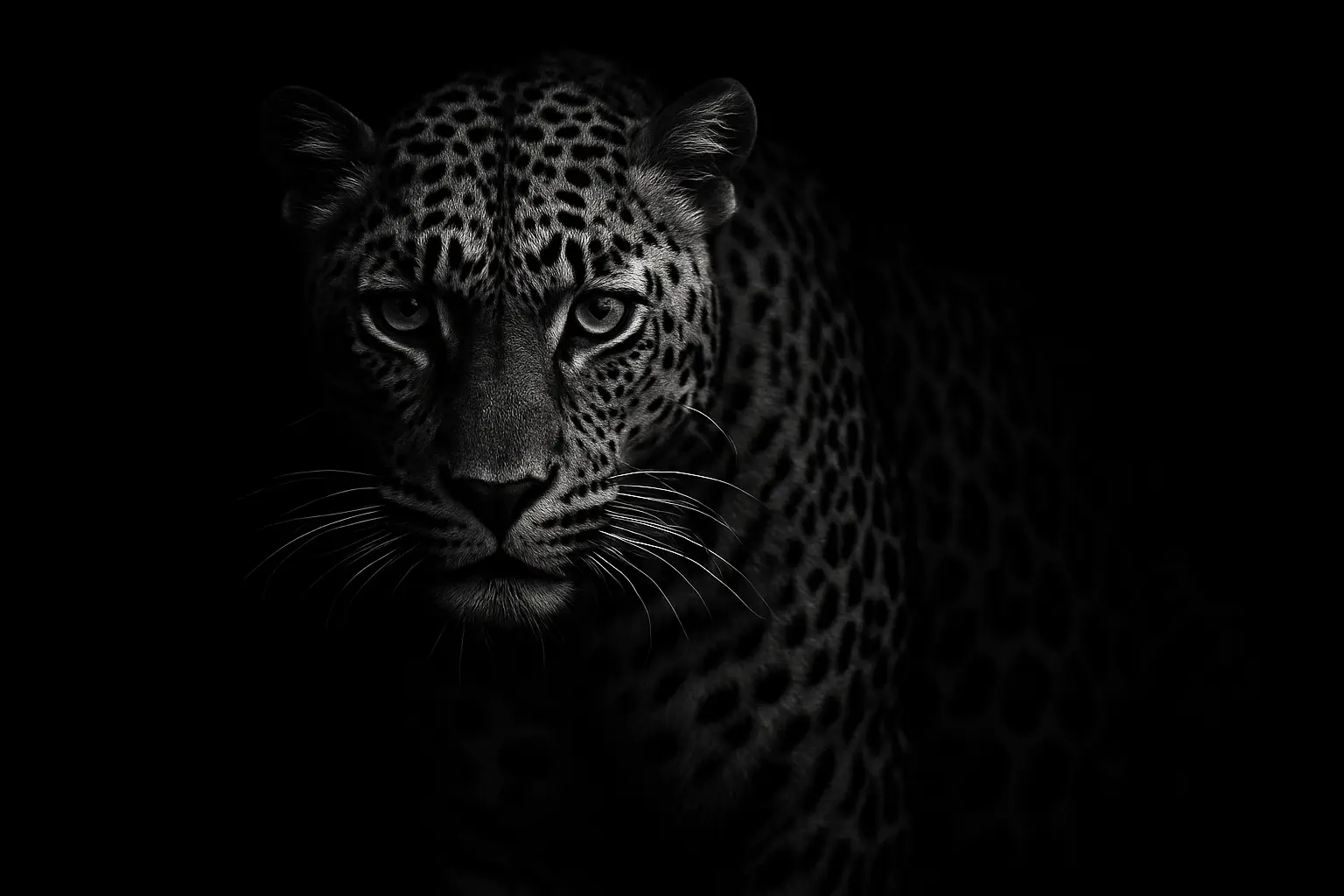
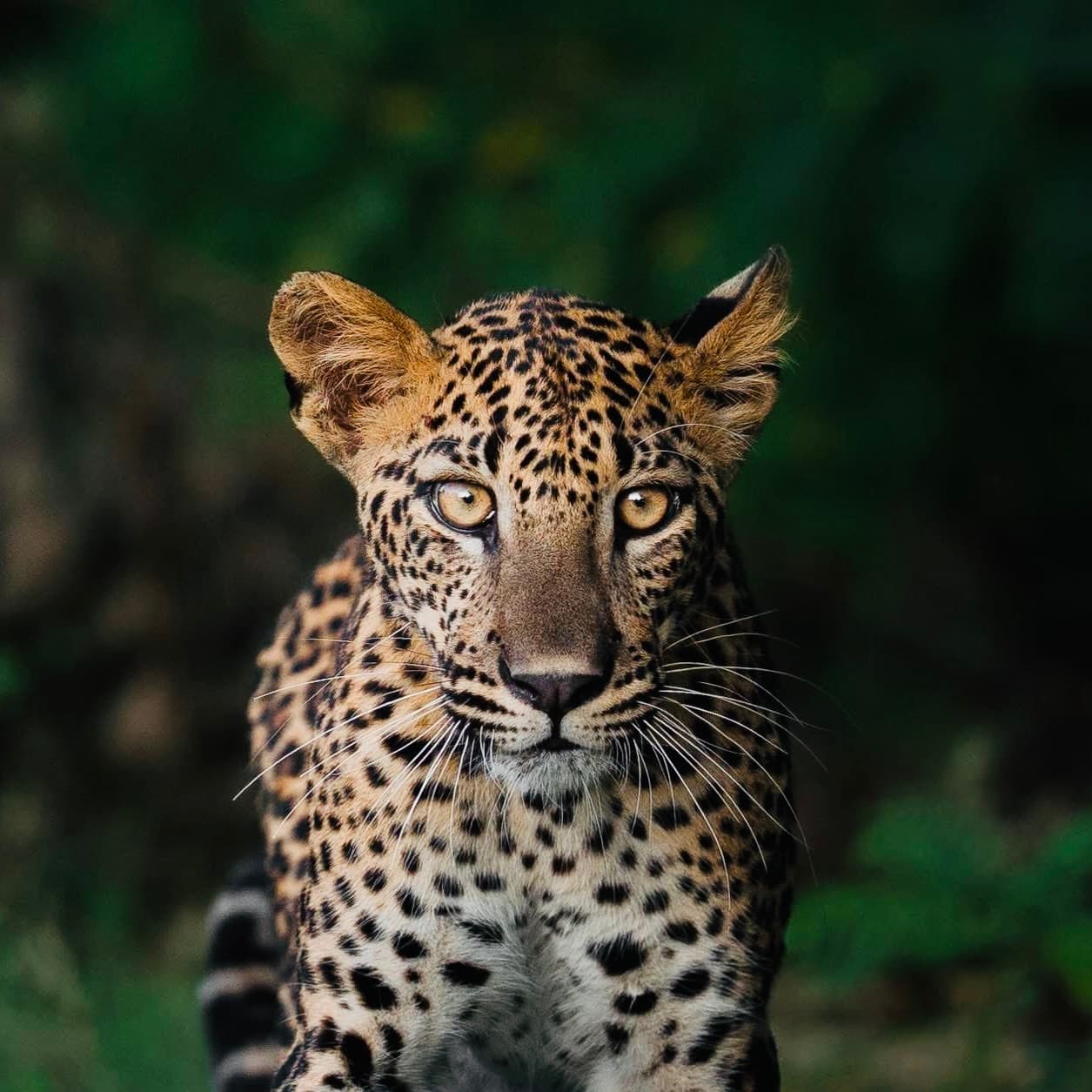
Sri Lankan Leopard — The undeniable star. Block 1 holds one of the highest densities of this subspecies on Earth. Sightings are most reliable from February to June.
Asian Elephant — Yala's elephant population numbers approximately 250–300 individuals roaming across all blocks in family herds. Elephant sightings are frequent in Blocks 1, 4, and 5. Unlike the leopard, elephants are visible year-round.
Sloth Bear — Perhaps the most underrated wildlife encounter in all of Sri Lanka. These shaggy, amusingly awkward mammals emerge in spectacular numbers during Palu fruit season (May to August), climbing ironwood trees with surprising agility to feed on yellow berries. Witnessing a sloth bear foraging is an experience most safari visitors never forget — and one that no African national park can offer.
Mugger Crocodile — Yala's lagoons and waterways support a healthy population of this prehistoric predator. Waterhole stops frequently deliver close-range crocodile sightings in the dry season.
Spotted Deer (Axis Deer) — Present in enormous numbers throughout the park. They are the most important prey species for the leopard, and their alarm calls serve as your best early-warning signal that a big cat is nearby.
Sambar Deer — Larger and more elusive than spotted deer. Their distinctive bark is the single most reliable alarm call indicating a leopard in the immediate vicinity. Experienced drivers know this sound intimately.
Wild Water Buffalo — Yala's wetland edges support one of the last wild populations of water buffalo in Sri Lanka — a genuinely impressive animal at close range.
Peacock — Sri Lanka's national bird thrives in Yala. Their spectacular displays are a daily sight, and their wailing call provides the permanent soundtrack of the dry-zone jungle.
Over 215 Bird Species — From painted storks and purple herons stalking the lagoons to crested serpent eagles circling above the forest canopy, Yala is a world-class birding destination. The November-to-February monsoon period brings vast numbers of migratory species from Europe, Central Asia, and the Himalayas — including rare flamingos and greater spotted eagles.
The Secret Yala Nobody Tells You About: Block 5 (Weheragala/Galge)
Every online guide sends every visitor to Block 1. And for good reason — it has the highest leopard density. But in 2026, Block 1 has also become synonymous with "jeep traffic jams," where 30–50 vehicles converge on a single leopard within minutes of a radio alert.
Block 5 is the antidote.
Located in Yala's northwestern reaches, Block 5 — locally known as Weheragala or Galge — offers a dramatically different experience. Tall, ancient forest canopy replaces the open scrub of Block 1. River crossings add adventure to the drive. Elephant encounters are frequent, peaceful, and uncrowded. On any given morning, you may share a leopard sighting with just 3–5 other jeeps.
In 2026, Block 5 is rising rapidly in traveler searches as visitors increasingly seek ethical, sustainable wildlife encounters over spectator-sport safari dynamics. If your guide doesn't mention Block 5, ask for it specifically.
Pro Tip: The most rewarding safaris in 2026 combine an early Block 1 drive (arriving at gate by 5:15 AM to beat the crowds) followed by a late afternoon Block 5 session — experiencing both the intensity of Yala's leopard heartland and the solitude of its hidden forest interior in a single full-day safari.
The Cultural Layer: Ancient Temples Hidden Inside the Wilderness
This is the aspect of Yala that surprises foreign visitors most — and the one that most travel guides completely ignore.
Yala National Park sits on land of extraordinary historical depth. The region corresponds to the ancient Ruhuna Kingdom, one of the great kingdoms of pre-colonial Sri Lanka. Across the park, ancient Buddhist monasteries, stupa ruins, and inscribed rock faces emerge from the jungle, often discovered mid-safari in moments of pure serendipity.
Sithulpawwa Rock Temple
Perched dramatically on a granite outcrop inside Yala National Park, Sithulpawwa is an ancient Buddhist monastery dating back more than 2,000 years. At its peak, it is believed to have housed over 12,000 monks. Today, it remains an active place of pilgrimage — accessible via a short climb from the jeep track — and offers panoramic views across the park's wilderness. Spotting a leopard on the drive in and a Buddhist shrine on the rock above is a uniquely Sri Lankan experience.
Kataragama Sacred City
Located just outside Yala's eastern boundary, Kataragama is one of the most sacred multi-religious sites in Sri Lanka, revered simultaneously by Buddhist, Hindu, and indigenous Vedda communities. Evening ceremonies here — featuring fire-walking, ritual drumming, and devout pilgrims from across the island — are among the most atmospheric and spiritually charged experiences in all of South Asia. Most Yala itineraries miss it entirely. Don't be most itineraries.
Tissamaharama Raja Maha Vihara
In the town serving as Yala's gateway, this ancient temple complex features a spectacular white stupa (dagoba) believed to date to the 3rd century BCE. It is a living, functioning temple — not a museum — and visiting during evening prayers, when lotus offerings fill the air with colour and monks chant in the warm light, provides a powerful counterpoint to the wildness of the safari.
The Great Debate: Yala or Wilpattu in 2026?
This head-to-head comparison is one of the most Googled Sri Lanka wildlife questions of 2026 — and for good reason. Both parks offer leopards. Both offer elephants. But the experience is completely different.
Yala National Park
Best for: The Big Three (Leopard, Sloth Bear, Elephant) in one place. The highest leopard-sighting probability on Earth. Coastal wilderness where jungle meets the Indian Ocean. Cultural depth (Sithulpawwa, Kataragama). Combining with the south coast (Mirissa, Galle, Tangalle).
The trade-off: Crowds. In peak season, Block 1 can feel more like a wildlife traffic jam than a wilderness encounter. Managing this requires strategy — early starts, Block 5 visits, shoulder-season timing.
Wilpattu National Park
Best for: Complete solitude. Sri Lanka's largest national park — 1,300 square kilometres — with the unique "villu" landscape: natural sand-rimmed lakes scattered through ancient dry forest. Leopards are frequently spotted here with zero competition from other jeeps. Elephant herds up to 100 individuals gather at villus. Access from Colombo (approximately 5 hours north) makes it ideal for visitors covering the Cultural Triangle.
The trade-off: Lower guaranteed encounter rates than Yala for leopards, longer driving time from popular tourist bases.
The verdict: If you can only choose one and the leopard is your priority, choose Yala. If you want the most deeply atmospheric, undisturbed wildlife experience in Sri Lanka, choose Wilpattu. If you have the time — do both.
The Perfect Sri Lanka Itinerary: Combining Yala With Everything
Search data shows that in 2026, most foreigners are combining Yala with a broader southern Sri Lanka circuit. Here are the most popular and most-searched combinations:
The Classic South Circuit (8–10 days)
Colombo → Galle → Mirissa (whales/beaches) → Tangalle → Tissamaharama (Yala) → Ella → Kandy → Colombo
This loop covers the south coast beaches, whale watching in the Indian Ocean (November–April), a Yala safari, and the spectacular train journey through the hill country. It is the single most popular foreign itinerary for Sri Lanka in 2026.
The Wildlife & Culture Circuit (12–14 days)
Colombo → Sigiriya (Cultural Triangle) → Dambulla → Kandy → Nuwara Eliya → Ella → Yala → Mirissa → Galle → Colombo
This longer route adds Sigiriya Rock Fortress, the Dambulla Cave Temples, and the sacred Temple of the Tooth in Kandy to the wildlife core.
The Wildlife Double (10–12 days)
Colombo → Wilpattu (2 nights) → Cultural Triangle → Kandy → Ella → Yala (2 nights) → South Coast
For the serious wildlife traveler: two nights at Wilpattu for solitary leopard and elephant encounters, then two nights at Yala for the full Big Three experience.
Where to Stay Near Yala: From Budget to Luxury
Accommodation at Yala ranges from backpacker eco-camps in the buffer zone to some of the most architecturally spectacular tented lodges in Asia.
Luxury: Wild Coast Tented Lodge is widely regarded as the most architecturally distinctive lodge in Sri Lanka, featuring cocoon-shaped tents designed to merge with the jungle landscape. Hilton Yala Resort offers the comfort of an international hotel chain at the park's doorstep. Both command premium pricing that reflects the experience delivered.
Mid-Range: Cinnamon Wild Yala is a popular choice, where elephants occasionally wander through the open-plan resort grounds at night — an unforgettable experience that needs no additional commentary.
Budget / Eco: Multiple small camps and guesthouses in Tissamaharama and the Yala buffer zone offer comfortable, clean accommodation at a fraction of luxury prices. For budget travelers, Tissamaharama town provides good food, affordable rooms, and easy 20-km access to the park.
Practical Safari Ethics: What Responsible Travelers Are Now Searching
In 2026, the most progressive wave of foreign travelers to Yala is searching not just for the best sighting — but for the most ethical one. This shift is reshaping how guides and operators approach the park.
Respect the 30-metre rule. Park regulations require jeeps to maintain a minimum distance from wildlife. Pressure your driver to maintain this distance even when other vehicles are closer. The photograph is secondary to the animal's welfare.
Do not encourage speed. "Flock behavior" — where drivers race to a sighting — is the primary cause of track damage and wildlife disturbance. A good driver prioritises patience over position.
Choose certified operators. As of 2024, the park requires DWC-certified drivers. Verify your operator's certification before booking.
Go plastic-free. Yala National Park maintains a strict plastic-free zone policy. Bring a reusable bottle and refuse single-use plastics at every stage of the safari.
Accept uncertainty. The most meaningful wildlife encounters are unplanned. A sloth bear spotted by chance on a quiet track will stay with you for life in a way that a jeep-jam leopard photo never will.
Quick-Reference FAQ: What Foreigners Search Most About Yala
What is Yala National Park famous for?
Yala holds the highest density of leopards in the world, making it the planet's premier destination for Sri Lankan Leopard sightings. It also offers the rare combination of elephants, sloth bears, and a wild coastline in a single park.
When does Yala National Park close?
Yala typically closes for an annual conservation period in September and the first half of October. Always verify current dates with official sources before booking.
How far is Yala from Colombo?
Approximately 260–280 km via the Southern Expressway — a 4 to 5-hour drive under normal traffic conditions.
How far is Yala from Ella?
Approximately 100 km through Wellawaya — approximately 2 to 2.5 hours by road. This is one of the most popular same-day or overnight combinations in Sri Lanka.
Can you stay inside Yala National Park?
Yes — the Department of Wildlife Conservation operates bungalows inside the park, including the sought-after Heenwewa and Mahaseelawa properties. These must be booked well in advance and sell out quickly for peak season dates.
What animals are in Yala National Park?
Leopard, Asian Elephant, Sloth Bear, Mugger Crocodile, Wild Water Buffalo, Spotted Deer, Sambar Deer, Peacock, Mongoose, Jackals, and over 215 bird species including migratory visitors from Europe and Asia.
The Final Word: Yala in 2026 Is More Than a Safari Destination
Yala National Park is not simply a place to tick a leopard off a bucket list. It is an entire ecosystem of experiences — a place where ancient kingdoms lie buried beneath the jungle floor, where a sloth bear climbing a Palu tree for breakfast is one of Asia's most unlikely and magnificent spectacles, and where the sound of the Indian Ocean carries across the grasslands at dusk.
The travelers who leave Yala most profoundly moved are never the ones who arrived asking only about leopards. They're the ones who were open to everything else the park offered.
Arrive with that openness. You will not be disappointed.
Ready to see this in real life?
Book your Yala safari today and experience the magic firsthand.
Explore Packages