
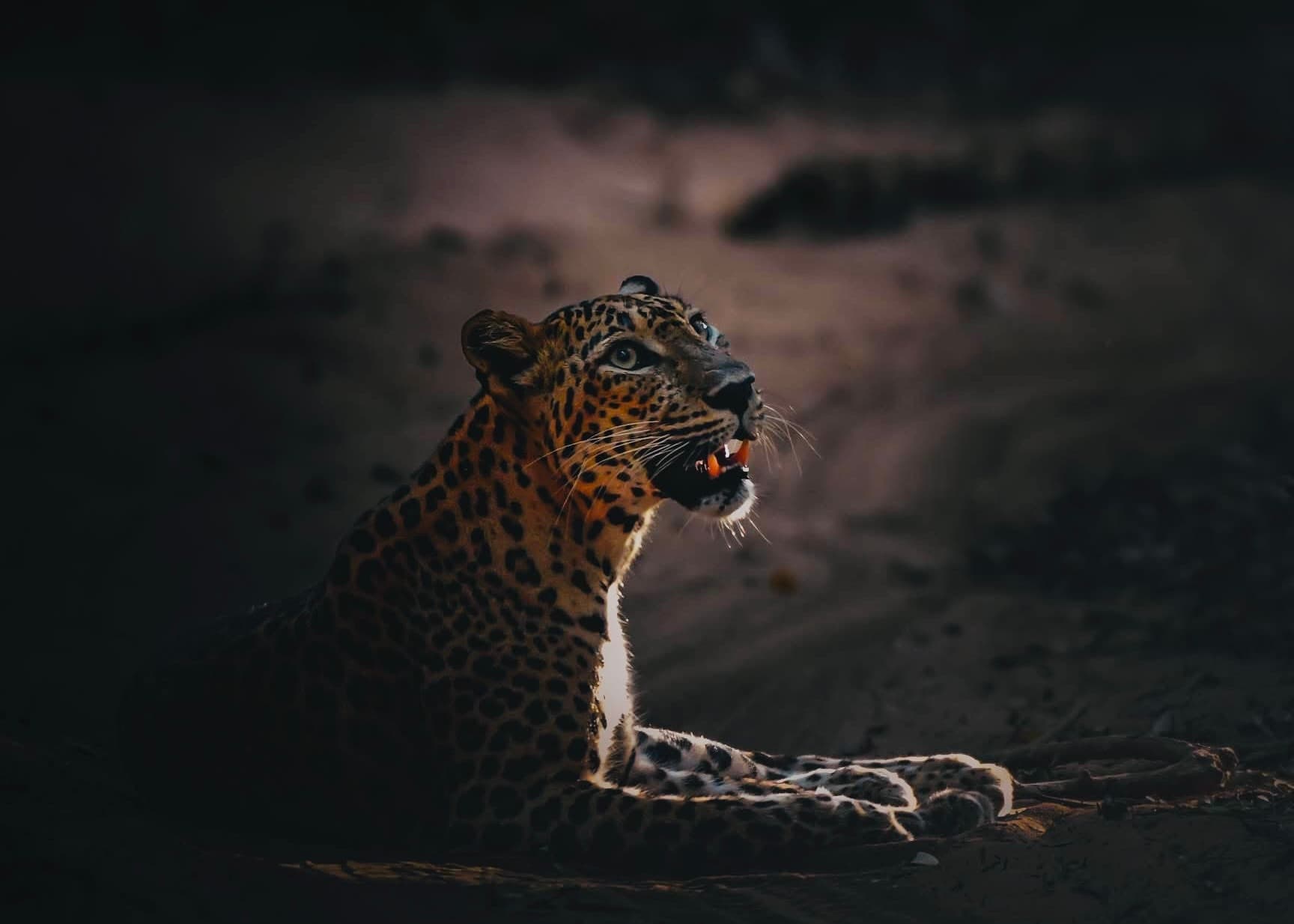
Leopard Jams & Deadly Speeding How 2026 Digital Ticketing Is Fixing Yala's Crisis (Complete Safari Guide)
Picture this. You have waited years for this moment. You wake up at 4:30 AM, bounce down a dusty road for an hour, and finally enter Yala National Park. Your driver's radio crackles. A leopard has been spotted, two kilometers away. Then, twenty, fifty, eighty jeeps all race toward the same spot. You arrive to find a single magnificent leopard surrounded by a convoy of idling engines, tourists leaning out, cameras clicking. The animal flicks its tail in distress and disappears into the bush.
This is not a worst-case scenario. This is a normal morning in Yala's Block 1 during peak season a phenomenon locals call "leopard jams."
But 2026 is different. After years of mounting pressure, the Sri Lankan government has finally taken decisive action. Digital ticketing, daily vehicle caps, and serious overcrowding fixes are now in place. This is your complete, up-to-date guide to navigating the new Yala, understanding the crisis that brought these changes, and experiencing the safari you actually dreamed of.
Part 1 The Crisis That Changed Everything
Why Yala Broke Down
Yala National Park has one of the highest leopard densities anywhere on Earth — roughly one magnificent Sri Lankan leopard per square kilometer in its most famous zone. That incredible statistic drew nearly 390,000 visitors in the first half of 2025 alone, generating more than $5 million in revenue. But success came at a devastating cost.
Wildlife photographer Milinda Wattegedara, co-founder of the Yala Leopard Center, attributes the escalating crisis to a social media boom and improved mobile reception, which allow drivers to quickly alert others of sightings, frequently resulting in "leopard jams".
Past vehicle strikes have claimed the lives of multiple animals, including a young leopard and a jungle cat. Speeding jeeps and reckless driving have disrupted animal behavior, increased accident risks, and degraded habitats across the park. The park became a victim of its own popularity.
The Lucas Incident A Wake-Up Call
In April 2026, a major controversy erupted. Lucas, one of Yala's most iconic male leopards — widely admired by wildlife enthusiasts and photographers for his striking appearance and frequent sightings — was feared dead after a suspected safari jeep incident.
The Wildlife Conservation Department launched an immediate investigation. The safari jeep believed to have been near Lucas was temporarily suspended by the park warden. Unverified social media posts claimed Lucas had been struck and killed. Officials cautioned against spreading unconfirmed information.
Park warden Ravindra Kumar later clarified that Lucas was spotted the following night in good health. But the damage was done. The incident sparked nationwide debate and fresh questions about safari safety and wildlife protection.
The bottom line: Even though Lucas survived, his close call revealed a terrifying truth. Speeding jeeps and overcrowding are a daily threat to the very animals you came to see.
Part 2 — The 2026 Fix: Digital Ticketing & Vehicle Caps
Daily Vehicle Limit (Already in Effect)
The Department of Wildlife Conservation has decided to limit the number of vehicles carrying tourists into Yala National Park. As of early 2026, only 300 safari jeeps are permitted entry per day [source: independent.lk]. This direct cap on vehicles reduces competition at prime sightings and eases daily pressure on wildlife.
Digital Ticketing System (Coming Online)
Sri Lanka's tourism authorities are moving to implement a unified digital ticketing platform, with Yala as the first park to operate under a capped daily visitor system.
SLTDA Chairman Buddhika Hewawasam explained the urgency: "In any wildlife park in Sri Lanka, you don't have a carrying capacity restriction. You take any number of people who come". The new platform will use QR scanning facilities, enforce specific time slots, and limit the number of vehicles entering per hour.
Licensed Drivers Only
Since January 2024, all jeep drivers entering Yala must be licensed by the Department of Wildlife Conservation (DWC) or accompanied by a certified DWC tracker. Drivers face fines or license suspensions for violating safety guidelines or speed limits.
Additional Proposed Measures
The government is also considering:
* Installing GPS trackers on all safari jeeps to monitor and enforce speed limits
* Opening less-populated areas (Blocks III, IV, V, and VI) to divert traffic away from saturated Block I
* Expanding the road network and considering one-way driving routes
The infrastructure for the new ticketing system is already available, and a Presidential Task Force is currently coordinating between the Wildlife Conservation Department, Forest Department, and tourism authorities to fast-track implementation.
Part 3 — Choose Your Block Wisely (This Changes Everything)
Understanding Yala's block system is the single most important decision you will make. Most travelers default to Block 1 — and most regret it.
Block Known For Crowd Level Best For
Block 1 Highest leopard density Very high (90% of tours go here) First-time visitors willing to tolerate crowds
Block 5 Peaceful open landscapes, fewer jeeps Very low Photographers, introverts, nature lovers
Lunugamvehera True wilderness, elephant corridor Extremely low Seasoned travelers seeking total peace
Block 1 is Yala's most famous section, boasting one of the world's highest leopard densities at one animal per square kilometer. In Block 1, sightings can quickly turn into a "melee of jeeps, with drivers jostling for position".
Block 5 receives consistently rave reviews from travelers who prioritize tranquility over raw odds. It offers open landscapes, far fewer jeeps, and a slow, authentic experience that lets you observe natural animal behavior without interruption.
Lunugamvehera National Park, located just a short distance away, serves as an elephant migration corridor between Yala and Udawalawe, offering a more exclusive and rewarding alternative to the busier sectors.
Key tip: Ask your safari operator specifically about Block 5 or Lunugamvehera. Many will default to Block 1 unless you request otherwise.
Part 4 — 2026 Cost Breakdown: What You'll Actually Pay
Pricing transparency is a major pain point for foreign travelers. Here is the truth.
Park Entrance Fee
The entrance fee is a separate government charge paid at the gate and almost never included in advertised safari packages. As of 2026, approximate costs are:
* Foreign adults: approximately $25–30 USD per person
* Children aged 6–12: approximately half price
* Children under 6: usually free
Crucial note: Fees must be paid in cash in Sri Lankan Rupees at the park gate. Credit card facilities are unreliable.
Safari Jeep Hire
You cannot enter Yala using a private vehicle. A licensed safari jeep with an experienced driver is mandatory.
Safari Type Approximate Cost (USD) Includes
Shared Jeep (Half Day) $35–60 per person Driver, pickup, water
Private Jeep (Half Day) $40–60 per jeep Driver, pickup, water, privacy
Private Jeep (Full Day) $90–150 per jeep Breakfast, lunch, driver, water
Total cost for two adults (private half-day): A private half-day safari for two people usually costs
90
–
90–110 USD total when combining jeep hire and park entrance fees.
What to Ask Before Booking
Before you hand over any money, ask your operator: "Does this price include the park entrance fee, or is that paid separately?" If they hesitate or cannot give a clear answer, choose a different operator.
Part 5 — Best Time to Visit Yala in 2026 (Month by Month)
Your chances of seeing specific animals vary dramatically by season.
Months Wildlife Focus Conditions Crowd Level
February – July Dry season: strongest overall visibility Dry, hot, excellent viewing Very high (Feb-Apr)
February – April Peak leopard viewing period Optimal conditions Highest crowds
May – July Excellent leopard viewing, good elephant viewing Good visibility Moderate to high
May – September Elephant herds at waterholes Dry to moderate Moderate
November – January Birdwatching peak, migratory species, greener scenery Occasional rain Low
The dry season from February to July is widely considered the best period to visit Yala, as water levels drop and animals gather around remaining waterholes.
February through April represents the peak leopard viewing window within the dry season, but also the highest crowds. For a balance of good wildlife conditions and fewer people, consider May or June, which still falls within the dry season but sees a significant drop in visitor numbers.
Annual park closure: Yala is usually closed for annual maintenance and the wildlife census during September. Always verify current schedules before booking.
Part 6 — Morning Safari vs. Afternoon Safari: Which Is Right for You?
Safari Type Best For Pros Cons
Morning (approx. 5:30–10:00 AM) Birds, active leopards before heat Highest predator activity, best photography light Very early start
Afternoon (approx. 2:30–6:00 PM) Elephants, sunset leopards Warmer start, sunset photography, good for elephants Harsher early afternoon light
Morning safaris are widely considered superior for leopard sightings. Most predators are most active during the first two to three hours of daylight before the tropical sun forces them into shaded cover.
Afternoon safaris offer warmer conditions, a more relaxed start time, and excellent potential for elephant viewing. Elephants often gather at waterholes during this window.
Expert recommendation: If you have only one day at Yala, choose a morning safari. If you have two days, book one morning and one afternoon drive to experience the park in both lights and maximize your overall wildlife exposure.
Part 7 — Ethical Safari Guidelines Every Visitor Must Follow
The crisis at Yala is not abstract. It is a direct result of traveler choices. You can actively choose to be part of the solution.
Park Regulations (Strictly Enforced)
* Remain inside the vehicle at all times
* Follow the instructions of your driver and tracker
* Avoid loud conversations and sudden movements
* Do not attempt to feed or attract animals
* No flash photography
How to Be an Ethical Traveler in 2026
* Never pressure your driver to move closer than the respectful distance. A good photograph is never worth an animal's stress.
* Never encourage off-road driving or speeding. It destroys root systems, nesting habitat, and endangers animals.
* Choose quieter blocks. Ask specifically for Block 5 or Lunugamvehera.
* Support licensed operators. Look for DWC-licensed drivers and a published code of conduct.
* Avoid peak season (Feb-Apr) if possible. Travel in May or June for good conditions with fewer vehicles.
Srilal Miththapala, a veteran tourism and sustainability professional, notes that the long-term sustainability of the park depends on moving away from a "box-ticking" culture focused solely on sightings toward a model that prioritizes the quality of the wildlife experience and strict enforcement of park regulations.
Ethical Operators Leading the Way
A handful of camps and lodges, such as Kulu Safaris and Leopard Trails, are already leading by example, adhering to a strict code of conduct and promoting responsible, small-group safaris. They explore lesser-visited areas like Blocks 3, 4, and 5, as well as Lunugamvehera National Park, working in close collaboration with the Forest Department to protect surrounding wilderness.
Part 8 — Complete Trip Planning
Where to Stay
Most foreign visitors base themselves in Tissamaharama (often called "Tissa"), approximately 20 kilometers from the main park entrance.
Tissamaharama:
* Wide range of options from budget guesthouses to luxury eco-lodges
* Best central location
* Most safari operators are based here
Park-adjacent luxury:
* Cinnamon Wild Yala — animals often roam the hotel grounds
* Luxurious tented camps for premium early-morning access
What to Pack
* Neutral-colored clothing in khaki, beige, olive, or brown — avoid bright colors and white
* Lightweight jacket for early morning coolness
* Closed footwear for entering and exiting the jeep
* High-SPF sunscreen and a wide-brimmed hat
* Insect repellent with DEET or picaridin
* At least 1.5 liters of water per person
* Binoculars (essential if your camera lacks powerful zoom)
* Scarf or dust mask — the fine red dust during dry season is significant
* Passport — mandatory for entrance verification
* Sri Lankan Rupees in cash to pay entrance fees at the gate
Photography Tips
* Use a telephoto lens (200mm or more) for safe-distance wildlife shots
* Shoot during golden hour — early morning and late afternoon offer the best light
* Avoid flash photography — it is prohibited and disorients animals
* Use waterholes as backgrounds for dramatic compositions
* Keep your camera ready at all times — wildlife sightings can be fleeting
Getting to Yala
Yala is approximately 300 kilometers from Colombo (5–6 hours drive). Most travelers fly into Colombo, then drive via the Southern Expressway. Direct day trips from Colombo are possible but involve very long travel days. Most visitors prefer to stay overnight in Tissamaharama to enjoy a full morning safari.
Sample 2-Day Responsible Itinerary
Day 1: Arrive in Tissamaharama in the afternoon. Confirm your safari booking, ensuring your operator is DWC-licensed and can take you to Block 5 or Lunugamvehera. Check that they have secured your digital entry permit.
Day 2: Morning safari starting at approximately 5:30 AM in your chosen quiet block. Return for breakfast, rest, and depart in the afternoon for your next destination (Ella, Galle, or the southern coast).
Frequently Asked Questions
Q: Do I need to pre-book my Yala safari in 2026?
Yes. With the new digital ticketing system and 300-vehicle daily cap, advance booking is no longer optional. Book at least a few days ahead during peak season.
Q: Are leopards guaranteed at Yala National Park?
No. Yala boasts the world's highest leopard density, but no ethical operator will ever guarantee a sighting. Anyone who does should be avoided entirely.
Q: Is Yala safe in 2026?
Safety challenges exist related to speeding jeeps and overcrowding. However, visitors who choose licensed operators, follow park rules, and avoid peak times minimize their risk. The government's new regulations are actively addressing these issues.
Q: Which is better for a first-time visitor — Yala or Udawalawe?
Yala is best for leopards and overall biodiversity. Udawalawe is best for guaranteed elephant sightings and a more peaceful, family-friendly atmosphere. Many travelers combine both.
Q: Is Yala suitable for children?
Yes, with realistic expectations. Morning safaris start very early — afternoon safaris are more manageable for families. Pack snacks, water, and quiet activities to keep children engaged.
Q: What is the quietest time to visit Yala?
For the best balance of good wildlife conditions and fewer people, aim for May or June, which still falls within the dry season but sees a significant drop in visitor numbers compared to the peak months of February through April.
Q: Is there a tiger myth at Yala?
There are no tigers in Sri Lanka. The apex predator is the Sri Lankan leopard. This is a persistent myth — social media spreads confusing information, but the scientific truth is straightforward
Final Thoughts
Yala National Park is not beyond saving. The new digital ticketing system, 300-vehicle daily cap, and proposed GPS tracking and route expansions are crucial steps. But the real power rests with you.
The controversy surrounding Lucas was a national scandal. The "leopard jams" of Block 1 are a daily frustration. But by choosing quieter blocks like Block 5, by traveling during May or June rather than the peak crush of February to April, by supporting licensed drivers, and by refusing to pressure them for that "perfect shot," you become part of the solution.
Milinda Wattegedara, co-founder of the Yala Leopard Center, articulated the ultimate vision: establishing the park as a world-class destination where leopard conservation and ethical tourism exist together.
The leopards are still there. The elephants still gather at the waterholes. The sun still rises over the scrubland and paints the granite rocks gold. Yala remains one of the world's genuinely great wildlife destinations. Now, for the first time in years, you have the tools to experience it without fighting fifty other jeeps for a glimpse of a cat.
Plan ahead. Book your digital entry early. Choose Block 5. Pack for the dust, not just the sun. And be the traveler who helps save the king.
This guide was updated in May 2026 with verified 2026 pricing, new park regulations, and search-trend analysis based on official government announcements, park warden statements, and wildlife conservation publications. Always confirm current entrance fees and digital ticketing status with the Department of Wildlife Conservation before booking your safari.
Ready to see this in real life?
Book your Yala safari today and experience the magic firsthand.
Explore Packages