Where to Stay Near Yala National Park 2026: Best Camps, Glamping & Safari Lodges
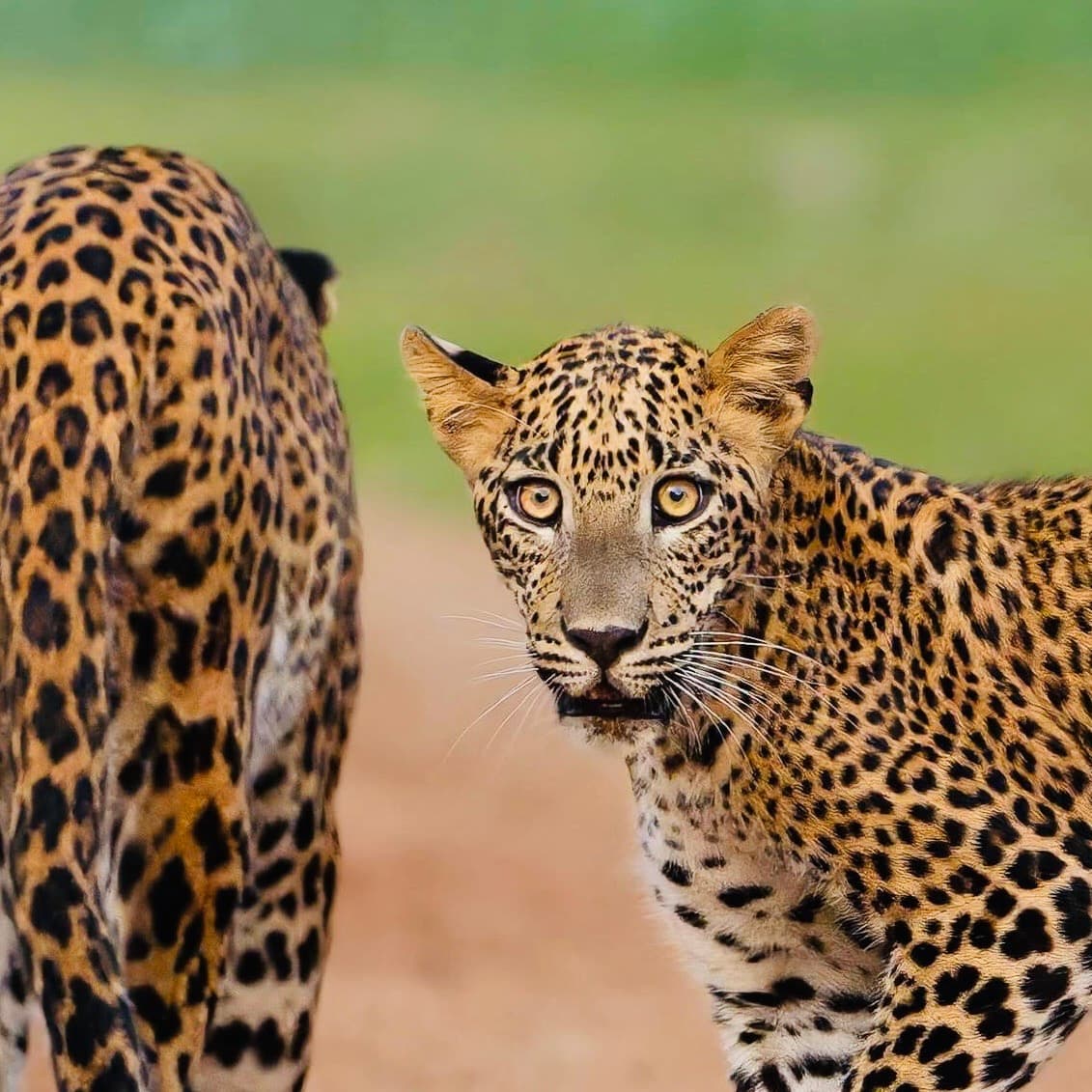
Choosing where to stay for your Yala safari is the single most important logistical decision you will make. While most travel sites suggest basing yourself in the town of Tissamaharama, the "insider secret" for 2026 is to stay as close to the park boundary as possible. Being located within 0–3 km of the gate allows you to reach the entrance by 5:15 AM, ensuring you are among the first jeeps in the queue. Because leopards are most active in the first 90 minutes of daylight, those few kilometers can be the difference between a private encounter and a crowded "jeep jam." For travelers seeking the ultimate experience, we recommend the Luxury Boundary Zone for proximity, or the Buffer Zone (3–10 km) for the best balance of value and wildlife access.
The Luxury Tier: Iconic Glamping and Tented Suites
For those seeking a bucket-list experience, Yala’s luxury lodges are world-renowned. Wild Coast Tented Lodge remains the most iconic stay in 2026, featuring 28 cocoon-shaped suites arranged in the shape of a leopard’s paw. Located directly on the park boundary where the jungle meets the ocean, it offers an all-inclusive experience with guided safaris and gourmet dining (typically priced between $350–$600 per night). If you are looking for architectural elegance with a slightly lower price point ($180–$280), Tribe Yala provides refined luxury and exclusive safaris nearby. Another top-tier favorite is Mahoora Tented Safari Camp, widely praised by honeymooners for its lake-view dining and expert-guided tours that consistently deliver high leopard and elephant sighting rates.
Best Value: Top-Rated Mid-Range Safari Camps
If your priority is wildlife photography and expert tracking rather than infinity pools, the mid-range sector ($80–$180) offers incredible value. Camp Leopard has solidified its reputation as the "Specialist's Choice" in 2026. Operating since 2016, their team boasts a near 99.9% leopard sighting rate on multi-day tours. Strategically located near Kataragama, they provide unique access to less-crowded gates in Blocks 3, 4, and 5. For travelers who want the feeling of sleeping inside the park, Big Game Camp Yala sits right on the boundary. It features authentic canvas tents with real beds and en-suite bathrooms, where deer and wild boar frequently wander through the camp. Wild Trails Yala by Suri is another excellent 2026 contender, located just 3 km from the main gate and offering AC luxury tents with walk-in rain showers.
Budget Stays: Nature-First Camping for Backpackers
Travelers on a budget do not have to sacrifice the safari atmosphere. For under $60 per night, Yala Safari Camping and Ruhunu Safari Camping offer stripped-back, nature-first experiences. These camps are ideal for solo travelers and backpackers who want a straightforward base for their safari without the high-end trimmings. While these options are usually located 15–20 km from the gate, the staff are experts at arranging early-morning transport. These no-frills camps provide a much more authentic bush experience than the concrete guesthouses found in Tissamaharama town, allowing you to stay connected to the sounds of the jungle at a fraction of the cost.
2026 Comparison: At-a-Glance Summary
When weighing your options, consider both distance and inclusions. Wild Coast and Mahoora offer premium, all-inclusive packages where safaris are bundled into the room rate. Camp Leopard is the standout for those prioritizing the quality of the tracker. If you are a young traveler or a couple seeking social vibes and boundary access, Big Game Camp is the undisputed "Best Value" winner. While Tissamaharama remains the most budget-friendly town with plenty of ATMs and restaurants, the 30-minute pre-dawn drive can be stressful. We recommend staying closer to the park to ensure you are part of the "dawn chorus" and the very first wave of jeeps.
Essential Packing List for Your Safari Stay
To make the most of your 2026 stay, come prepared for the dusty, changing environment of the dry zone. Essential gear includes 8x42 binoculars, a camera with a telephoto lens, and—most importantly—a dust cover for your electronics. The red dust of Yala is famously pervasive. Wear only neutral colors like khaki, olive, and brown to blend into the environment and minimize wildlife disturbance. Since dawn temperatures can be surprisingly chilly in the open-air jeeps, bring a light layer to wear until the sun fully rises. Don't forget reef-safe sunscreen, DEET-based insect repellent, and a reusable water bottle, as single-use plastics are strictly discouraged near the conservation zones.
Frequently Asked Questions by Foreign Visitors
Is it worth staying in a glamping camp?
Absolutely. The experience of hearing elephants or leopards near your tent at night is transformative and puts you in the heart of the ecosystem, saving you from a long commute from town.
Can you actually stay inside the park?
Only a few lodges, like Wild Coast Tented Lodge, are situated on the immediate boundary. Most "inside Yala" marketing refers to the buffer zone, which still offers excellent wildlife proximity.
How many days should I book?
A minimum of two days (one overnight) is ideal. This allows for both a morning and afternoon safari, which significantly increases your chances of seeing a leopard and allows you to explore different blocks of the park.
Ready for the ultimate safari?
Ready to see this in real life?
Book your Yala safari today and experience the magic firsthand.
Explore Packages