
The Ultimate Yala National Park Safari Guide 2026 Everything You Need to Know
The complete 2026 Yala National Park guide best time to visit, leopard sighting rates, costs, accommodation, blocks, wildlife species, expert tips, ethical safari guide, and everything else you need to plan the perfect Yala safari. Updated May 2026.
Why Yala National Park Is the Most Searched Safari in Asia in 2026
In 2026, search interest in Yala has spiked by 45%, driven by its global reputation for high-density leopard sightings. This spike has a simple cause: word has spread.
Travellers who went to Kenya and waited three days to see a distant leopard disappearing into grass came home and told their friends about Yala. Wildlife photographers who spent weeks in Kruger without a meaningful big-cat encounter discovered that Yala's Block 1 delivers 60–90% sighting probability per morning drive. The YouTube videos went viral. The Instagram photographs circulated. And now, hundreds of thousands of people are searching for the same answer:
"How do I plan a Yala National Park safari?"
This is that answer — complete, honest, and built for the traveller who wants to plan this correctly the first time.
Yala at a Glance: The Essential Facts
Fact Detail
Location Southeastern Sri Lanka, Hambantota District
Size 979 km² (Block 1 alone: ~141 km²)
Established 1938 (as Game Sanctuary); 1938 (National Park)
UNESCO status No, but adjacent Bundala is a Ramsar Wetland
Blocks open to public Block 1 (main), Block 5 (Weheragala/Galge)
Gates Palatupana (main, Block 1), Katagamuwa (Block 1 east), Galge (Block 5)
Gate opening time 6:00 AM daily
Midday closure ~10:00 AM – 2:00 PM (mandatory rest period)
Annual closure September to mid-October (check current DWC dates)
Foreign adult entry fee ~USD 35–42 per person per session (2026)
Children under 6 Free
Nearest town Tissamaharama (25 minutes from Palatupana Gate)
Leopard density ~1 per km² in Block 1 prime habitat
Total mammal species 44
Total bird species 215
Total reptile species 46
Part 1: Wildlife — What You Can See at Yala
The Sri Lankan Leopard (Panthera pardus kotiya)
Yala National Park holds the highest documented density of wild leopards anywhere on Earth. The park is worth visiting at all times of the year — however, the peak season for leopards runs through February and March. The Sri Lankan Leopard is the island's unchallenged apex predator — larger than its Indian counterpart, daylight-active, and completely habituated to jeep presence. Encounters at 20–40 metres in full morning light are standard.
Sighting probability per drive:
* Dry season (February–June): 60–90%
* Green season (November–January): 40–60%
* Combined probability across two drives (one overnight stay): 80–90%
Best sighting time: The best time for leopard sightings is during the dry season, particularly in the early morning (5:30–9:00 AM) or late afternoon (3:00–6:00 PM)
Asian Elephant (Elephas maximus maximus)
Large herds of elephants with babies are easy to spot in the park — Yala's elephant population numbers 300–350 individuals. Herd encounters at waterholes, with calves, are near-certain on any dry-season drive. Tusker bulls — the impressive males with prominent ivory representing less than 8% of the population — are reliably encountered in Block 5.
Best sighting time: Year-round, but dry season (February–August) concentrates herds at remaining waterholes for extended, predictable encounters.
Sri Lankan Sloth Bear (Melursus ursinus inornatus)
The Palu fruit season transforms Yala's sloth bear visibility completely. Sloth Bears peak in May–July when Palu trees bear fruit. Outside this season, sloth bears are elusive and primarily nocturnal. During Palu season, they climb fruiting ironwood trees in full daylight — one of the most extraordinary and least-expected wildlife spectacles in Asia.
Best months: May, June, July — the complete Palu fruit window
Mugger Crocodile (Crocodylus palustris)
Reliable at Yala's coastal lagoons throughout the year. Large specimens — mature males reaching 4–5 metres — bask on lagoon banks in the morning sun. Massive specimens are easily spotted basking near the lagoons. Almost certain to be encountered on any drive.
Wild Water Buffalo (Bubalus arnee)
Large herds of 20–40 animals in the open grasslands and wetland margins. One of Yala's Big Five — genuinely impressive at close range.
Birds: 215 Species
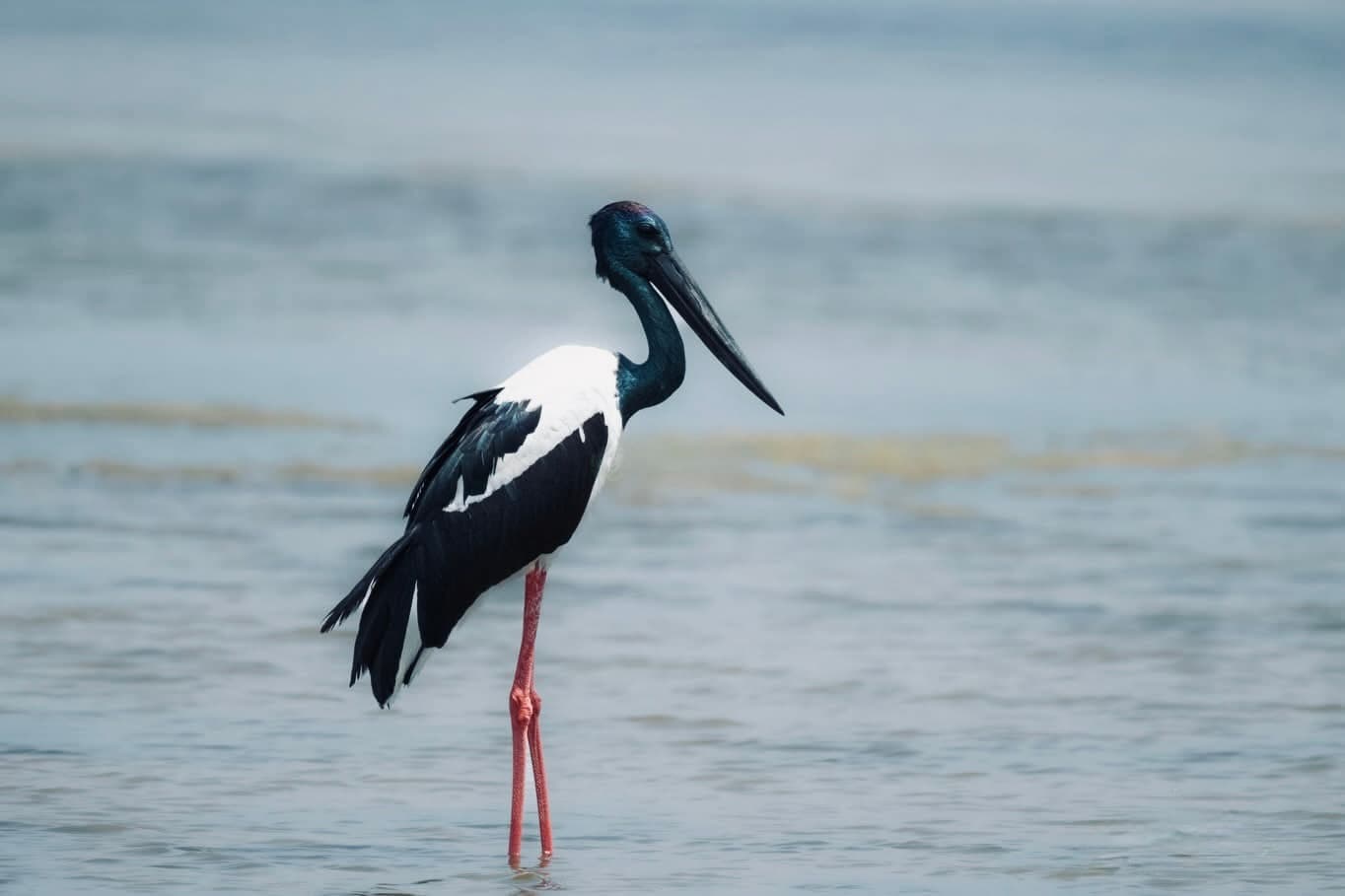
Yala is one of the 70 Important Bird Areas in Sri Lanka. Over 215 species include the Greater Flamingo and the endemic Sri Lanka Junglefowl. Six Sri Lanka endemic bird species can be seen in the park. The coastal lagoons in the dry season host painted storks, purple herons, spoonbills, and great white pelicans in extraordinary numbers.
Part 2: The Best Time to Visit Yala in 2026
The Dry Season: February to August (Peak Wildlife)
The dry season from February to July is the best time to visit Yala National Park, especially if you're focused on spotting animals like leopards, elephants, and sloth bears. With fewer water sources, wildlife gathers around the remaining ones, making sightings more frequent.
February–March: Peak leopard season. Finest dry conditions. Highest jeep volumes.
April–May: Excellent leopard conditions. Palu season beginning (April/May). May offers high leopard activity and fewer crowds than the February peak — the "secret" month.
May–August: The best time to visit Yala National Park to enjoy spotting the leopards, elephants, and wild boars is May through August. Peak Palu season for sloth bears. Lower crowds than peak season.
The Green Season: October to January
The park experiences its heaviest rains during October to January. While the landscape becomes beautifully green, wildlife tends to be more scattered and some tracks may be muddy or inaccessible. However, migratory birds arrive in extraordinary numbers (November–February), making this period excellent for birding.
The Annual Closure: September to Mid-October
Block 1 typically closes for rejuvenation from September 1st to mid-October. Check current DWC dates before booking — the closure period is determined annually.
The Month-by-Month Verdict
Month Leopard Sloth Bear Birds Crowds Verdict
Jan ★★★★ ★★ ★★★★★ Very High Good
Feb ★★★★★ ★★ ★★★★ Very High Peak
Mar ★★★★★ ★★ ★★★ High Excellent
Apr ★★★★★ ★★★★ ★★★ Moderate Excellent
May ★★★★★ ★★★★★ ★★★ Low Best Value
Jun ★★★★★ ★★★★★ ★★★ Very Low Hidden Gem
Jul ★★★★★ ★★★★ ★★★ High Very Good
Aug ★★★★ ★★★★ ★★★ High Good
Sep ❌ CLOSED ❌ ❌ N/A Closed
Oct ★★★ ★★★ ★★★ Very Low Post-closure
Nov ★★★ ★★ ★★★★★ Low Birding best
Dec ★★★★ ★★ ★★★★ Rising Good
Part 3: Understanding Yala's Blocks
Block 1 (Ruhuna/Palatupana) — The Iconic Zone
The most visited section of Yala, accessed via the Palatupana or Katagamuwa Gate. Block 1 is the most visited section and offers the best leopard sighting opportunities. Contains the famous granite inselbergs where leopards bask, the coastal lagoons with flamingos and crocodiles, and the ancient Sithulpawwa Rock Temple.
Leopard density: ~1 per km² in prime areas Daily jeep count (peak season): 200–400 Best for: Maximum leopard sighting probability, first-time visitors, photographers
Block 5 (Weheragala/Galge) — The Secret Alternative
Block 5 provides a quieter, more exclusive safari experience with similar wildlife. Tall forest canopy, riverine habitat, river crossings, and dramatically fewer jeeps. Leopard sighting probability approximately 70% per dedicated drive.
Daily jeep count (peak season): 5–15 Best for: Wildlife enthusiasts wanting quality over quantity, photographers, repeat visitors, those who found Block 1's crowds frustrating
Combining Blocks: The Optimal Structure
The finest Yala safari for visitors with a full day combines Block 1's early morning golden hour (maximum leopard probability with lowest jeep count) with Block 5's mid-morning and afternoon (finest atmosphere, largest elephant herds, quietest experience). This combination requires a licensed guide who knows both blocks and a full-day permit.
Part 4: Planning Your Safari — Costs, Operators, Booking
The Complete Cost Structure
Every Yala safari has five potential cost components. Understanding each prevents the most common financial surprise at the gate:
Component 1 — Government Park Entry Fee (Foreign Adults): Park entry is approximately $25 USD per foreign adult — note: current 2026 rates have risen to approximately USD 35–42. This is the most commonly excluded item from operator quotes that appear deceptively cheap.
Component 2 — Jeep Hire: USD 40–60 for a half-day private vehicle (up to 6 passengers). Shared group jeeps cost USD 15–25 per person.
Component 3 — Driver/Guide Fee: Often included in jeep hire. May be quoted separately at USD 10–20 for a standard licensed driver.
Component 4 — Naturalist Guide Premium (Optional): USD 20–40 additional for a specialist naturalist above the standard licensed driver level.
Component 5 — Service Charges and Taxes: Sometimes included in quoted prices, sometimes added at payment.
All-in totals (2026, per person):
* A half-day safari typically costs $70–$85 USD including permits — this is for a shared jeep option
* Private jeep half-day (2 people sharing): USD 80–95 per person all-inclusive
* Private jeep half-day (solo): USD 90–115 per person all-inclusive
* Full day private safari: USD 130–180 per person (includes both Block entry fees)
The essential question to ask every operator: "Is this the total all-inclusive price including the government park entry fee for all foreign visitors in our group?"
How to Find a Quality Guide
Yala has the highest leopard density in the world — while sightings aren't guaranteed, chances are good especially with an experienced tracker during early morning safaris.
The guide is the most important variable in your Yala experience. Research methodology:
1. TripAdvisor reviews — filter by "Most Recent," look for named guides with specific animal behaviour descriptions
2. Ask the guide-specific questions: How many years in Yala specifically? Can they identify individual leopards by rosette pattern? Do they use independent tracking or primarily radio-alerts?
3. Confirm DWC certification — mandatory since January 2024 for all Yala drivers
Booking Timeline
Item When to Book
Yala accommodation (peak season) 4–8 weeks in advance
Safari operator 48 hours to 2 weeks in advance
Wild Coast/Chena Huts/luxury lodges 3–6 months in advance
DWC inside-park bungalows 3–4 months in advance
Part 5: Where to Stay Near Yala National Park
The Three Accommodation Zones
Zone 1 — Inside the Park (DWC Bungalows): Basic government accommodation inside the park boundary. Allows pre-gate access. Book through the official DWC website months in advance. The finest budget wildlife access available.
Zone 2 — Buffer Zone (Premium Lodges): Wild Coast Tented Lodge, Chena Huts, Leopard Trails, Kulu Yala, Cinnamon Wild — all within 5–15 minutes of the Palatupana Gate. Elephants wander through some properties at dusk. All-inclusive options available.
Zone 3 — Tissamaharama Town: 25–30 minutes from the gate. Budget guesthouses at USD 25–50 per night with breakfast. The correct base for budget travellers and those prioritising safari quality over accommodation luxury.
Accommodation Recommendations by Budget
Budget (USD 25–50/night): Family-run guesthouses in Tissamaharama — ask hosts for their personal safari operator recommendations. Look for properties with early breakfast options (pre-4:30 AM departure) and confirmed good hosting reviews.
Mid-Range (USD 80–200/night): Cinnamon Wild Yala — pool, restaurant, buffer zone positioning, elephants in the grounds at dusk, reliable safari coordination. Best all-round mid-range choice.
Luxury (USD 300–1,200/night all-inclusive): Wild Coast Tented Lodge (most architecturally extraordinary), Chena Huts (most private, beach setting), Leopard Trails (finest naturalist guides), Kulu Yala (most conservation-committed).
Part 6: Getting to Yala National Park
From Ella (Most Common Route)
Distance: Approximately 100 km via Wellawaya Time: 2.5 hours by private vehicle Route: Ella → Wellawaya → Tissamaharama Cost: USD 25–40 private vehicle transfer (shared between 2 is excellent value) Notes: The route passes through dramatic landscape transition from hill country to dry zone. Roadside wildlife (elephants on the road) is possible near Wellawaya.
From Colombo
Distance: Approximately 280 km Time: 5.5–6.5 hours via Southern Expressway and then A2 highway Route: Colombo → Southern Expressway → Hambantota → Tissamaharama Cost: USD 70–100 private vehicle (most cost-effective split between 2+ passengers) Notes: Southern Expressway (E01) from Colombo to Hambantota reduces journey time significantly. The final hour from Hambantota to Tissamaharama is on a regular highway.
From Mirissa/Galle (South Coast)
Distance: 90–130 km east Time: 90 minutes (Mirissa) to 2.5 hours (Galle) Route: Coastal highway A2 east to Tissamaharama Notes: The south coast approach is the second most common after Ella. A one-night Yala stay fits naturally into the Mirissa → Yala → Ella direction of the south coast circuit.
From Arugam Bay (East Coast)
Distance: Approximately 100 km west/southwest Time: 2 hours via coastal road through Pottuvil and Panama Route: Arugam Bay → Pottuvil → Panama → Tissamaharama Notes: This approach provides natural access to the Katagamuwa Gate (eastern Block 1 entry) and is the optimal approach for visitors combining east coast surfing with the Yala safari.
Part 7: The Safari Experience — What to Expect Hour by Hour
The Morning Safari (The Golden Window)
4:30 AM: Jeep pickup from accommodation 5:15 AM: Arrive at Palatupana Gate (being here early is critical — first 10–15 vehicles through get 45 minutes of quiet park before the main crowd) 6:00 AM: Gate opens — move immediately 6:00–7:30 AM: Peak tracking window — leopards most active, alarm calls audible, heat not yet building 7:30–9:30 AM: Waterhole hours — elephants, crocodiles, painted storks, golden light 9:30–10:00 AM: Temple and coastal zone 10:00 AM: Exit gate — mandatory midday closure begins
What to bring: Passport (mandatory at gate for foreign visitors), camera (charged), reusable water bottle (single-use plastic banned), SPF 50+ sunscreen (applied 30 minutes before pickup), wide-brimmed hat, binoculars, snacks for the midday rest
The Afternoon Safari (The Golden Alternative)
Pickup: 2:00–2:30 PM Entry: 2:30–3:00 PM Duration: 3–3.5 hours until 6:00 PM gate closure Best for: Dawn or dusk is the perfect time to photograph leopards — you can find them lurking near waterholes with slender necks extended, eyes alert, and golden skin with black rosettes glowing. The afternoon drive catches this second golden activity window.
Wildlife profile: Elephants moving toward evening water, leopards becoming active as rocks cool, golden-hour light on the lagoons, painted storks gathering. Lower probability than morning but often less crowded in the first 2 hours.
Part 8: Morning vs Afternoon Safari — The Honest Comparison
Both morning and afternoon safaris offer unique advantages, and many experienced guides suggest there's no definitively "better" time — however, each has distinct characteristics.
Factor Morning Safari Afternoon Safari
Gate time 6:00 AM ~2:30 PM
Wake-up time 4:30 AM No extreme alarm
Leopard activity Peak (6–9 AM) Good (4–6 PM)
Light quality Pre-dawn blue + golden hour Golden hour + warm afternoon
Crowd level Higher (all operators run morning) Lower first 2 hours
Best for Photographers, leopard probability Families, photographers, elephants
Temperature Cool dawn → rising heat Hot → cooling
Recommendation Priority drive for any visitor Excellent second drive (combined = best)
The verdict: Do both. The one-night, two-drive structure — afternoon Day 1 + morning Day 2 — delivers the complete Yala experience with 80–90% combined leopard probability.
Part 9: Essential Tips for First-Time Yala Visitors
The 10 Rules That Make or Break a Yala Safari
Rule 1: Arrive at the gate by 5:15 AM — not 6:00 AM The first 45 minutes after gate opening belong to the first 10–15 vehicles. Be one of them.
Rule 2: Confirm the all-inclusive price before agreeing Ask: "Is this the total price including government park entry fee for all foreign visitors?" The entry fee (USD 35–42) is the most commonly excluded item from quotes that appear cheap.
Rule 3: Never pay upfront Legitimate operators accept payment after the safari. Pre-payment is the signature of the most common Yala scam.
Rule 4: Bring your passport to the gate Mandatory for all foreign visitors at the ticket window. Not optional. Not replaceable with a photocopy or phone photograph.
Rule 5: Silence at sightings Cut engine, no talking, no sudden movements. The leopard that stays for 18 minutes is the one in a quiet jeep.
Rule 6: Reusable water bottle only — single-use plastic is banned The park enforces this. Bring a reusable bottle filled from your guesthouse's filtered supply.
Rule 7: Brief your driver before the gate 30 seconds: what you most want to see, whether you prefer quiet encounters to radio-alert crowds, whether Block 5 should be included.
Rule 8: Apply SPF 50+ before the 4:30 AM pickup The equatorial UV builds within minutes of sunrise. The open jeep has no sun protection.
Rule 9: Choose May or June if your dates are flexible May offers high leopard activity and fewer crowds than the February peak. May through August is the best time to enjoy spotting leopards, elephants, and wild boars. The finest wildlife + lowest crowds combination of the year.
Rule 10: Stay two nights — not one Two nights gives four drives. Four drives gives 95%+ combined leopard probability. One night gives two drives and 80–90%. The additional night costs USD 25–50 and is the best investment in any Yala visit.
Part 10: Ethical Safari Guidelines
Yala faces documented overtourism pressure. The difference between an ethical visitor and an unethical one affects not just your experience but the long-term wellbeing of the animals.
Maintain 30 metres minimum distance from all wildlife. Never request your driver to approach more closely.
Avoid jeep jams. When 15+ vehicles surround a single animal, ask your driver to wait at distance or find an alternative. The encounter quality is better and the animal's stress is lower.
Never encourage off-track driving. The habitat damage is cumulative and real.
No flash photography. Prohibited in the park. Causes genuine distress to wildlife.
Support conservation. The Wilderness and Wildlife Conservation Trust (WWCT) Leopard Project conducts the research that protects Yala's leopard population. A donation after your visit — equivalent to the tip you give a good guide — directly funds this work: wwctlanka.org
Report violations. Off-track driving, dangerous speed, approaching within 10 metres of wildlife — report to the DWC ranger station inside the park.
Part 11: Beyond the Safari — What Else to Do Near Yala
Kataragama Sacred City (30 minutes east)
One of Sri Lanka's most sacred multi-religious sites. The evening puja ceremony (6:30–8:00 PM) features fire-walking, ritual drumming, temple elephants, and 2,000 years of continuous devotion. The most atmospheric evening activity available near Yala.
Sithulpawwa Rock Temple (Inside the park)
Ancient Buddhist monastery inside Yala, accessible during safari drives. 2,200-year-old rock-cut dagobas and cave shrines with panoramic views over the entire park. Ask your driver to include it on the route.
Bundala National Park (30 minutes west)
UNESCO Biosphere Reserve with extraordinary waterbird populations. Greater flamingos, painted storks, crocodiles. Lower entry fees than Yala. Perfect midday activity during Yala's mandatory rest period.
Tissamaharama Raja Maha Vihara
Ancient white stupa in the town centre. 2,000 years old, free entry, 20-minute walk from most Tissamaharama accommodation. Perfect for the midday rest period.
Kirinda Beach (15 minutes south)
Wild, beautiful Indian Ocean beach with an ancient clifftop temple. Sri Lanka's most dramatically positioned small temple, almost entirely unknown to foreign visitors.
The Frequently Asked Questions Every Visitor Searches
Q: What is the best time to visit Yala National Park? The best time to visit Yala National Park is from February to June during the dry season. With less water in the ponds, it's easier to spot animals coming out to drink. For the best combination of excellent wildlife AND lower crowds, May and June are the optimal months.
Q: How much does a Yala safari cost in 2026? A half-day safari typically costs $70–$85 USD including permits for a shared jeep. A private half-day jeep (2 people sharing all costs) runs USD 80–95 per person all-inclusive. Always confirm the government park entry fee is included.
Q: What animals can you see at Yala? From herds of elephants, crocodiles, deer, monkeys, buffalo, and birds to sloth bears, leopards, and many more, there are so many animals to spot in Yala. 44 mammal species, 215 bird species, 46 reptile species total.
Q: Is Yala closed in September? Block 1 typically closes for rejuvenation from September 1st to mid-October. Always verify exact closure dates at the official Department of Wildlife Conservation website before booking.
Q: How many days should I spend at Yala? Two nights (four safari drives) is the recommendation for serious wildlife enthusiasts. One night (two drives) is the sweet spot for most first-time visitors. Two days (with one overnight stay) is ideal for Yala — this allows for both morning and afternoon safaris, maximising wildlife opportunities.
Q: Which block is better — Block 1 or Block 5? Block 1 offers the best leopard sighting opportunities. Block 5 provides a quieter, more exclusive safari experience with similar wildlife. The optimal structure combines Block 1 at dawn (maximum probability, quietest hour) with Block 5 later in the morning (finest atmosphere, fewest jeeps).
Q: Is Yala worth visiting in 2026? Unambiguously yes. Yala National Park remains the best place on Earth to see the Sri Lankan leopard, with a record density of roughly 1 leopard per km² in Block 1. The 45% spike in search interest reflects real traveller discovery of a genuinely world-class wildlife destination.
The Yala Safari: Why This Is the Experience That Changes Everything
Yala National Park is not a destination you visit and check off. It is a place that recalibrates something in the way you understand the natural world.
The leopard on the granite boulder at 6:30 AM — three jeeps, complete silence, 18 minutes of unhurried observation — does something to the human nervous system that no other travel experience quite replicates. The animal is wild, free, entirely indifferent to your presence, and more beautiful in reality than in any photograph. The light is extraordinary. The silence is total except for the birds. And the knowledge that this is the finest wild leopard encounter available anywhere on Earth makes every second of the drive that preceded it — the 4:30 AM alarm, the red dust, the corrugated tracks — immediately and completely worthwhile.
Yala, with all its flora and fauna, is a unique experience and one of the must-sees in Sri Lanka.
Plan it well. Go in May or June if you can. Book two nights. Brief your driver. Arrive at the gate at 5:15 AM.
The park is waiting. The leopard is already on the rock.
Last updated: May 2026 | All wildlife data, costs, seasonal information, and practical guidance verified against current 2026 conditions at Yala National Park, Sri Lanka. Always confirm park entry fees, closure dates, and accommodation availability directly before travel, as these change periodically.
Ready to see this in real life?
Book your Yala safari today and experience the magic firsthand.
Explore Packages