Leopards & Blue Whales How to See Both on One Sri Lanka Trip in 2026 (The Complete Yala + Mirissa Guide)
Sri Lanka is the only country where you can see wild leopards and blue whales on the same trip. The complete 2026 guide to combining Yala National Park's leopard safari with Mirissa whale watching — exact routes, timing, costs, and the day-by-day plan that makes it work perfectly.
The Only Country on Earth Where You Can Do Both
Here is a fact that very few people know before they book their Sri Lanka trip, and that almost everyone who discovers it builds their entire itinerary around:
Sri Lanka is the only country in the world where you can watch a wild leopard stalk across a granite boulder at dawn and then, two days later, stand at the rail of a boat in the open Indian Ocean while the largest animal that has ever lived on Earth surfaces twelve metres away.
Sri Lanka ranks in the top two or three countries in the world for whale watching, and Yala National Park holds the highest density of leopards on the planet. These two extraordinary facts exist on the same small island, separated by approximately 100 kilometres of south coast highway. The combination is not a compromise or a stretch of the itinerary. It is the most spectacular back-to-back wildlife experience available anywhere in Asia — possibly anywhere in the world.
This guide tells you exactly how to make it work: the timing, the routing, the booking sequence, the ethical considerations, and the day-by-day plan that delivers both encounters without sacrificing the quality of either.
Understanding the Two Encounters
The Yala Leopard: The World's Most Accessible Wild Big Cat
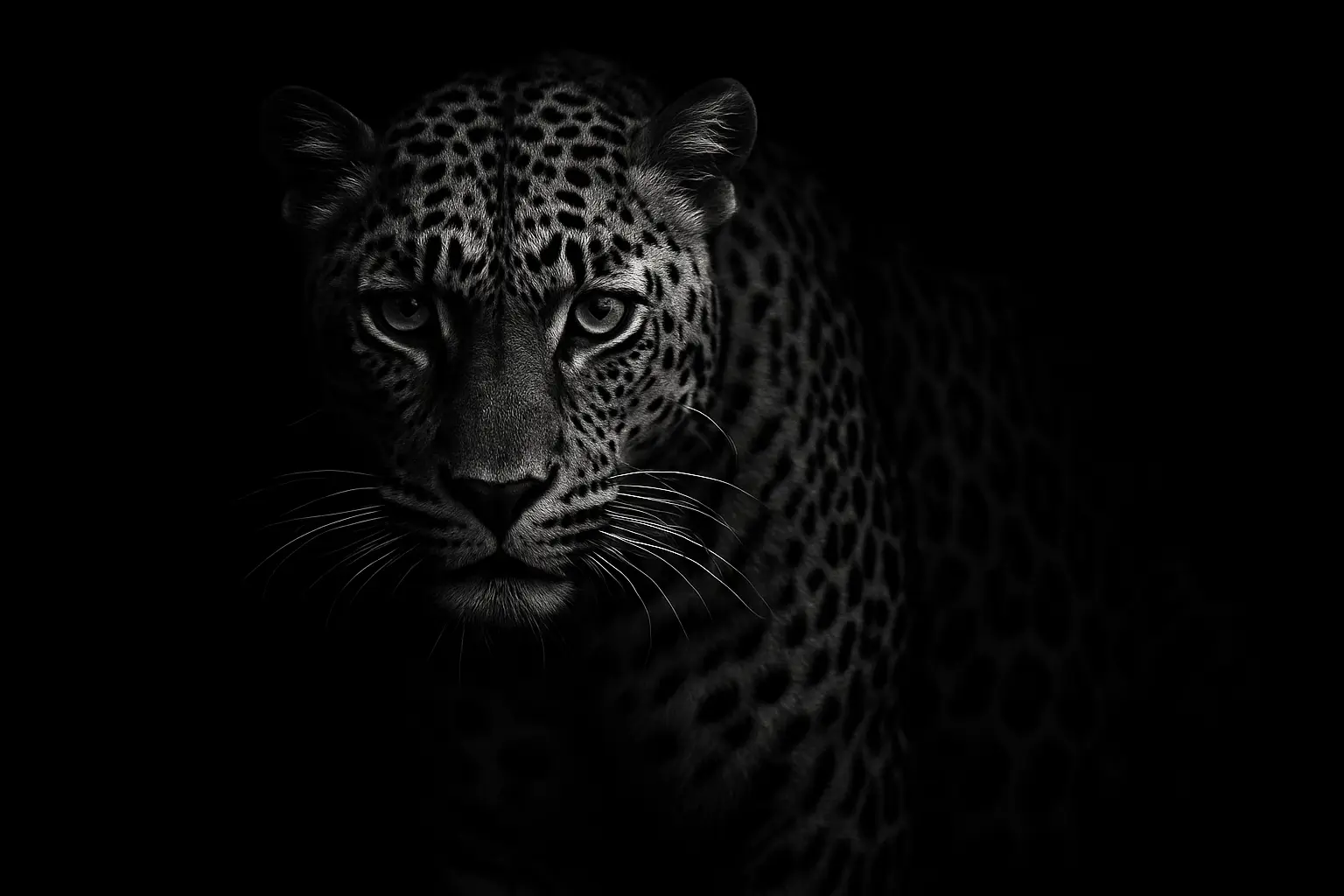
Yala National Park's Block 1 holds the highest documented density of leopards anywhere on Earth — approximately one individual per square kilometre. Unlike African leopards, which share their ecosystem with lions and hyenas and have evolved deep wariness and primarily nocturnal behaviour, Yala's leopards are the island's apex predators. They have never needed to fear anything. They lounge on sun-warmed granite boulders in full daylight. They walk tracks at 6:30 AM with the unhurried authority of animals that own the landscape.
The sighting probability on a well-timed, properly guided morning drive in Block 1 sits between 60–90% depending on the season. For a wildlife experience that genuinely exists nowhere else on Earth — a wild leopard at 25 metres, in full morning light, making eye contact — Yala is non-negotiable.
The Mirissa Blue Whale: The Largest Animal in Earth's History
What makes Mirissa a prime spot for whale watching is its geographic position — this is where the continental shelf is at its narrowest, with ocean depths reaching 1km just a few kilometres offshore. The blue whale — the largest animal that has ever existed in the history of life on Earth, reaching 30 metres in length and 200 tonnes in weight — migrates through these waters between November and April, drawn by the extraordinary plankton density in the deep water just off Dondra Point.
The scale of a blue whale sighting is genuinely impossible to prepare for. The animal's back, surfacing in a long, slow arc, appears to extend for fifteen metres or more. The tail flukes — raised as the animal dives — are wider than the boat you are standing on. The exhalation: a column of vapour rising five or six metres into the air, audible as a deep resonant explosion before the spout becomes visible. This is a creature whose tongue alone weighs as much as an adult elephant.
Scientists have noticed that the waters around Mirissa are particularly rich in plankton — a group of microorganisms that whales feed on — so blue whales and other kinds of whales are attracted to this destination. The blue whale sighting probability from a responsible operator in the November–April season sits between 70–85% on any given departure.
The Challenge: Getting the Timing Right
The single most important planning decision for the Yala + Mirissa combination is understanding when both experiences are simultaneously available.
The Overlap Window: November to April
November through March is the sweet spot for this combined itinerary. The south and west coasts are at their calmest and sunniest, whale watching at Mirissa is at peak season, and Yala's dry season concentrations of wildlife around waterholes are particularly strong.
This is the magic window. During November to April:
* Yala's leopards are reliably visible on morning drives (Block 1, dry season conditions building from February)
* Mirissa is the ideal place for whale and dolphin watching between November to April, as the waters become a playground for a myriad of whale and dolphin species
* The south coast beaches are at their finest — calm, warm, and swimmable
December–March is the absolute peak for both experiences simultaneously. February and March specifically deliver the finest dry-season leopard conditions at Yala alongside the peak blue whale season at Mirissa.
What Happens Outside This Window?
May–August: Yala's dry season reaches its peak wildlife conditions — excellent leopard and sloth bear sightings — but Mirissa's whale watching season has ended. The Indian Ocean off the south coast becomes rougher as the southwest monsoon arrives, and whale-watching operators typically suspend operations from late April or May.
September–October: Yala Block 1 closes for its annual conservation rest (check current DWC dates). Mirissa whale watching is also out of season.
The alternative for May–August visitors: From April to October, when the sea in the south is too rough for whale watching, we can arrange a similar trip using Wilpattu National Park and Minneriya National Park with whale and dolphin watching in Trincomalee on the east coast. Trincomalee's whale watching season runs April–September — making it a genuine alternative for visitors whose dates fall outside the Mirissa window.
The Route: How to Combine Yala and Mirissa Perfectly
They're about two hours apart by road, so technically possible to do both on the same day — but not recommended. A proper Yala visit requires two game drives across a full day to maximise sighting opportunities. Combining it with Mirissa's whale watching in the same 24 hours would mean doing both badly. Give each its own day.
This is the most important advice in this guide. Do not try to do both on the same day. The whale watching boat departs Mirissa Harbour at 6:00–6:30 AM. The Yala morning safari begins at 6:00 AM. These experiences require the same pre-dawn commitment, and attempting to do one immediately after the other produces exhaustion rather than wonder. Each deserves its own full, attentive day.
The Two Core Route Options
Route Option A: Mirissa First, Then Yala (West to East)
Best for: Travellers arriving from Colombo/Galle, those doing the circuit November–March
Day 1–2: Galle / Mirissa (whale watching on Day 2 morning, beach afternoon) Day 3: Drive Mirissa to Tissamaharama (90 minutes), afternoon Yala safari Day 4: Morning Yala safari (dawn drive), continue to Ella
This direction has two advantages: the whale watching happens when you are fresher from the western circuit, and the drive from Mirissa to Yala passes through the increasingly dramatic dry-zone landscape transition that prepares you visually for the park.
Route Option B: Yala First, Then Mirissa (East to West)
Best for: Travellers coming from Ella/hill country, those doing the circuit February–April
Day 1–2: Ella → Tissamaharama/Yala (afternoon safari Day 1, morning safari Day 2) Day 3: Drive Yala to Mirissa (90 minutes), beach afternoon Day 4: Whale watching morning (5:30 AM departure), beach or Galle afternoon
We wrapped up our trip with a wildlife-packed morning at Yala National Park in Tissamaharama for close-up encounters with wild boar and elephant herds. Then it was on to the laid-back beach town of Mirissa — this east-to-west direction is the most common sequence for travellers on the south coast circuit from the hill country.
The Complete Day-by-Day Plan: 7 Days, Both Experiences
This is the full week-long plan that delivers Yala, Mirissa, whale watching, Galle Fort, and the best of the south coast in the correct sequence for maximum experience quality.
Day 1: Arrive South Coast — Galle
Fly into Colombo and transfer directly to Galle (1.5 hours via Southern Expressway). Check in to your accommodation within or near the Fort.
Evening: Walk the Fort ramparts at sunset. The colonial Portuguese-Dutch-British layers of Galle Fort, illuminated at dusk with the Indian Ocean below the walls, is one of the finest arrival experiences in all of South Asia. Dinner at one of the Fort's excellent restaurants — the fresh seafood here is exceptional.
Book tonight: Confirm your Mirissa whale watching booking for Day 3 if you haven't already. December and January whale watching fills up — book at least a week in advance, ideally before leaving home.
Day 2: Galle Fort Exploration + Drive to Mirissa
Morning: Explore Galle Fort properly — the Dutch Reformed Church, the National Museum, the lighthouse, the old streets. This is a living city, not a museum, and the best experience of it is simply walking without a plan.
Afternoon: Drive to Mirissa (30–45 minutes east). Check in. The afternoon is yours — the beach at Mirissa curves gently into a bay that is swimmable and beautiful in the afternoon calm.
Sunset: Climb the small headland at the eastern end of Mirissa beach for the finest sunset viewpoint on the south coast.
Critical tonight: Set your alarm for 5:00 AM. Your whale watching boat departs at 6:00–6:30 AM from Mirissa Harbour.
Day 3: Whale Watching Morning — The Blue Whale
5:00 AM: Wake up. This is the day.
5:30 AM: Walk or tuk-tuk to Mirissa Harbour (10 minutes from most Mirissa accommodation). Find your booked operator. Most boats leave the harbour by at least 6:00 AM, so an early rise is required.
6:00–6:30 AM: Depart harbour. The boat heads southwest toward the deep water off Dondra Point — the southernmost tip of Sri Lanka, where the continental shelf drops sharply and the blue whale feeding grounds begin.
What to expect on the water: The journey to the whale grounds takes 30–60 minutes depending on conditions. Spinner dolphins frequently approach the bow in the first 20 minutes — pods of 50–200 individuals surfing the wake, occasionally breaching completely. This alone justifies the early alarm.
The blue whale encounter itself has a specific sequence that experienced guides know: the spout is spotted first — a column of vapour five to six metres high, visible at 500 metres on a calm day. The boat approaches slowly and cuts engines at a respectful distance. The whale surfaces in a long, slow arc — the back emerging for what seems like an impossible length of time before the small dorsal fin appears far down the body. Then the flukes lift as the animal dives, hanging in the air for a second before slipping silently below.
The blue whale is a creature whose tongue alone can weigh as much as an elephant. No fact prepares you for the actual visual experience of this animal. Nothing does.
Duration: Typically 4–5 hours but can range from 2 to 8 hours depending on whale sightings. Return to Mirissa Harbour by mid-morning.
Afternoon: Beach. Rest. The afternoon is for processing what you have just experienced.
Ethical note: Choose an operator who maintains the Sri Lanka Tourism Development Authority guidelines on minimum distances from marine mammals. Book your whale watching trip through a responsible operator. The Sri Lanka Tourism Development Authority has guidelines on minimum distances from marine mammals, and the better operators follow them. An operator who approaches within 100 metres of a blue whale, or who ignores the animal's dive signals, is prioritising passenger proximity over the whale's welfare. The best sightings happen at respectful distances with patient guides.
Day 4: Drive Mirissa to Tissamaharama — Afternoon Yala Safari
Morning: Relaxed Mirissa morning. Breakfast, pack, check out.
11:00 AM–1:00 PM: Drive to Tissamaharama (approximately 90 minutes east). The landscape changes noticeably as you move into the dry zone — the vegetation thins, the light becomes more intense, the air feels different, hotter and drier. You are entering leopard country.
1:00 PM: Check in to your Tissamaharama accommodation. Lunch. Brief rest.
2:30 PM–6:00 PM: Afternoon Yala safari, Block 1.
This is your orientation drive — the afternoon session that introduces you to the park's landscape, rhythms, and first wildlife encounters. Elephants moving toward evening waterholes. Crocodiles on lagoon banks. Peacocks in the golden light. And the first distant possibility of a leopard silhouette on the granite inselbergs as the temperature drops and the big cats begin to move.
Return to accommodation by 6:15 PM. The comparison from this morning to this evening — blue whale at sea, leopard in the scrub — is one of the most extraordinary single days of wildlife available to any traveller, anywhere.
Sleep early. Your alarm is set for 3:45 AM.
Day 5: The Yala Dawn Drive — The Leopard
4:30 AM: Jeep pickup.
5:15 AM: Arrive at Palatupana Gate.
6:00 AM: Gate opens. You are moving.
The first 90 minutes after gate opening are Yala's finest. The light is low, golden, and directional. The tracks are quiet. The alarm-call system — the sambar's bark, the peacock's scream, the langur's raucous warning — carries clearly in the cool pre-dawn air.
And somewhere in this drive — usually in the first or last 20 minutes, always unexpectedly — the leopard appears.
A female on a granite inselberg, catching the first warmth of the morning sun. A young male walking the track directly toward the jeep. A mother and cub descending from a rock as you watch in silence from 30 metres.
Sri Lanka's most visited wildlife reserve has the highest density of wild leopards of any protected area in the world. That's not marketing language — researchers have confirmed it. The encounter that follows from this fact, in the first golden hour of a Yala morning, is exactly as extraordinary as the statistics suggest.
Return from the safari by 10:00 AM.
Midday: Breakfast. Shower. The photographs. The conversation about what just happened.
Optional afternoon: A second safari drive (2:30–6:00 PM) if you want to push the sighting probability further, or continue your journey to Ella or onwards.
Day 6: Yala to Ella — The Hill Country Transition
Drive from Tissamaharama to Ella via Wellawaya (2.5 hours). The transition from the flat dry zone to the cool green hill country, climbing through rubber estates and tea gardens as the temperature drops 10°C over 100 kilometres, is one of Sri Lanka's most dramatic landscape progressions.
Arrive in Ella by early afternoon. The Nine Arch Bridge at sunset — a colonial-era stone viaduct that the train crosses in the late afternoon — is the most photographed sight in the hill country and worth the 20-minute walk above the town.
Day 7: Ella Exploration and Onward
Ella to Colombo (via private vehicle or the spectacular train to Kandy, then onwards) — or continue the circuit as your itinerary demands.
Whale Watching in Mirissa: The Complete Practical Guide
Choosing an Ethical Operator
This decision matters more than most travellers realise. The Mirissa whale watching industry includes operators who prioritise passenger proximity over animal welfare — approaching within dangerous distances, following diving animals, and using engine noise to herd whales toward the boat. These practices stress the animals and degrade the quality of the encounter for everyone involved.
Go with a responsible operator who follows the marine mammal watching guidelines set by the Sri Lanka Tourism Development Authority. Specific indicators of a responsible operator:
* Cuts engines when within 300 metres of a whale
* Does not approach within 100 metres of a surfacing blue whale
* Does not pursue a whale that is actively diving
* Has a maximum group size of 12–15 (smaller groups = quieter boats = less disturbance)
* Provides educational briefing about the animals before departure
* Has named, recent TripAdvisor reviews from travellers who specifically mention ethical practices
Booking timing: For the peak months of December and January, book your whale watching tour by email before you arrive (recommended), or when you're there in person during other months.
What to Bring on the Boat
Seasickness prevention: Whale watching in Mirissa involves going out on a boat on some pretty choppy waters — prime ground for seasickness. Take seasickness medication (Dramamine or Stugeron) at least 1 hour before departure. Choose a seat toward the middle and rear of the boat — the bow amplifies wave motion. Fix your gaze on the horizon, not on the boat's interior.
Sun protection: Four hours on open water with equatorial sun reflection off the surface is a significant UV exposure event. SPF 50+ sunscreen applied before departure, with reapplication at the 2-hour mark, and a wide-brimmed hat.
Camera: For blue whales, a 100–300mm lens is sufficient — these animals are large enough that they fill the frame at moderate distances. The challenge is not focal length but tracking a surfacing event that happens unexpectedly and lasts 15–30 seconds before the animal dives again. Burst mode at 8+ frames per second and continuous AF tracking are essential settings.
Clothing: Light layers. The pre-dawn walk to the harbour is cool. The boat creates its own wind as it moves. By 9:00 AM, the sun on open water is hot. A light windproof jacket that you can remove and pack is the correct solution.
What Animals You Will Actually See
Blue Whale (Balaenoptera musculus): The headline act. The most common whales you're likely to spot in Mirissa in the November–April season are blue whales. Sighting probability: 70–85% on any given departure with a reputable operator in peak season.
Sperm Whale (Physeter macrocephalus): The second most commonly encountered species — a deep-diving, square-headed whale with a distinctive angled spout. Sighting probability: 20–40% per departure.
Spinner Dolphin (Stenella longirostris): Almost certain on every departure. Pods of 50–200+ individuals frequently ride the bow wave for 10–15 minutes — the most reliably joyful wildlife experience of the entire excursion.
Bottlenose Dolphin (Tursiops truncatus): Common, frequently seen alongside spinner dolphins or independently near the boat.
Humpback Whale (Megaptera novaeangliae): Occasional encounters — more common in March and April as the season progresses toward its end.
Bryde's Whale (Balaenoptera brydei): Regularly seen but less spectacular than the blue — a smaller baleen whale of 12–14 metres.
Whale Shark: Occasional sightings in the deep water off Dondra Point — not a whale but equally extraordinary if encountered.
The Cost Breakdown: Yala + Mirissa Combined
Whale Watching Costs in Mirissa (2026)
Option Cost Per Person What's Included
Shared boat (join-in group, 12–15 people) USD 35–55 Boat, guide, light refreshments
Private chartered boat USD 250–400 per boat Private experience, premium guide
The shared boat is perfectly adequate for most visitors. The private charter is worth considering for serious photographers who want unrestricted positioning, couples or families who want a more intimate experience, or travellers whose timing means availability on shared boats is limited.
Yala Safari Costs (2026)
Option Cost Per Person What's Included
Shared group safari (half day) USD 40–55 Jeep share, park entry, guide
Private jeep (half day) USD 80–95 Private jeep, park entry, guide
Full day private safari USD 130–160 Both golden-hour windows, all costs
Total Combination Cost Estimate (Per Person, 5 Nights)
Category Budget Range Mid-Range
Accommodation (5 nights: Galle, Mirissa x2, Tissa x2) USD 125–175 USD 275–400
Whale watching (shared boat) USD 35–55 USD 50–70
Yala safaris (2 drives, shared/private) USD 80–110 USD 160–190
Food (5 days) USD 50–80 USD 100–150
Transport (private vehicle for key legs) USD 80–120 USD 120–200
Total per person (excluding international flights) USD 370–540 USD 705–1,010
The Question Travellers Ask Most About This Combination
"Can I do the whale watching and the Yala safari on the same day?"
They're about two hours apart by road — technically possible, but not recommended. A proper Yala visit requires two game drives across a full day to maximise sighting opportunities. Combining it with Mirissa's whale watching in the same 24 hours would mean doing both badly. Give each its own day.
This is the correct answer. Do not try to save a day by cramming both into one. The whale boat returns at 10:00–11:00 AM. The Yala afternoon safari begins at 2:30 PM. The 3-hour gap is not enough to drive to Tissamaharama (90 minutes), check in, rest, eat, and prepare for a safari that requires your full attention and energy. You will arrive at Yala depleted from the ocean and leave feeling you did neither experience justice.
Give each a full day. The extra night of accommodation costs USD 30–80 and is worth the investment a hundred times over.
"What if the whale watching is cancelled due to weather?"
Reputable Mirissa operators will not depart in genuinely unsafe conditions. Weather cancellations in the November–April season are relatively uncommon — the southwest monsoon that creates rough conditions arrives from May onward. If your departure is cancelled, most operators will reschedule for the following morning.
Build one day of flexibility into your Mirissa stay. A second night that you had not planned to use becomes essential if weather cancels your first attempt.
"Is the whale watching worth it if I've already been to Yala?"
Absolutely. These are completely different orders of experience. Yala's leopard encounter is intimate, close-range, and terrestrial — the product of stalking and patience in a landscape you can smell and feel. Mirissa's blue whale encounter is oceanic, vast, and humbling — the product of open water and geological scale. One does not replace or diminish the other.
The traveller who has done both consistently reports that the two experiences complement each other — that having seen the island's greatest land predator and its ocean giant in the same short trip produces a specific understanding of what Sri Lanka is that neither experience alone creates.
"Which is better — blue whale or leopard?"
This question cannot be answered and should not be attempted. The blue whale is the largest animal in the history of the planet. The Sri Lankan Leopard is the most visible wild big cat on Earth. They are both irreducible. They are both, in their respective contexts, as good as wildlife watching gets. Go see both and refuse to compare them. That is the correct answer.
Why Sri Lanka Is the Only Place That Offers Both
This combination — wild big cat and ocean giant, both at high probability, both accessible in a short trip, separated by 100 kilometres of south coast highway — does not exist anywhere else on Earth.
Africa offers leopards (lower probability, less daytime activity) but not blue whale watching at comparable quality. Norway offers blue whale watching but no leopards. India has both leopards and blue whales but not in the same short itinerary or at Yala's extraordinary density.
Sri Lanka ranks in the top two or three countries in the world for whale watching, and hosts the highest documented leopard density on Earth. This combination is one of the genuinely unique offerings of global wildlife tourism — the fact that it exists on an island the size of Ireland, with good roads and excellent infrastructure connecting the two experiences, makes it not just remarkable but achievable.
This is the trip. This is what Sri Lanka makes possible.
Plan it. Book the whale watching early. Set the Yala alarm without complaint.
The leopard is on the rock. The blue whale is in the water.
Both are waiting.
The Mirissa Whale Watching Quick Reference
Best months: November to April (peak: December to March) Departure time: 6:00–6:30 AM from Mirissa Harbour Duration: 4–5 hours typical; 2–8 hours range Blue whale probability: 70–85% in peak season with reputable operator Booking: At least 1 week in advance in December–January; 2–3 days sufficient in other months Seasickness medication: Take 1 hour before departure (Dramamine or Stugeron) What to bring: Sunscreen SPF 50+, camera, binoculars, light windproof jacket, snacks Ethical standard: SLTDA-compliant operators only; 100+ metre minimum distance from blue whales
The Yala Leopard Safari Quick Reference
Best months: February–June (peak: March–May); also November–January Gate opening: 6:00 AM, Palatupana Gate Ideal arrival at gate: 5:15 AM Leopard probability: 60–90% per drive depending on season and guide Recommended: Two drives (afternoon + morning over one overnight stay) Total all-inclusive cost: USD 80–95 per person per half-day private safari Book in advance: Yes — at least 48 hours ahead in peak season, ideally before arriving in Sri Lanka
Last updated: May 2026 | All pricing, timing, and wildlife information verified against current 2026 conditions in Mirissa and Yala National Park, Sri Lanka.
Ready to see this in real life?
Book your Yala safari today and experience the magic firsthand.
Explore Packages