Sri Lanka Digital Nomad Visa 2026: The Complete Guide to Living and Working Remotely (With Yala national park as Your Backyard)
Sri Lanka launched its Digital Nomad Visa in 2026 the complete guide to eligibility, costs, application, the best towns to work from, internet speeds, coworking spaces, and why the south coast near Yala is the finest remote work base in Asia.
The Island Just Changed the Rules for Remote Workers
Sri Lanka launched a specific Digital Nomad Visa in early 2026, allowing remote workers to stay for a full year if they meet the income requirements.
Read that again. A full year. On an island where the average daily cost for a mid-range remote worker runs USD 60–90, where the Kandy-to-Ella train costs less than a London bus fare, where the food is extraordinary and the wildlife is world-class and the coworking scene is quietly excellent.
While the rest of the world debates where the next digital nomad hotspot will be after Bali hit peak saturation and Lisbon became unaffordable — Sri Lanka quietly launched the visa that changes the calculation entirely.
Sri Lanka has officially reached a historic milestone in 2026, with tourist arrivals surpassing previous records to set a new high. But the story beneath that headline is the shift from tourist to resident — the remote worker who arrives for a month and stays for six, who discovers that the island's compactness means you can have a leopard safari on Saturday morning and be back at your laptop by noon, who finds that Ella's misty mornings and Galle's colonial architecture and Mirissa's surf break all exist within a three-hour drive of each other.
This guide covers everything: the Digital Nomad Visa specifics, the best towns to base yourself, the honest internet speed reality, the coworking spaces worth using, the costs, and why the south coast — with Yala as your weekend wilderness — is the finest remote work location in Asia.
Part 1: The Sri Lanka Digital Nomad Visa 2026
What It Is
Sri Lanka's Digital Nomad Visa (officially the "Digital Nomad / Remote Working Visa" under the revised immigration framework of early 2026) is a long-stay authorisation designed specifically for employed or self-employed foreign nationals who work remotely for non-Sri Lankan employers or clients and wish to reside in Sri Lanka while doing so.
It is distinct from the standard Electronic Travel Authorisation (ETA), which allows a maximum 30-day stay. The Digital Nomad Visa extends legal residency to 12 months, with the possibility of renewal for a further 12 months.
Eligibility Requirements
As of May 2026, the core eligibility criteria are:
Income threshold: A minimum verifiable monthly income of USD 2,000 from remote employment or freelance work. This threshold is designed to ensure that Digital Nomad Visa holders are economically self-sufficient and contribute to the local economy without competing with local employment.
Employment type: Remote employment with a non-Sri Lankan company, self-employment serving non-Sri Lankan clients, or freelance work with international clients. You cannot be employed by or compete for employment with Sri Lankan businesses on this visa.
Health insurance: Valid international health insurance with minimum coverage of USD 50,000 for medical expenses and USD 25,000 for repatriation. Sri Lanka's private healthcare system is excellent in Colombo and adequate in major tourist towns, but remote areas have limited facilities — insurance is a genuine necessity, not a bureaucratic formality.
Clean criminal record: A police clearance certificate from your country of residence is required.
Valid passport: A minimum of 18 months' validity remaining at the time of application.
Application Process
The Digital Nomad Visa is applied for online through the Sri Lanka Department of Immigration and Emigration portal — the same system that manages the standard ETA. The application requires:
1. Completed online application form (available in English)
2. Valid passport scan (all pages)
3. Employment letter from your employer (confirming remote work status and monthly income) OR bank statements showing 3 months of income meeting the USD 2,000 threshold (for freelancers)
4. Proof of health insurance coverage
5. Police clearance certificate
6. Passport-sized photograph meeting the specified dimensions
Processing time: Typically 5–10 working days for standard processing. An expedited service (additional fee) processes within 3 working days.
Fee: USD 300 per year (single applicant). Dependent family members may be included on the same application for an additional fee per person — verify current rates directly with the Department of Immigration as these are periodically revised.
Important Notes for 2026 Applicants
Verify current requirements before applying. Sri Lanka has adjusted the way it manages Electronic Travel Authorizations and short-stay visitor entry several times recently. The safest approach is to check the official immigration/ETA site before booking flights. The Digital Nomad Visa framework, being newly introduced in 2026, is similarly subject to refinement — check the official Department of Immigration website (immigration.gov.lk) for the most current requirements before submitting your application.
Tax implications: The Sri Lanka Digital Nomad Visa does not create Sri Lankan tax liability for income earned from non-Sri Lankan sources, provided the holder does not establish a permanent establishment in Sri Lanka and does not earn income from Sri Lankan sources. However, your home country's tax laws may still apply to your income. Consult a tax professional in your country of residence before relying on this general guidance.
Extension: Applications for extension must be submitted at the Department of Immigration in Colombo at least 30 days before expiry of the initial visa. Extensions beyond 24 months total require a different residency category.
Part 2: The Real Costs of Remote Working from Sri Lanka
This is the section that makes the decision for most digital nomads. Sri Lanka's cost-of-living for remote workers in 2026 is genuinely extraordinary by the standards of comparable quality-of-life destinations.
Monthly Budget Breakdown (Per Person, 2026)
The Comfortable Mid-Range Digital Nomad (Most Common)
Category Monthly Cost (USD)
Accommodation (private room/studio, good location) USD 400–700
Food (mix of local restaurants and occasional cooking) USD 200–350
Transport (tuk-tuks, occasional private vehicle) USD 80–150
Coworking space membership USD 80–150
SIM data (20GB+) USD 5–10
Activities (weekend safari, beach trips, cultural sites) USD 100–200
Health insurance (monthly equivalent) USD 50–100
Total monthly estimate USD 915–1,660
The Budget-Conscious Nomad (Sustainable Minimum)
Category Monthly Cost (USD)
Accommodation (guesthouse or shared house) USD 250–400
Food (local restaurants and self-catering) USD 120–200
Transport USD 50–80
Coworking (café-based, occasional) USD 30–60
SIM data USD 5
Activities USD 50–100
Health insurance USD 40–60
Total monthly estimate USD 545–905
The Comfortable-Plus Nomad (Good Life, Not Extravagant)
Category Monthly Cost (USD)
Accommodation (private apartment with AC, good location) USD 700–1,200
Food (restaurants, occasional fine dining) USD 350–600
Transport (private driver for longer trips, tuk-tuks locally) USD 150–300
Coworking (premium membership) USD 120–200
SIM data USD 10
Activities (monthly Yala safari, whale watching, cultural trips) USD 200–400
Health insurance USD 80–120
Total monthly estimate USD 1,610–2,830
The comparison that matters: While the revenue per tourist has dipped — meaning it is currently exceptional value for your money — this "undiscovered" window won't stay open forever. The luxury villas and boutique cafes are filling up. At USD 915–1,660 per month for a comfortable, full-service nomad lifestyle, Sri Lanka sits significantly below Bali (USD 1,500–2,500), Lisbon (USD 2,500–3,500), and Chiang Mai (USD 1,000–1,800 but with fewer luxury options at the lower price point).
Part 3: Internet Speed — The Honest Reality
This is the question every digital nomad asks first, and the one most travel blogs answer dishonestly. Here is the truth:
Sri Lanka's internet infrastructure is good in cities and tourist towns, variable in rural areas, and genuinely poor inside Yala National Park itself.
For a digital nomad, this means your base matters enormously.
Town-by-Town Internet Reality
Colombo: Excellent. Fiber broadband with speeds of 50–100 Mbps is standard in serviced apartments. 4G coverage is comprehensive. The best coworking spaces reliably deliver 50+ Mbps symmetric speeds. Colombo is the best internet destination in the country and the correct base for anyone whose work requires consistent, high-speed connectivity.
Galle: Very good. The Fort area and surrounding neighbourhoods have reliable 4G coverage. Several excellent coworking spaces operate in and around the Fort. Fixed broadband at most apartments delivers 20–50 Mbps. Occasional outages during heavy rain are the main variable.
Mirissa / Weligama / Tangalle: Good for the south coast. 4G coverage is comprehensive. Speeds of 15–30 Mbps via SIM data are standard. Beach accommodation close to the ocean occasionally has weak signal — always test before committing to a monthly rental.
Ella: Variable. The hill country's terrain creates coverage gaps. The main Ella town has adequate 4G (10–20 Mbps typical), but properties on the outer hillsides can have weak or intermittent signal. Dialog and Mobitel both have different strength areas in Ella — test both SIMs before settling. For video calls with clients, Ella requires a backup plan (a reliable coworking space or a property with confirmed fibre).
Tissamaharama (Yala Gateway): Adequate. The town itself has functional 4G. This is not a digital nomad base — it is a safari base with adequate connectivity for the 1–3 nights most nomads spend here before returning to their main working location.
Inside Yala National Park: Essentially no signal. This is expected and appropriate. Your laptop stays at the accommodation. The jeep is for the wildlife.
SIM Card Recommendation
Sri Lanka is consistently ranked as one of the friendliest destinations in Asia, and the connectivity infrastructure has improved significantly in 2026. Dialog is the largest mobile network with the best 4G coverage in rural areas and on highways. Mobitel performs well in specific regions where Dialog is weaker. For digital nomads, buying both SIMs (USD 3–5 each for a tourist SIM with 15GB data) and testing both at your intended base location before choosing a monthly plan is the recommended approach.
Monthly plans: Dialog offers 50–100GB data plans for approximately USD 10–20. Mobitel is comparable. The 4G speeds on these plans (15–40 Mbps in good coverage areas) are entirely adequate for video calls, cloud-based work, and file uploads.
Part 4: The Best Digital Nomad Bases in Sri Lanka
1. Galle — The Finest Base Overall
Galle is, in the assessment of experienced Sri Lanka digital nomads, the finest working base on the island. The combination of factors is genuinely unusual: a UNESCO-listed colonial city with extraordinary architecture, excellent restaurants and cafes with reliable WiFi, a growing coworking scene, consistent 4G connectivity, proximity to good beaches (Unawatuna, 5 minutes), and a social community of long-stay foreign residents that generates the collegial atmosphere that makes nomad working productive.
The Fort itself is compact enough to walk everywhere — from your apartment to the coworking space to the restaurant to the rampart sunset walk — without requiring transport. The area just outside the Fort walls (Galle New Town and Unawatuna) offers more affordable accommodation with quick tuk-tuk access to the Fort's amenities.
Monthly accommodation: Studio apartment inside or near the Fort: USD 500–900. Guesthouse room near Unawatuna: USD 300–500.
For Yala access from Galle: The south coast highway east to Tissamaharama takes approximately 90 minutes. A weekend Yala safari from a Galle base is entirely feasible — depart Friday evening, safari Saturday morning, return Saturday afternoon.
2. Colombo (Havelock Town / Colombo 5) — For Maximum Productivity
If your work requires the most reliable internet, the best coworking infrastructure, the most diverse food options, and the easiest access to international banking and services — Colombo is the answer. Colombo 5 (Havelock Town) and Colombo 3 (Colpetty) are the most popular nomad neighbourhoods: walkable, well-served by PickMe taxis, and within reach of the Fort district's restaurants and the Dutch Hospital's cafe scene.
Colombo's trade-off is that it is a city — noisy, traffic-heavy during rush hours, and without the beach or hill country atmosphere that makes Sri Lanka uniquely appealing as a nomad base. Most nomads use Colombo as their administrative hub (for immigration, banking, and high-connectivity work sprints) while basing their actual living in Galle, Mirissa, or Ella.
Monthly accommodation (Colombo 5 / Colpetty): Serviced studio apartment: USD 600–1,100. Shared apartment: USD 300–500.
3. Mirissa / Weligama — The Beach Work Base
Modern travellers are exhausted from planning every detail of their holidays — the rise of slow travel, where staying longer in fewer places replaces the traditional multi-stop holiday, has become the dominant trend among nomad-adjacent travellers. Mirissa and Weligama offer the slow-travel beach experience that this trend targets: consistent surf, excellent food, growing coworking options, and the laid-back pace that makes long-term stays feel sustainable rather than rushed.
The surf break at Weligama is one of the most consistent beginner-to-intermediate waves in Asia — a genuinely excellent work-life balance proposition for nomads who also surf. Mirissa offers more accommodation variety and a slightly larger social scene.
For Yala access from Mirissa: Approximately 90 minutes east. The same weekend safari option as from Galle applies here.
Monthly accommodation: Beach bungalow or studio: USD 400–700. Shared house with garden: USD 250–450.
4. Ella — The Hill Country Creative Base
Ella has become Sri Lanka's most concentrated independent traveller town precisely because it offers something the beach towns cannot: cool air, dramatic scenery, and a pace that is measurably slower even than the south coast's laid-back standard. For digital nomads who find hot coastal climates draining and who prefer a mountain town aesthetic, Ella is genuinely extraordinary.
The trade-off is internet variability (see above) and a smaller coworking scene than Galle or Colombo. For nomads whose work is primarily async and who can manage occasional video call quality issues, Ella's quality of life compensates entirely.
Monthly accommodation: Private room with view: USD 300–500. Studio apartment: USD 400–700.
For Yala access from Ella: 2.5 hours via Wellawaya — the most direct route from the hill country to the park. Ella to Yala for a weekend safari is the most common nomad-friendly Yala weekend trip on the island.
Part 5: Coworking Spaces Worth Using
Sri Lanka's coworking scene has expanded significantly with the Digital Nomad Visa launch. The following are the most consistently recommended spaces as of May 2026:
Colombo
Hatch (Colombo 5): Sri Lanka's most established tech-focused coworking space. Strong community, excellent internet (50+ Mbps fiber), meeting rooms, event programming. Monthly membership: USD 120–180.
The Workspace (Colombo 3): Mid-range coworking with good amenities and a strong community of freelancers and small teams. Monthly: USD 80–120.
TRACE Expert City (Colombo 10): The most infrastructure-rich coworking environment in Colombo — originally developed as a tech park, now housing multiple operators and individual desks. Best for nomads who need conference facilities or hardware resources. Monthly: USD 100–200.
Galle
The Harbour Collective (Galle Fort area): A boutique coworking space inside a restored colonial building near the Fort walls. Strong WiFi, excellent coffee, a community of design and tech nomads. Monthly: USD 100–150.
Cowork Lanka (Galle New Town): More affordable, functional space with reliable connectivity. Good for budget-conscious nomads who need occasional dedicated desk time. Monthly: USD 60–100.
Mirissa / Weligama
Several beach-adjacent café-coworking hybrids operate in this area — typically a café with dedicated desk spaces, reliable WiFi, and day/week/month passes. The boundary between "café with good WiFi" and "coworking space" is blurry on the south coast; what matters is testing connectivity before committing.
Part 6: The Yala Weekend — The Digital Nomad's Unique Advantage
This is what makes the Sri Lanka digital nomad experience genuinely unlike any other.
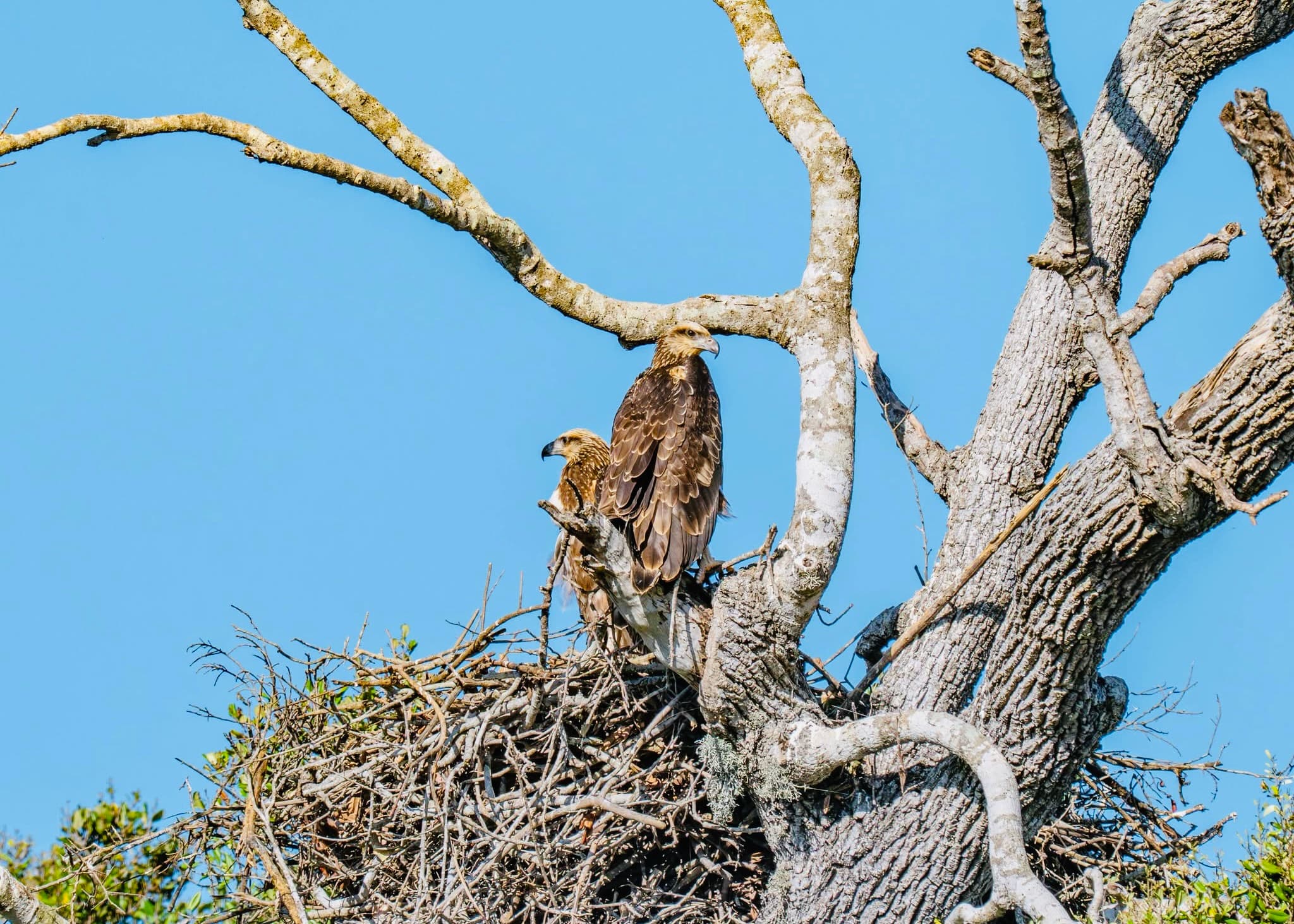
A nomad based in Galle or Mirissa can, on a Friday evening, drive 90 minutes east, check in to a Tissamaharama guesthouse, sleep, and be at the Palatupana Gate at 5:15 AM on Saturday morning — in a safari jeep, watching the sun rise over the jungle while a leopard descends from a granite boulder 25 metres away.
By 11:00 AM Saturday, they are back at the guesthouse. By 2:00 PM, they are back at their base town. By Monday morning, they are at their laptop, working.
A jeep safari at dawn is where the real magic happens — and Sri Lanka in 2026 is quite possibly the most rewarding place on the map.
No other digital nomad destination offers a weekend option this extraordinary. Bali offers temple visits and rice terrace walks. Lisbon offers fado bars and wine. Chiang Mai offers elephant sanctuaries. Sri Lanka offers the world's highest density of wild leopards, blue whales off the south coast, the ancient rock fortress of Sigiriya, and the most scenic train journey in Asia — all within a 2–3 hour drive of each other.
The nomad who bases in Sri Lanka for 6–12 months under the Digital Nomad Visa and uses their weekends deliberately can, within one year:
* Complete the full south coast circuit including Yala, Mirissa whale watching, and Galle Fort
* Ride the Kandy-to-Ella train in both directions (once in monsoon green, once in dry-season gold)
* Visit Sigiriya at sunrise and Minneriya during The Gathering (August–October)
* Watch sea turtles nest at Rekawa Beach
* Attend the Kataragama evening puja ceremony
* See a sloth bear during Palu fruit season
* Photograph flamingos at the Hambantota salt flats
* Take an Ayurveda treatment in Kandy
This is not a tourist checklist. It is a life — one that is available at mid-range cost, under a legitimate year-long visa, in a country that has been ranked among the Top 10 Happiest Travel Destinations precisely because of how it makes people feel when they are there.
Part 7: Practical Nomad Logistics
Banking
Sri Lanka has functional international banking infrastructure for nomads. ATMs accept Visa and Mastercard widely in cities and tourist towns. For regular monthly withdrawals, the most reliable approach is withdrawing cash from Colombo ATMs in larger amounts (LKR 40,000–50,000 per withdrawal is typical maximum) rather than making multiple small withdrawals in rural areas where ATM reliability varies.
Wise (formerly TransferWise) is widely used by nomads in Sri Lanka for receiving international income and converting to LKR at interbank rates. This is significantly more cost-effective than using a Sri Lankan bank account for international transfers.
Some Sri Lankan banks offer accounts to long-stay visa holders — useful for local payments and rent — but the process requires documentation (visa, passport, proof of address) and is most efficiently handled in Colombo.
Healthcare
Sri Lanka packs incredible diversity into a small island nation — and its healthcare system reflects that same range. Private hospitals in Colombo (Lanka Hospitals, Asiri, and Nawaloka) offer genuinely excellent medical care at a fraction of Western prices. Specialist consultations cost USD 15–40. Dental treatment is excellent value. Emergency care in Colombo is reliably available.
Outside Colombo, healthcare quality varies. Galle has adequate private medical facilities. Rural areas near Yala have basic government hospitals — for anything beyond minor treatment, transport to Colombo or a major regional hospital is required.
International health insurance covering Sri Lanka is not optional for a nomad on a year-long stay. It is the infrastructure that makes everything else sustainable.
Visa Renewal and Immigration
The Department of Immigration main office is in Colombo. For nomads based outside the capital, travel to Colombo every 12 months for the renewal process is required. The renewal application should be submitted at least 30 days before expiry.
Keep all documentation — employment letters, bank statements, insurance certificates — organised and updated throughout your stay. Immigration requirements can be verified and occasionally revised; the official Department of Immigration website (immigration.gov.lk) is the authoritative source.
Part 8: The Digital Nomad Community in Sri Lanka
As Sri Lanka's tourism industry continues its recovery and growth, a new category of long-stay visitor has emerged — the remote worker who treats the island not as a destination to visit but as a place to live, at least for a year.
The nomad community in Sri Lanka is growing rapidly in 2026 but remains small enough to be genuinely collegial rather than anonymous. Online communities worth joining before arrival:
Facebook Groups: "Digital Nomads Sri Lanka" and "Expats in Sri Lanka" both have active membership and are valuable for accommodation recommendations, operator advice, and community meetups.
Meetup.com: Tech and entrepreneur meetups operate in Colombo monthly. The Galle Fort area has informal nomad social evenings organised through the Harbour Collective coworking space.
Nomad List: Sri Lanka's profile on Nomad List is increasingly comprehensive — useful for cross-referencing internet speed reports, cost data, and community ratings against your own research.
The social dynamic of the Sri Lanka nomad community reflects the island itself: a mix of European, Australian, and North American remote workers drawn by the visa, the cost, and the wildlife. The community is noticeably more outdoors-oriented than the typical Bali or Lisbon nomad scene — weekend safaris, surf sessions, and hiking are the shared activities that build the friendships.
Frequently Asked: Sri Lanka Digital Nomad Questions
Q: Can I work for a Sri Lankan company on the Digital Nomad Visa? No. The Digital Nomad Visa specifically authorises remote work for non-Sri Lankan employers and clients only. Working for or competing with local Sri Lankan businesses is not permitted under this category. For employment by a Sri Lankan entity, a work permit is required.
Q: Is the internet fast enough for video calls? In Galle, Colombo, and most south coast towns — yes, reliably. In Ella — usually yes, with occasional quality drops. In rural areas and inside national parks — no. The SIM data approach (Dialog 4G at 15–30 Mbps in good coverage areas) handles video calls adequately in most nomad base locations.
Q: Is Sri Lanka better than Bali for digital nomads? Different, not objectively better. Sri Lanka offers lower costs (particularly for accommodation), a less saturated nomad community, more geographic diversity within a small area, and uniquely extraordinary wildlife access. Bali offers a more established nomad infrastructure, better surfing, and a larger expat community. Sri Lanka's Digital Nomad Visa at 12 months exceeds Bali's standard tourist visa options. For nomads who prioritise wildlife and cultural depth over beach-party infrastructure, Sri Lanka is the superior choice in 2026.
Q: What are the tax implications of the Digital Nomad Visa? The visa does not create Sri Lankan tax liability for foreign-source income, provided you do not earn income from Sri Lankan sources. Your home country's tax treaties and residency rules determine your tax obligations — consult a tax professional in your home country. This guide does not constitute tax advice.
Q: Can I bring my family on the Digital Nomad Visa? Dependent family members (spouse and children) may be included on the primary visa holder's application. The documentation requirements and fees for dependents should be verified directly with the Department of Immigration, as these details are subject to change.
Q: What is the best time of year to start a Digital Nomad Visa stay? November to April is the ideal entry window — the south and west coast (Galle, Mirissa) are at their finest, whale watching season is open, and Yala is fully operational with excellent dry-season wildlife conditions developing from February. Arriving in November allows a full November–April peak season before transitioning to the hill country (Ella) and east coast (Arugam Bay) for the May–October period.
The Life That Becomes Possible
The rise of slow travel — where staying longer in fewer places replaces the traditional multi-stop holiday — has become the dominant trend among remote workers in 2026. Sri Lanka's Digital Nomad Visa is the legal framework that makes slow travel in this specific island sustainable for up to a year.
The life it enables looks like this:
Monday to Friday: Working from a desk in Galle Fort or a café in Mirissa, with the Indian Ocean audible from your window, eating the finest rice and curry available anywhere in Asia for USD 3, paying USD 500 for your apartment, finishing work at 6 PM and walking the ramparts at sunset.
Saturday morning: Yala safari. A leopard on a rock at 6:30 AM. A sloth bear in a Palu tree at 7:15. An elephant family at the waterhole at 8:30. Back at the guesthouse by 10:00, photographs downloaded, breakfast eaten, driving back to Galle by noon.
Saturday evening: A fresh crab curry at a seafood restaurant on the beach.
Sunday: The Nine Arch Bridge. The Kandy temple. The Rekawa turtles. The Kataragama drums. The ferry of flamingos across the salt flat dawn. The choice is the luxury.
Sri Lanka is not just a destination; it is a feeling of being welcomed home by strangers. It is safe, it is affordable, and in 2026, it is quite possibly the most rewarding place on the map.
The Digital Nomad Visa just made it possible to live there for a year.
Last updated: May 2026 | Digital Nomad Visa requirements, costs, and practical information are based on the framework introduced in early 2026. Always verify current visa requirements, fees, and regulations directly with the Sri Lanka Department of Immigration and Emigration at immigration.gov.lk before applying, as these are subject to change.
Ready to see this in real life?
Book your Yala safari today and experience the magic firsthand.
Explore Packages