
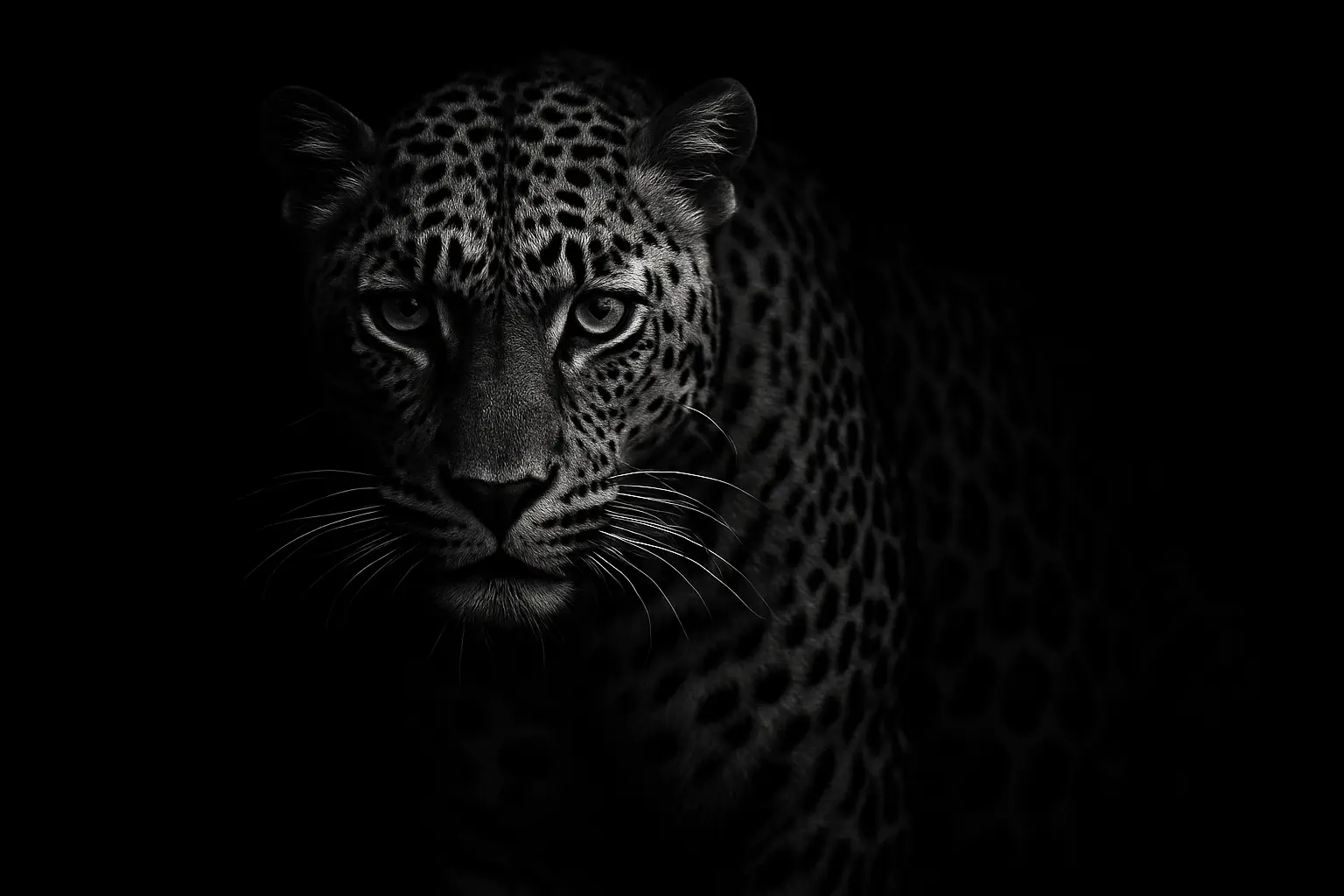
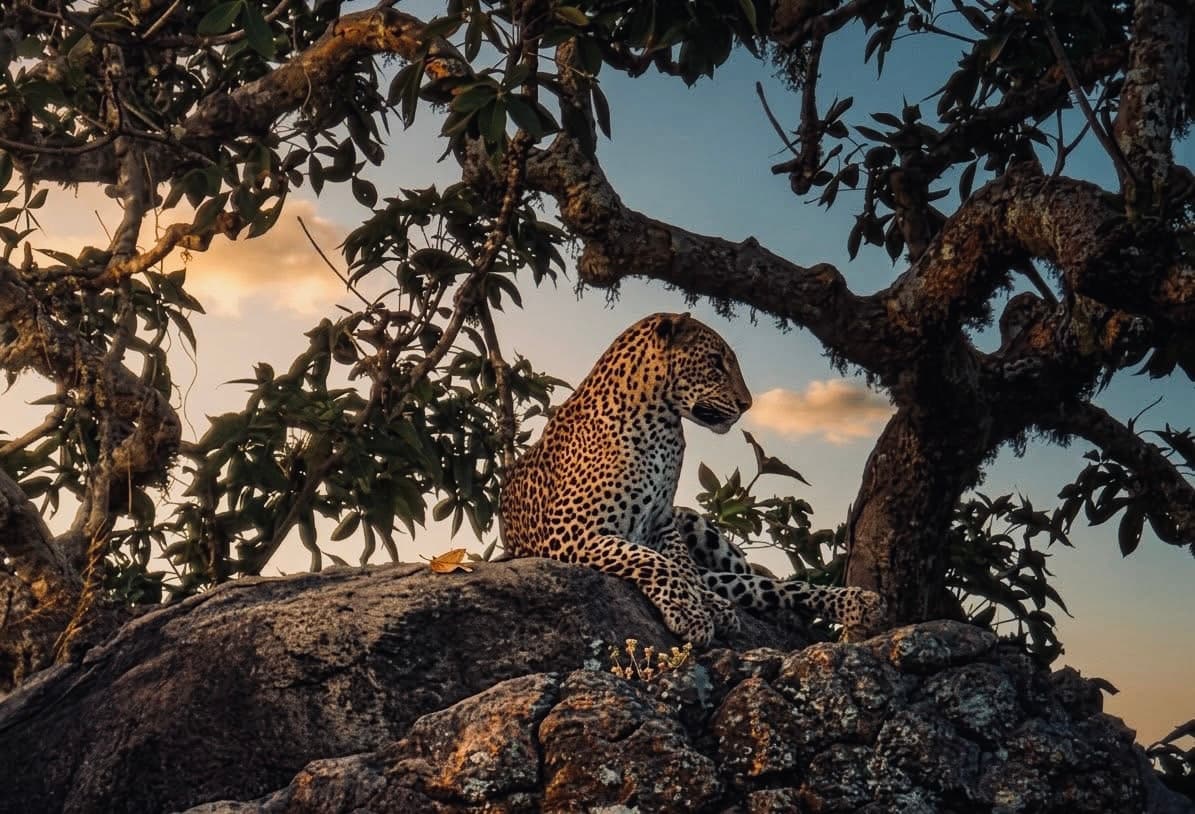
Is Yala National Park Worth It in 2026? (The Brutally Honest Answer Foreigners Are Looking For)
Yala National Park really worth the money in 2026? We answer the most searched question honestly the crowds, the costs, the leopard odds, the jeep jams, and exactly who should (and shouldn't) visit. No fluff.
The Question Half the Internet Is Asking
You've spent an hour reading glowing blog posts about Yala. Every one of them tells you the same thing: "Go. It's incredible. A must-do in Sri Lanka."
Then you scroll to TripAdvisor and find a review titled "Not worth the money." You find someone complaining about 50 jeeps surrounding a single leopard. A traveller from Germany saying the guide spoke no English. A couple from Australia describing the midday heat trap and overpriced sandwiches. A British blogger writing that she saw more elephants from her taxi window than on the actual safari.
Now you don't know what to believe.
This post is for you. No operator paid for it. No hotel comped a stay. It is the honest answer to the most searched question about Yala National Park in 2026 — "Is it actually worth it?" — written for people who are tired of blog posts that read like brochures.
First: Why Is "Is Yala Worth It?" One of the Biggest Searches in 2026?
Real traveller reviews on TripAdvisor show a growing number of visitors saying Yala wasn't what they expected — and search engines are responding. Globally, the search query "Is Yala National Park worth it" has surged in 2026 as post-pandemic tourism returned to Sri Lanka in force. The park is receiving more visitors than ever. And more visitors means more disappointed ones, alongside the genuinely blown-away ones.
The truth is that both groups are right. Yala in 2026 is simultaneously the greatest wildlife experience in Asia and, if poorly planned, one of the most expensive let-downs on the island.
The difference between these two outcomes has nothing to do with luck. It has everything to do with preparation.
The Case FOR Yala Being Absolutely Worth It
Let's start here, because the case is genuinely extraordinary.
1. There Is Nowhere Else on Earth Like This
Yala is the only place in Asia where you can see a leopard, a sloth bear, and an elephant on the beach in a single morning. That sentence is not marketing copy. It is a geographic and ecological fact. The combination of habitats — dry scrub jungle, open grassland, freshwater lagoons, ancient monsoon forest, and a wild coastline where the Indian Ocean meets the wilderness — is completely unique to this corner of southern Sri Lanka.
Across its sandy beaches, wetlands, grassy plains, and monsoon forests, you'll find one of the highest densities of leopards in the world, not to mention elephants, sloth bears, water buffalo, and birds.
No park in Africa offers this precise combination. No park in India does either. If your goal is the Sri Lankan Leopard — a distinct subspecies that exists in high density in only this one location on Earth — Yala is genuinely non-negotiable.
2. The Leopard Probability Is the Highest on the Planet
Block 1 of Yala offers a 30%–50% sighting probability on any given game drive — the highest in the world. Context: in most famous African national parks, a leopard sighting on any given drive is considered exceptional. In Yala, it is closer to a coin flip.
Researchers have identified over 150 individual leopards in Block 1 alone using photographic identification — a density that has no equivalent anywhere else on Earth for this species.
3. The Wildlife Goes Far Beyond Leopards
Elusive sloth bears reside in Yala and are known to climb Palu trees for their fruit, moving agilely from branches to trunks as they feed — these shaggy-coated mammals are incredible to see. Spotting a sloth bear in this setting is an experience most international visitors place above even the leopard encounter in their memory.
The elephant population of Yala is approximately 250–300 individuals, broken into small family groups and lone males. Elephant encounters at Yala are practically certain on any visit, and they include some of the most intimate, close-range sightings possible in Asia.
Add over 215 bird species, massive saltwater crocodiles, spotted and sambar deer, wild water buffalo, and jackals — and Yala offers a wildlife experience that would take weeks to replicate across multiple parks in other countries.
4. The Setting Is Genuinely Breathtaking
The experience is defined by its dramatic transitions, moving seamlessly from sun-drenched plains to the haunting silence of ancient monastic ruins. The park contains 2,000-year-old Buddhist archaeological sites, dramatic coastal vistas, and a landscape that shifts from arid scrub to lush lagoon in the space of a single jeep track. It is visually spectacular in a way that wildlife-only parks cannot be.
The Case AGAINST Yala (The Things Nobody Tells You Upfront)
Now for the honest part that the tour operators and hotel booking sites will not put in their brochures.
1. The Jeep Jam Is Real and It Is Jarring
Yala faces significant overtourism challenges, with hundreds of jeeps lining up at gates by sunrise and convoys of 30–50 vehicles rushing to single leopard sightings. This "jeep jam" phenomenon causes wildlife stress, habitat damage, and diminished visitor experiences.
One European visitor described it: when a driver spotted a leopard, "hundreds — feeling like hundreds — stormed through the steppe in their jeeps" and squeezed in closer. "It was all absurd."
If you have visited Serengeti, Kruger, or any major African reserve, the jeep traffic at Yala Block 1 during peak season will be a significant culture shock. This is not a wilderness experience. It is a popular tourist attraction with wildlife elements. The distinction matters.
2. Guide Quality Varies Enormously
One traveller reported that their official guide "didn't speak any English, didn't provide any extra information, couldn't answer the simplest questions" — and it was the traveller who spotted the elephant and leopard because the guide failed to notice them.
This is not rare. The quality gap between the best and worst operators at Yala is enormous. A skilled, experienced, radio-connected guide who reads animal behaviour and knows the tracks can deliver 8+ leopard sightings over two days. A poor one can drive through Block 1 for three hours and find nothing.
The guide is often more important than the timing, the season, or the block. Choosing the wrong operator is the single biggest risk factor for a disappointing Yala experience.
3. The Pricing Structure Catches People Off Guard
The most common complaint from first-time foreign visitors is arriving at the gate and discovering that the jeep price they agreed to does not include the government park entry ticket — which adds $35–$42 USD per person on top of the quoted price. Recent search trends show that travelers are increasingly frustrated by hidden taxes and inconsistent pricing at the gate.
This is entirely avoidable. It happens exclusively to travelers who book through unlicensed street-side operators offering suspiciously low jeep prices. A single phone call to a verified SLTDA-licensed operator ends this problem completely.
4. The Midday Trap
One visitor reported that they were not aware of the mandatory rest period from around 11:30 AM to 2:00 PM and were forced to wait in the midday heat at a break area for nearly two and a half hours.
Between approximately 10:00 AM and 2:00 PM, Yala is essentially inactive from a wildlife perspective. The heat forces animals into shade. The park's designated rest area — a open facility near the coastline — becomes crowded with parked jeeps and overheated tourists eating overpriced food.
Full-day safari visitors who are not warned about this period often experience it as a deflating two-hour anticlimax in the middle of an otherwise excellent day. The solution is simple: know it is coming, pack your own food, and treat it as a rest before the afternoon golden hour.
5. The Park Is Not Enormous — But It Feels Like It Should Be
At approximately 979 square kilometres across all blocks, Yala is significant in Sri Lankan terms but modest by African national park standards. Visitors arriving with Serengeti or Kruger expectations will find the scale more contained. Block 1, where the vast majority of safaris operate, covers a relatively small core area — which partly explains both the high leopard density and the concentrated jeep traffic.
The Verdict: Who Should Go to Yala, and Who Should Not
Go to Yala if:
You want the highest chance of seeing a wild leopard anywhere on Earth. There is nowhere else. Full stop.
You want the Sri Lankan "Big Three" — Leopard, Sloth Bear, Elephant — in one place. Yala is the only park in Sri Lanka where all three are reliably present and visible within a single visit.
You are combining it with the south coast itinerary. Yala sits perfectly between the hill country (Ella, 2 hours) and the southern beaches (Mirissa, Galle, under 3 hours). It is the natural wildlife anchor of the most popular Sri Lanka tourist circuit.
You go prepared. Early start. Licensed operator. All-inclusive price confirmed before arrival. Two drives minimum. Realistic expectations. With these in place, Yala delivers something genuinely extraordinary.
Consider an Alternative if:
Crowds genuinely bother you. If the thought of 30–50 jeeps converging on one animal makes you feel uncomfortable rather than excited, Wilpattu National Park offers leopard and elephant encounters in near-complete solitude — and is widely regarded as Sri Lanka's best alternative for atmospheric, undisturbed wildlife viewing.
Budget is very tight. Udawalawe National Park is one of the most affordable safari parks in Sri Lanka and offers near-certain elephant sightings at a fraction of Yala's entrance fees. If the leopard is not your priority and budget matters, Udawalawe delivers extraordinary value.
You are booking a last-minute, unresearched trip. Yala rewards preparation and punishes complacency. Booking the cheapest jeep from a pavement operator the morning of your safari, with no advance planning, is the formula for a bad experience.
How to Make Yala Absolutely Worth It: The Non-Negotiable List
Based on everything search data, real traveller reviews, and on-ground reporting tells us in 2026, these are the factors that separate the "best day of my trip" Yala stories from the "not worth the money" ones:
Book all-inclusive with a verified operator. All-inclusive packages in 2026 typically cost $85–$95 USD per person for a half-day experience and cover entrance tickets, private jeep, taxes, and often a naturalist guide — eliminating the hidden-fee problem at the gate entirely. This is not extravagance. It is insurance against the most common Yala disaster.
Arrive at the gate before 5:30 AM for morning drives. The first 90 minutes after gate opening belong to early risers. A 4:30 AM hotel pickup from Tissamaharama is no longer optional — it is required to be first in line when gates open at 6:00 AM.
Do at least two drives. One afternoon and one morning, across a one-night stay. Statistically, this roughly doubles your sighting probability compared to a single half-day drive.
Ask about Block 5. Block 5 (Weheragala) is a rising favourite for 2026, where you will share a sighting with 5 jeeps instead of 50. Adding Block 5 to your itinerary is the single best decision for managing the crowd experience without sacrificing wildlife quality.
Check guide credentials, not just price. Read recent, named, nationality-attributed reviews on TripAdvisor. Look for guides mentioned by name with specific sighting details. A skilled guide is the difference between a transformative experience and a waste of a morning.
Visit in the dry season. Water levels drop during the dry season (February–July), forcing leopards out of thick scrub and toward remaining waterholes — if sightings are your priority, book during these months.
Frequently Asked: The "Is It Worth It?" Questions Foreigners Ask Most
Q: Is Yala National Park overrated? No — but it is over-marketed without caveats. The wildlife experience is genuinely extraordinary. The crowds and pricing confusion are genuinely real. Both things are simultaneously true, and ignoring either one leads to either false expectations or unjustified avoidance.
Q: Is Yala better than an African safari? Not a fair comparison. They are different experiences. Yala offers the highest leopard density on Earth in a unique coastal jungle setting, at a fraction of East African safari costs. African safaris offer larger spaces, the "Big Five," and a different scale of wilderness. For the price-to-wildlife ratio, many experienced wildlife travellers consider Yala extraordinary value.
Q: Is Yala worth it for solo travellers? Yes — but the jeep cost is shared per vehicle, not per person. For a solo foreign traveller in 2026, the total estimated cost for a standard Yala safari is approximately $92.70. For a couple sharing a jeep, the cost per person drops to roughly $80–$85. Solo travellers should look for group safari bookings or shared jeep options to manage cost.
Q: Is Yala worth it in the rainy season? With significant caveats. The northeast monsoon (October–February) brings green, lush landscapes and exceptional birdwatching. Leopard sightings are lower but not impossible. The park typically closes from September to mid-October. If your travel dates fall in the monsoon window, Yala can still be rewarding — especially for photographers chasing dramatic skies and migratory birds.
Q: Is it worth staying inside the park vs. in Tissamaharama? Staying inside the park in a tented lodge or DWC bungalow gives you first access to the gate at dawn — a genuine competitive advantage that translates directly to better sighting odds. For serious wildlife photographers or committed leopard hunters, this premium is worth it. For most visitors, Tissamaharama accommodation with a 4:30 AM pickup achieves nearly the same result at lower cost.
The Final, Direct Answer
Yes. Yala National Park is worth it in 2026.
But only if you go prepared. The visitors who leave saying "not worth the money" almost always made one of three mistakes: they booked through an unverified operator, they did only one half-day safari, or they arrived with African-safari expectations rather than Yala-specific ones.
Yala National Park is one of the best places in the world for spotting leopards — and beyond the leopard, it offers a wildlife experience found nowhere else on the planet. A sloth bear climbing a Palu tree. A herd of elephants crossing the track at dusk. A wild leopard on a beach.
Prepare correctly. Go with the right guide. Arrive early. Do two drives. And you will not be writing a TripAdvisor review titled "not worth the money."
You will be telling everyone you know to go.
Last updated: May 2026 | Based on live 2026 search trend data, verified traveller reviews, and current park fee and operator information from Yala National Park, Sri Lanka.
Ready to see this in real life?
Book your Yala safari today and experience the magic firsthand.
Explore Packages