

Is Yala National Park Worth It in 2026? Honest Safari Guide for Foreigners
Is Yala National Park Worth It in 2026? The Honest Answer Every Foreigner Needs Before Booking
Expert Safari Guide | Updated June 2026 | yalawildlife.com
Let's start with the question you're actually Googling.
You've heard both sides. One traveler you know came back from Sri Lanka and described watching a leopard eat a deer thirty metres from her jeep in the golden hour before sunset. Another told you it was three hours of inhaling diesel fumes in a traffic jam of fifty jeeps, all pointed at a rock where a leopard had been sitting twenty minutes earlier.
Both of those things happened. Both were at Yala National Park. Both are true.
So: is it worth it?
The honest answer is: yes — but only if you book it the right way. And this guide is going to show you exactly what that means, based on the real questions foreigners from the UK, Australia, Germany, the USA, France, and Canada are searching before they book.
Part 1: What Yala National Park Actually Is (And Why the World Is Searching for It)
In 2026, search interest in Yala has spiked by 45%, driven by its global reputation for high-density leopard sightings. That statistic tells you something important: this is not a niche destination anymore. Yala is on the main tourist trail.
Yala is Sri Lanka's most famous national park. Forming a total area of 1,268 sq km of scrub, light forest, grassy plains and brackish lagoons, it's very rich in wildlife and you're virtually certain to encounter elephants, crocodiles, buffaloes and monkeys.
But the single reason it has become a global bucket-list safari is the Sri Lankan leopard — Panthera pardus kotiya. This is a unique subspecies found only on the island of Sri Lanka, classified as Endangered on the IUCN Red List. And in Yala's Block 1, it exists at the highest documented density of any leopard population on Earth — approximately one animal per square kilometre.
There are no lions in Sri Lanka. No tigers. The leopard is the apex predator, and over generations it has evolved with no large competitors to fear. The result is an animal that walks open tracks in daylight, rests on exposed granite boulders at dawn, and tolerates the presence of safari jeeps with the casual indifference of an animal that knows it owns the landscape. That is what makes Yala unlike any other leopard safari destination in Asia.
It is the only place in Asia where you can see a leopard, a sloth bear, and an elephant on the beach in one morning. That sentence is not marketing copy. It is a genuine description of what is possible in Yala National Park.
Part 2: The Real Problems With Yala in 2026 (Nobody Else Will Tell You This)
Here's where most travel blogs fail you. They describe Yala in superlatives and forget to mention the parts that cause bad reviews.
The Jeep Jam Problem
Yala faces significant overtourism challenges, with hundreds of jeeps lining up at gates by sunrise and convoys of 30–50 vehicles rushing to single leopard sightings. This "jeep jam" phenomenon causes wildlife stress, habitat damage, and diminished visitor experiences.
This is real. When a leopard is spotted inside Block 1, drivers use radio networks to alert each other. Within minutes, every jeep in the vicinity converges on the location. You arrive to find the leopard — if it hasn't retreated — surrounded by a wall of vehicles, diesel engines running, dust hanging in the air. The photographers at the front have their shot. Everyone behind has a photograph of the backs of other jeeps.
Despite noisy diesel engines and pollution from safari jeeps creating dust clouds, travelers find the experience fully worth it for the incredible wildlife encounters. That verdict — from real visitor reviews — is the truth in miniature: Yala is imperfect, crowded, occasionally chaotic, and still genuinely extraordinary.
The Pricing Confusion Problem
The biggest barrier for international travelers isn't the elusive leopard, but the "price confusion" surrounding current government fees and logistics. Recent search trends show that travelers are increasingly frustrated by hidden taxes and inconsistent pricing at the gate.
The structure is simple once you understand it, but operators exploit the confusion. We'll explain every cost transparently in Part 4.
The "Cheap Jeep" Scam
Many tourists are caught in the "Cheap Jeep Trap," where local operators quote a low price for the vehicle but hide the mandatory $42+ government ticket fee until you arrive at the gate.
You book what looks like a $35 safari. You arrive at the gate. The government entrance fee for two foreign adults is $71+. Nobody mentioned this. The total cost was never $35. Always ask one question before confirming any booking: "Does this price include the government entrance fee?" If the answer is anything other than a direct "yes," book elsewhere.
Part 3: Yala vs. Udawalawe vs. Wilpattu — Which Sri Lanka Safari Park Is Right for You?
This is the second most-searched question about Sri Lanka wildlife travel. Most guides are vague. Here's a direct comparison.
Quick Decision Guide
Yala Udawalawe Wilpattu
Best for Leopards, Big Three Elephants (guaranteed) Solitude, authentic jungle
Leopard odds 70–85% (dry season) Very low 30–50%
Crowd level High (Block 1) Moderate Low
Landscape Scrubland, coast, lagoon Open grassland, reservoir Dense forest, natural lakes
Cost (foreign adult) $80–$140 all-in $60–$100 all-in $60–$100 all-in
Drive from Colombo 4–5 hours 4–4.5 hours 3–3.5 hours (northwest)
Best season Feb–Jul Year-round (elephants) Feb–Oct
Unique feature World's highest leopard density Near-certain elephant herds Sri Lanka's largest park; "villus" (natural lakes)
Choose Yala if:
You want the best chance of seeing a Sri Lankan leopard in the wild. You're on the southern circuit (Galle, Mirissa, Ella) and Yala fits naturally into your route. You want the complete "Big Three" experience — leopard, sloth bear, and elephant — in a single park. If you want a chance to see a leopard, Yala is non-negotiable.
Choose Udawalawe if:
Located in south-central Sri Lanka, Udawalawe is the best park for elephant sightings. Its open grasslands and the Udawalawe Reservoir create a picturesque setting for observing herds of wild elephants year-round. If elephant sightings are your priority and you want near-certainty, Udawalawe delivers. Udawalawe is the quieter, wilder feeling one — fewer jeeps, more elephants, and honestly, a more intimate experience overall.
Choose Wilpattu if:
The forest cover is denser than in Yala or Udawalawe. This means leopard sightings are less frequent, but each encounter feels wilder and more authentic. Wilpattu is one of the best places in Sri Lanka to spot leopards in the wild. The park's relatively low tourist numbers compared to Yala means animals are often less disturbed and easier to observe. Wilpattu pairs perfectly with Anuradhapura — the ancient cultural capital — and suits travelers doing the northern or cultural triangle circuit.
The Best Answer: Do More Than One
From Yala to Udawalawe is a two-hour drive. You can see leopards in the morning and elephants the next day, with a UNESCO heritage site in between. Sri Lanka is compact. The "Yala + one other park" itinerary is genuinely achievable within a standard ten to fourteen-day trip.
Part 4: The Complete, Transparent Cost Breakdown for Foreigners (2026)
No games. No hidden figures. Here is every cost, explained.
Component 1: Government Entrance Fee
Paid in Sri Lankan Rupees at the park gate. This is a government charge — no operator can discount it.
Visitor Approximate USD (2026)
Foreign adult (13+) $35–$42 per person
Foreign child (6–12) $17–$22 per person
2 foreign adults ~$71 combined
3 foreign adults ~$100 combined
4 foreign adults ~$129 combined
Note: Prices include VAT and service charges, and fluctuate with the LKR/USD exchange rate. Always verify current rates before your visit.
Component 2: Jeep Hire
Paid to your safari operator. A private jeep is mandatory — you cannot enter in your own vehicle.
Jeep Type Cost (USD total per jeep)
Standard jeep, half-day $40–$60
Standard jeep, full-day $70–$100
Luxury/modified jeep (elevated seats, suspension) $80–$130
Block 5 private safari $90–$140
Component 3: What's Usually Included With a Reputable Operator
* Licensed DWC-certified driver/guide
* Hotel pickup from Tissamaharama area
* Water and light refreshments
* Park trekker (ranger) — included in your entrance fee
Real All-Inclusive Cost Per Person
Group Size Half-Day Safari Full-Day Safari
Solo traveler $115–$155 $165–$210
Couple $75–$100 per person $110–$150 per person
Group of 3 $65–$85 per person $100–$130 per person
Group of 4–6 $55–$75 per person $85–$115 per person
The all-inclusive booking rule: When you book with Yala Wildlife, one price covers everything — government entrance fee, jeep hire, certified guide, and hotel pickup. No gate surprises.
Part 5: When to Go — The Seasonal Truth
The dry season logic is simple: less water = animals concentrate at waterholes = you see more wildlife. Here's the practical breakdown by month for foreigners planning trips.
When Conditions Leopard Odds Who Should Go
February – April Dry season begins. Vegetation thinning. Excellent (75%+) Couples, first-timers, photographers
May – July Peak dry. Water scarce. Sloth bears active. Outstanding (80–85%) Wildlife photographers, serious safari travelers
August Inter-monsoon. Occasional showers. Very Good (70%+) Flexible travelers; good value
September – October Block 1 CLOSED (annual rest period) Park closed Do not book
November Monsoon. Roads difficult. Low Not recommended for most foreigners
December – January Tourist peak. Good weather. Lush green park. Good (60–70%) Families, Christmas/NY travelers — book 4–6 weeks ahead
The sweet spot nobody talks about: Late April and May. The south coast beach weather is still good (before the southwest monsoon arrives). Yala's dry season is at its most dramatic. Sloth bears begin appearing for the Palu fruit season. Crowds haven't hit peak yet. This is the window experienced safari travelers choose.
Part 6: Secrets to Maximizing Your Sighting — The Tactics That Actually Work
These are the strategies real wildlife guides use. Most travel blogs don't publish them because they require actual park knowledge.
1. Be First Through the Gate
Gates open at 6:00 AM. The jeeps that enter first find leopards before the animals retreat into shade and before the radio network activates and triggers jeep jams. A 4:30 AM hotel pickup from Tissamaharama is no longer optional — it is required to be first in line when gates open. If your operator suggests a 6:30 AM pickup, find a different operator.
2. Go Full-Day, Not Half-Day
The midday hours (10 AM–2 PM) when most half-day safari tourists leave for lunch are often when the park's quietest and most productive moments happen. Leopards that retreated from morning crowds sometimes re-emerge. Full-day safari guests have statistically higher sighting rates — and they have the park almost to themselves at noon.
3. Request Block 5 (Galge Entrance)
Block 5 is not a compromise alternative to Block 1 — for wildlife photographers, it is often the superior photographic destination. Leopard sightings are frequent in Block 5, with a rising probability documented at approximately 70% per safari. The difference is the experience: in Block 5, there are no 30-jeep traffic jams. A sighting might involve three vehicles. You can reposition for clean backgrounds. The forest canopy is taller, the light richer, the silence genuine.
4. Listen Before You Look
An experienced guide listens continuously for alarm signals from other species:
* Toque macaque monkeys — sharp, repetitive barks = predator nearby
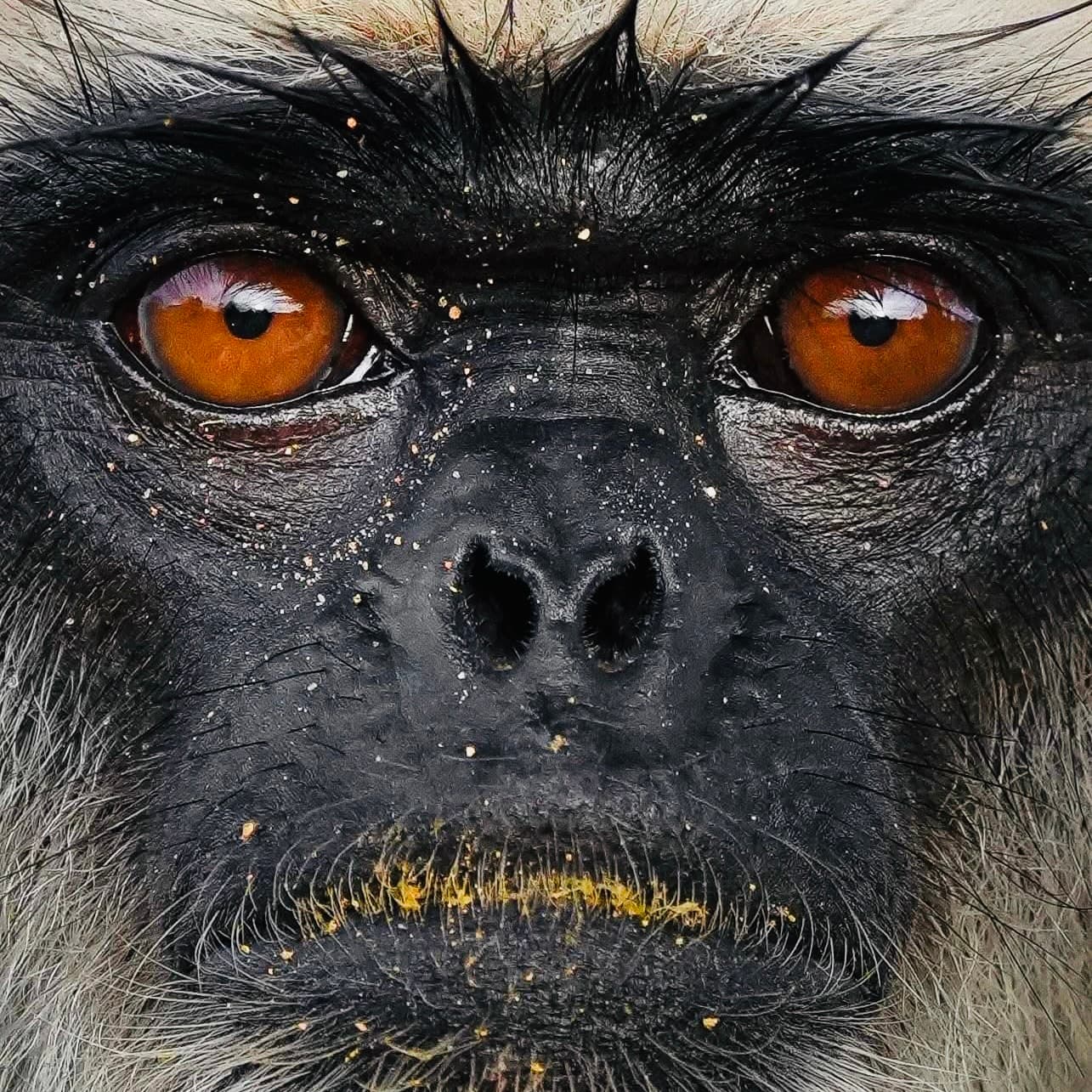
* Gray langur monkeys — a deep, resonating "whoop" = ground-level threat
* Spotted deer — a barking alarm = leopard in the immediate area
* Peacocks — sharp screams = predator approaching
A driver who is watching a screen or chatting is missing half the information the jungle is broadcasting. Ask your guide directly: "Do you track alarm calls?" Their response tells you everything about their experience level.
5. Stay Until the Last Minute
Many jeeps head for the exit at 5:30 PM. The last 30 minutes of park time are often the most magical and quietest. Leopards that have spent the day in shade become active as temperatures drop. The golden hour light before 6:00 PM gate closing is the finest photography light of the day. The jeeps that stay until 5:59 PM see things the jeeps that leave early don't.
6. Stay Overnight in Tissamaharama
Day-trippers from Ella or Mirissa can only do one safari session. Guests who stay overnight in Tissamaharama or in a lodge adjacent to the park can do a morning session and an afternoon session on the same day. Two safari windows dramatically increase your cumulative sighting probability. If you would like to go on a morning safari, it's better to stay in Tissa.
Part 7: Where to Stay Near Yala — All Budgets Covered
Luxury (From $250/night)
Wild Coast Tented Lodge — arguably the most architecturally remarkable safari accommodation in Asia. Suspended pavilions above a lagoon, with elephants and leopards wandering through the property perimeter. Book 3–4 months ahead.
Chena Huts by Uga Escapes — individual tented chalets on a rocky headland, genuinely inside the park boundary. Known for the finest food near Yala and exceptional guide quality.
Hilton Yala Resort — the largest luxury option, with a full-service resort infrastructure and consistent service standards.
Mid-Range ($80–$200/night)
Cinnamon Wild Yala — a genuine wildlife hotel where elephants regularly walk through the grounds. Excellent safari operation. Good pool.
Jetwing Yala — clean, professional, reliable. A dependable choice for travelers who want comfort without the premium price of Wild Coast.
Budget & Guesthouses ($15–$60/night)
Tissamaharama town offers dozens of guesthouses within 30–40 minutes of the park gate, at all price points. This is the best base for travelers doing early morning safaris on a budget.
Part 8: The 10-Day Southern Sri Lanka Itinerary (That Puts Yala in Context)
This is the most popular foreign itinerary on the island in 2026. Yala sits as the wildlife anchor between the south coast beaches and the hill country train journey.
Day 1–2: Colombo — arrival, Pettah market, Galle Face, first night Day 3–4: Galle — Dutch Fort, Unawatuna beach, southern coast exploration Day 5: Mirissa — whale watching (November–April) or beach day Day 6: Tissamaharama — transfer, afternoon safari in Yala Block 1 Day 7: Yala — early morning safari (5:30 AM start, first through the gate), then transfer to Ella Day 8–9: Ella — Nine Arch Bridge, Little Adam's Peak, Ella Rock, famous train journey section Day 10: Kandy — Temple of the Tooth, Peradeniya Botanical Gardens; transfer to Colombo or Bandaranaike Airport
The Ella → Yala morning safari → afternoon Tissa/south coast → next day Ella transfer is the most popular single-day combination on the southern circuit. Book this as one package — pickup in Ella, morning safari, drop at Mirissa or Hiriketiya.
Frequently Asked Questions
Q: Is Yala National Park worth visiting in 2026 despite the crowds? A: Yes — definitively. The leopard sighting probability at Yala during the dry season (February–July) is genuinely unmatched anywhere in Asia. The crowds are a real issue in Block 1, but booking Block 5, arriving at gate opening, and choosing a full-day safari with a reputable operator eliminates most of the negative crowd experience. Travelers who book poorly have a bad time. Travelers who book well have one of the greatest wildlife experiences on earth.
Q: What are the odds of seeing a leopard at Yala? A: During the dry season (February–July) in Block 1, sighting rates sit at approximately 75–85% per safari for guests using experienced operators who know the park well. Block 5 runs approximately 70%. In the wet season or December–January, expect 55–70%. These are probabilities, not guarantees — wildlife is never guaranteed anywhere in the world.
Q: How much should I budget for a Yala safari as a foreigner? A: Budget $75–$100 per person for a half-day safari in a group of two to four, all-inclusive (government fee + jeep). Solo travelers pay $115–$155. Full-day safaris cost approximately 40–50% more and deliver statistically higher sighting rates.
Q: Is Yala or Udawalawe better for first-time safari visitors? A: Yala if you want a leopard chance and the full Big Three. Udawalawe if guaranteed elephant encounters matter more than leopard odds. Travelers on the southern circuit for whom Yala is the natural wildlife anchor, honeymooners staying at Wild Coast or Chena Huts for a luxury wildlife experience, and visitors who want the complete "Big Three" — Leopard, Sloth Bear, Elephant — in one park should choose Yala every time.
Q: Does Yala close during the year? A: Block 1 typically closes for approximately 30 days in September or October for annual wildlife rest and road maintenance. The closure dates shift slightly each year — always confirm with your operator or the Department of Wildlife Conservation before booking. Other blocks may remain accessible during the closure period.
Q: What's the best way to avoid the jeep jams at Yala? A: Three strategies work: (1) Book Block 5 instead of Block 1. (2) Request a full-day safari to access the park during the quiet midday period. (3) Book on weekdays, avoiding Sri Lankan public holidays and school holiday peaks. A reputable operator who limits vehicle numbers at sightings is the foundation — ask directly before booking.
Q: Can I do Yala as a one-day trip from Mirissa or Ella? A: Yes. From Ella, the drive is 2–2.5 hours; from Mirissa, about 2–2.5 hours. The most efficient option is the Ella pickup → morning safari → south coast drop-off combination, which converts your Yala visit into a scenic transit. For the absolute best leopard odds, however, staying one night near the park and doing two safari sessions is strongly recommended.
Q: Are there tigers in Yala? A: No. There have never been tigers in Sri Lanka. The top predator is the Sri Lankan leopard — a distinct subspecies that is bolder and more visible than leopards elsewhere precisely because it evolved without tiger competition.
Q: What should I pack for a Yala safari? A: Neutral-colored clothing (khaki, tan, olive, beige). Light long sleeves for mosquitoes. Closed shoes. Hat and sunscreen. Camera or smartphone with good zoom. Light jacket for pre-dawn pickups — mornings in the jeep can be surprisingly cold. Binoculars if you have them. Absolutely nothing in single-use plastic — Yala has been a plastic-free zone since 2024.
The Verdict: Is Yala Worth It?
Is Yala National Park worth it? Yes — absolutely. But you need to know how to book it to avoid the tourist traps.
A badly-booked Yala safari is expensive, crowded, and may leave you feeling like you paid $120 to sit in a traffic jam. A well-booked Yala safari — with a reputable operator, an all-inclusive price, an early start, and the right block — is one of the most genuinely spectacular wildlife experiences available anywhere on earth.
The leopard doesn't care about your expectations. When it appears on a granite boulder in the first light of morning, draped like something painted, watching the jeep with amber eyes that show no fear — every argument about crowd management stops mattering for exactly as long as that moment lasts.
Book it right. It's worth it.
📞 Book Your Yala Safari With Yala Wildlife
Yala Wildlife is one of the most trusted safari operators at Yala National Park, serving international travelers from the UK, Germany, France, Australia, the USA, and Canada. Every booking is fully all-inclusive — one transparent price, no hidden government fees, no gate surprises.
What's included: Licensed DWC-certified guide · Government entrance fees · Private 4x4 jeep · Hotel pickup from Tissamaharama · Water and refreshments · Block 5 option available on request
→ Check Availability & Book Now
🔗 Internal Linking Suggestions
* → How to Get to Yala from Ella, Mirissa, Galle & Colombo (2026 Route Guide)
* → Yala Block 5: The Secret Safari That Beats Block 1
* → Yala Safari Cost Breakdown 2026 — Full Transparency
* → Best Time to Visit Yala: Month-by-Month Guide
* → Complete Animal Guide: Every Species in Yala 2026
External Authority References
* Department of Wildlife Conservation Sri Lanka — dwc.gov.lk
* IUCN Red List — Sri Lankan Leopard (Panthera pardus kotiya) — iucnredlist.org
* Sri Lanka Tourism Development Authority — sltda.gov.lk
* Lonely Planet Sri Lanka — Yala National Park listed in Best in Travel 2026
© 2026 Yala Wildlife | yalawildlife.com | Sri Lanka's most trusted safari operator for international travelers Book your Yala safari: yalawildlife.com
Ready to see this in real life?
Book your Yala safari today and experience the magic firsthand.
Explore Packages