
Your Ultimate Yala National Park Safari Guide for 2026 Leopard Density, Hidden Blocks, Costs, and Secrets Unlocked
*Your complete roadmap to planning the perfect Yala safari — from the world‘s highest leopard density to the lesser-known blocks where the wild meets the sea. *
Table of Contents
Bite-Size Summary: Quick Planning Reference > — Safari options, costs, and best time at a glance
1. > — World's highest leopard density + 44 mammal species 2. > — Block 1 vs Block 5 — choose your experience 3. > — Month-by-month guide for leopard, elephant, and bird sightings 4. > — Which safari length delivers the best sightings for your travel style 5. > — Transparent pricing — no hidden surprises 6. > — How to reserve permits, choose an operator, and confirm your safari 7. > — The 10 items no Yala first-timer should forget 8. > — Insider mistakes you won‘t find in generic guides 9. > — 10 most-asked questions with 2026 answers 10. > — How to fit Yala into your Sri Lanka itinerary
2026 at a Glance: Your 30-Second Yala Safari Plan
If you want to... Choose this option
Maximise leopard sightings Full-day safari in Block 1, February–June
Avoid crowds entirely Block 5 or 3, May or November
Stay on a budget Shared half-day morning safari, stay in Tissamaharama
Combine with beach time Half-day morning safari, stay in Mirissa or Tangalle
Photography Full-day safari (dawn + golden hour light)
Family safari Half-day morning safari (shorter, cooler, easier for kids)
Guarantee elephant sightings Udawalawe instead of Yala (Yala sightings are less predictable)
1. Why Yala National Park Deserves Your Adventure List
Yala National Park is one of the few places in the world where you can watch a Sri Lankan leopard (Panthera pardus kotiya) stretch across a rock outcrop, then turn your gaze towards the crashing waves of the Indian Ocean just beyond the dunes. With one of the highest densities of leopards worldwide and an extraordinary variety of other species, Yala is a sensory masterpiece that justifies your entire Sri Lanka journey.
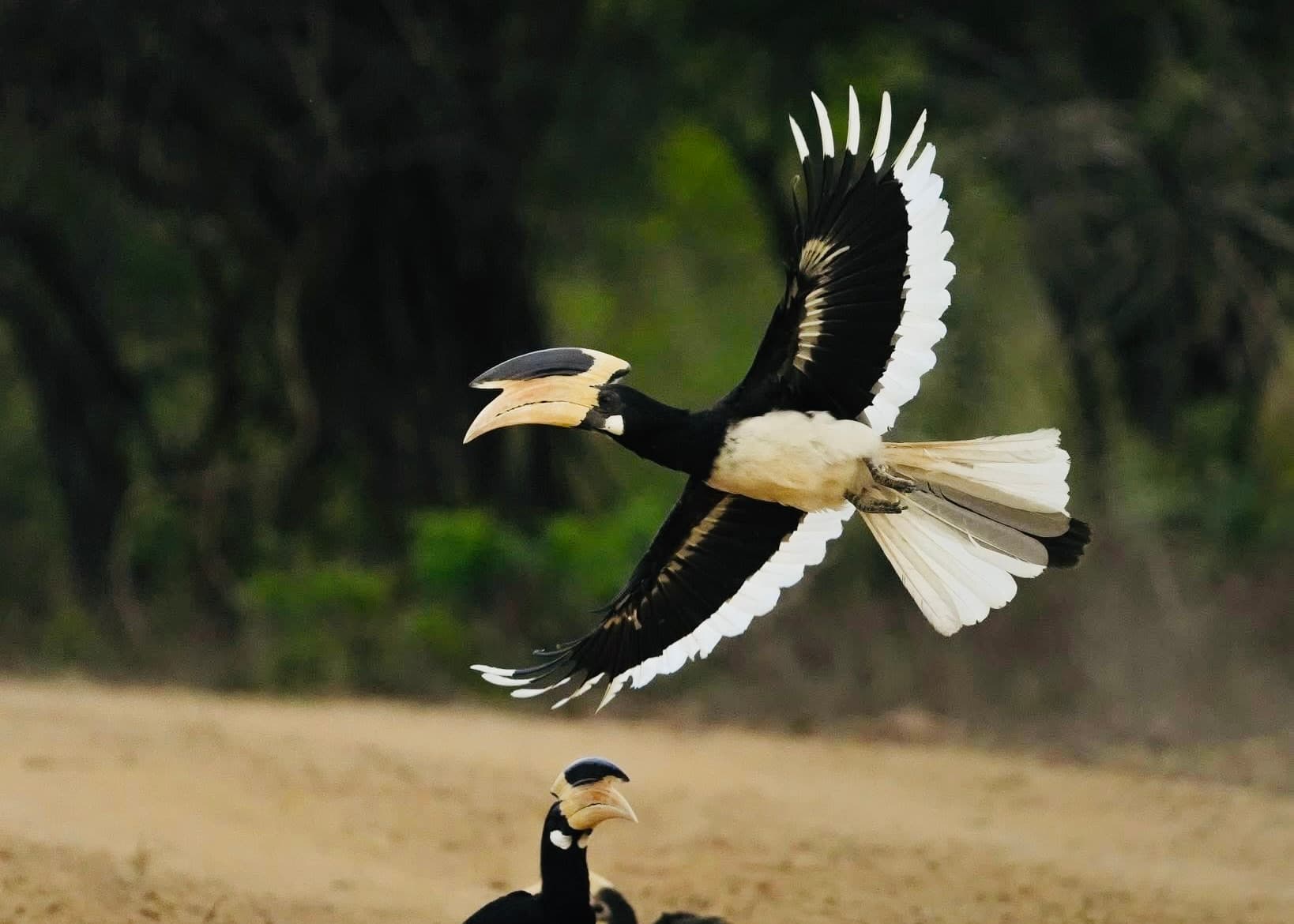
For bird enthusiasts, Yala is a haven, as over 200 species of birds have been recorded within its boundaries, making it one of the premier birdwatching destinations on the island. The semi-arid climate and diverse ecosystems ensure you might spot everything from elephants and sloth bears to crocodiles, jackals, and vast herds of water buffalo in a single drive.
Key Facts at a Glance
Quick Info Details
Full Name Yala National Park (Ruhuna National Park)
Total Area 979 square kilometres
Main Safari Blocks Blocks 1, 2, 3, 4, 5
Operating Hours 6:00 AM to 6:00 PM daily
Best Safari Months February to July (dry season)
Gateway Towns Tissamaharama ("Tissa"), Kirinda, Palatupana
Mammal Species 44 varieties
Bird Species 215+ species recorded
Annual Rainfall Approximately 900mm
2. Understanding the Blocks: Block 1, Block 5, and Beyond
Yala is divided into five safari blocks, and knowing the difference is crucial for avoiding disappointment:
* Block 1 (Palatupana): The most famous and crowded section. 90% of tours go here. It has the world's highest leopard density per square kilometre, but intense jeep traffic means you could be in a convoy rather than a wilderness. Leopard sightings are excellent but very competitive.
* Block 3 & 5: Quieter, more peaceful routes with excellent wildlife viewing but better for travellers who prioritise atmosphere over raw sighting probability. Block 5 is accessible via the Galge entrance — less busy with a dry, open landscape. The perfect choice for introverts or experienced wildlife travellers.
* Blocks 2 & 4: Less accessible, typically requiring full-day tours; better suited to repeated or specialist visits.
Block 1 vs Block 5
Aspect Block 1 Block 5
Leopard Density Highest in the world Lower, sightings possible but rarer
Crowd Levels Extremely busy; convoys around sightings Much quieter; feels like a private safari
Best For First-time visitors desperate for a leopard Nature lovers, photographers, repeat visitors
Landscape Varied — forest, lagoons, open plains Dry, open, savannah-like terrain
Access Gate Palatupana (main entrance) Galge entrance (remote)
Vibe Exciting, competitive, high-energy Peaceful, contemplative, exclusive
Recommendation: If you can, do a half-day in Block 1 followed by a half-day in Block 5. This gives you both the high probability and the peaceful atmosphere.
3. The Insider Calendar: Best Time to Visit Yala in 2026
The dry season from February to June is widely considered the ideal window for wildlife viewing. During these months, water sources across the park dwindle, drawing predators and their prey into the open, particularly around the remaining lagoons and waterholes.
Peak leopard sighting season occurs between May and July. May often combines the best visibility with fewer visitors than peak February or June — making it the "secret month" for savvy travellers.
Month-by-Month Safari Guide
Month Wildlife Activity Crowd Level Recommendation
January Good sightings; pleasant temperatures High Better alternatives available
February Excellent; leopard activity high Peak Book well in advance
March Excellent; peak leopard sightings Peak Best month for leopards
April Excellent; waterholes concentrating animals Peak Book all transfers early
May Excellent; fewer crowds than Feb–Apr Moderate ★ SECRET MONTH — best balance
June Excellent; peak leopard season begins Moderate Good for leopards
July Good; peak leopard season continues Moderate Solid choice
August Fair; fewer water sources available Moderate Consider alternatives
September Park closure; Block 1 closed for maintenance Very Low Check closure dates before booking
October Block 1 remains closed; limited access Low Not recommended for first-timers
November Good for birdwatching; migrant species arrive Low ★ BEST FOR BIRDWATCHING
December Good sightings; tourist season begins Moderate to High Book early
Best Times by Priority
* Best leopard sightings: February to July (peak May–July)
* Best elephant sightings: Year-round; large herds visible in dry season
* Best birdwatching: November to January (migratory species arrive)
* Fewest crowds: May, September, October, November (but verify block closures)
* Best photography: Morning safaris (5:30–9:00 AM) for soft golden light
4. Morning vs Afternoon vs Full-Day Safari
Safari Option Quick Comparison
Safari Type Duration Best For Cost (approx.) Leopard Sightings
Morning Half-Day 5:30 AM – 10:00 AM Predators, birds, active wildlife $25–35 pp (shared) ★★★★★
Afternoon Half-Day 2:30 PM – 6:30 PM Elephants, sunset light, evening activity $25–35 pp (shared) ★★★★☆
Full-Day Safari 5:30 AM – 6:00 PM Serious photographers, maximum coverage $60–80 pp (shared) ★★★★★
Shared Jeep Fixed route, group seating Solo travellers, budget travellers $20–30 pp ★★★☆☆
Private Jeep Flexible route, group control Families, photographers, couples $80–110/jeep ★★★★★
Detailed Breakdown
* Morning Safari (5:30–10:00 AM): Recommended for first-time visitors. Lions share of predator activity occurs in the first two hours after sunrise. Leopards, sloth bears, and most diurnal birds are active during the cooler morning temperatures.
* Afternoon Safari (2:30–6:30 PM): Warmer, but animals begin emerging from shade around 4:00 PM. Excellent golden-hour light for photography. Elephants and leopards come to waterholes to drink before sunset.
* Full-Day Safari (6:00 AM–6:00 PM): Most comprehensive option covering both dawn and dusk windows and exploring deeper zones (Blocks 2–4) not accessible on half-day tours. Full-day safaris last approximately six to eight hours and cost more but provide significantly more coverage than half-day options.
Which to Choose?
* First-time visitor with limited time: Morning half-day — the classic experience
* Serious photographer or wildlife enthusiast: Full-day — you won't regret the extra hours
* Traveller on a tight budget: Afternoon half-day (often cheaper, fewer competitors)
* Family with young children: Morning half-day (shorter, cooler, easier to manage)
* Couple seeking romantic adventure: Private full-day — uninterrupted, tailored experience
5. Real 2026 Costs: Entry Fees, Jeep Hire, and Budget Breakdown
Entry Fee (Foreign Adult): LKR 12,000–13,000 (~$40–43 USD) per person, plus service fees and applicable taxes. This is a government fee paid directly or via your tour operator — confirm which before booking.
Jeep Hire (Half-Day): $40–60 USD per jeep (holds up to 6 passengers).
Private Half-Day Safari (2 persons): $90–110 USD total (entry fees included).
Shared Half-Day Safari (per person): $25–35 USD (plus entry fees separately).
Full-Day Safari (per person):
Total Estimated Safari Cost for 2 Persons:
* Budget: $60–80 (shared half-day + entry fees paid separately)
* Mid-range: $110–130 (private half-day with entry included)
* Luxury: $160–220 (private full-day with meals, premium jeep, expert guide)
What‘s Typically Included
Item Usually Included?
Park entry fee (government fee) Sometimes included; always confirm
Jeep hire Always included
Driver/guide fee Always included
Hotel pickup/drop-off within 5–10km of gate Usually included
Breakfast, lunch, snacks Full-day only; half-day sometimes includes water
Binoculars Sometimes included per jeep
Water bottles Usually included
What‘s Usually NOT Included
* International or domestic flights
* Accommodation
* Tips for driver/guide (customary: $5–10 per person for half-day)
* Additional snacks or beverages beyond basic water
6. Step-by-Step Booking Guide: From Research to Jeep
Step 1: Confirm Timing — Check the park closure schedule (September for Block 1) before booking any non-refundable arrangements.
Step 2: Choose Safari Type — Shared vs private, half-day vs full-day, morning vs afternoon.
Step 3: Select Entrance Gate — Palatupana (Block 1, most popular), Katagamuwa (less crowded), or Galge (Block 5, remote).
Step 4: Book Through a Licensed Operator — Use Viator, GetYourGuide, local operators, or your hotel. Book online permits in advance to enter the park before most other jeeps.
Step 5: Request Written Confirmation — Send a WhatsApp message or email and request a written voucher with permit numbers as your primary safeguard.
Step 6: Confirm Pickup Details — Verify exact time and location 24–48 hours before safari.
Pro Tip: If you‘re staying in Tissamaharama, book directly with local operators the day before arrival — you’ll often get better rates than pre-booking online platforms.
7. Packing Essentials: What to Bring to Yala
The 10 items no Yala first-timer should forget:
1. Sunscreen (high SPF) — Open jeep + tropical sun = sunburn within 30 minutes
2. Hat with wide brim or cap — Keeps sun off face and neck
3. Sunglasses — Dust and glare protection essential
4. Binoculars — Leopards are often 50–100 metres away; digital zoom won‘t cut it
5. Camera with good zoom lens — At least 200mm for wildlife
6. Neutral-coloured clothing — Earth tones (khaki, green, brown); avoid bright colours and whites
7. Long-sleeved shirt and trousers — Sun and dust protection; early mornings can be cool
8. Scarf or bandana — For dust protection (Yala’s trails get incredibly dusty)
9. Water bottle — Minimum 1.5 litres per person
10. Snacks — Morning safaris start early; many packages don‘t include breakfast
8. 7 Mistakes Every First-Time Yala Visitor Makes (And How to Avoid Them)
Mistake Why It‘s a Mistake How to Avoid It
Only visiting Block 1 Extreme overcrowding; leopard sightings become frantic convoys rather than wilderness moments Book a second safari in Block 5 or 3 for a completely different, peaceful experience
Booking a midday safari 11 AM–2 PM is the hottest period; most animals rest in shade. Sightings drop by 70% Choose morning (5:30 AM) or afternoon (2:30 PM) departures only
Waiting to book on arrival during peak season February–April and December see full safari reservations days in advance Book at least 48–72 hours ahead during high season. Use skip-the-line online permits to beat queues
Bringing large luggage Safari jeeps have minimal storage space; large suitcases won‘t fit Leave large luggage at your hotel or base town (Tissamaharama). Bring only a small daypack
Wearing bright or white clothing Spooks animals before you can see them. Guides specifically advise against bright colours Pack earth tones: khaki, olive, brown, beige. Save the white sundress for Mirissa Beach
Forgetting motion sickness medicine The trails are rough, dusty, and winding. After 2 hours of bumping, many travellers regret skipping this Take medication 30–60 minutes before departure. Ginger chews and wristbands also help
Rushing from Ella in one day The trip from Ella to Yala already takes over 2 hours; many travellers then only last 75 minutes on safari and cut the trip short Stay overnight in Tissamaharama or Kirinda. Enter the park for the first safari window
9. FAQs: Everything Else You Need to Know
Q1: Is a Yala safari worth it if I‘ve done an African safari? Yes — Yala offers the Sri Lankan leopard (a unique subspecies), sloth bears, and a landscape that feels completely different from African savannahs. Yala’s coastline setting — jungle meeting sea — is genuinely unique.
Q2: How likely am I to see a leopard? Morning safaris during dry season (February–July) in Block 1 offer approximately 60–80% sighting probability. Full-day safaris increase odds to approximately 85–95%.
Q3: Can I drive my own vehicle into Yala? No. Only licensed safari jeeps with registered guides are permitted inside the park boundaries. You cannot self-drive.
Q4: Is Yala National Park suitable for young children? Yes, with proper planning. Half-day morning safaris are best — shorter durations (4–5 hours), cooler temperatures, and easier for younger children. Confirm that your jeep has seatbelts for all passengers.
Q5: What‘s the best gateway town for Yala? Tissamaharama is the most convenient — closest to the main entrance (Palatupana), widest range of accommodations (budget guesthouses to luxury glamping), and easiest last-minute safari booking. Kirinda offers proximity to the Galge entrance for Block 5 access.
Q6: Can I do Yala as a day trip from Mirissa? Yes — many tours offer Mirissa pickup with return same day. Expect a 2-hour drive each way. Morning departure (4:30–5:00 AM) is standard. Be prepared for a long day (12–14 hours).
Q7: What‘s the difference between Udawalawe and Yala? Udawalawe is better for guaranteed elephant sightings year-round. Yala is superior for leopard sightings. Serious wildlife travellers often do both.
Q8: What animals might I see besides leopards? Elephants, sloth bears, spotted deer, sambar deer, wild boar, golden jackal, Hanuman langur, toque monkeys, mongoose, marsh crocodiles, land and water monitors, peacocks, eagles, pelicans, storks, kingfishers, and 200+ bird species.
Q9: Is ethical tourism possible in Yala? Choose operators who maintain respectful distances, avoid overcrowding, and follow park rules. Ask your operator about their approach to ethical wildlife viewing before booking.
Q10: What should I do the day after my safari? Keep the schedule relaxed. Heat, early starts, and bumpy jeep roads make Yala a full experience — don‘t overload the same day with other major attractions.
10. Your Route to Yala: Logistics from Mirissa, Galle, Ella
From Mirissa / Tangalle / Galle: Approximately 2 hours to Tissamaharama. Most tours offer direct pickup with return same day. Recommended: stay overnight in Tissamaharama for morning safari without rushing.
From Ella: Approximately 2–2.5 hours to Yala. Many operators combine an Ella–south coast transfer with a Yala safari, picking you up in Ella and dropping you off at your south coast hotel after the safari.
Where to Stay in Tissamaharama ("Tissa") – The Gateway Town
Budget Level Recommended Properties
Budget La Safari Inn, Go Yala Hostel (shared dorms and private rooms, most affordable shared jeep safaris)
Mid-range Ajith Safari Lodge, JAMI River Side Hotel
Luxury Cinnamon Wild Yala (animals often roam the grounds), Wild Coast Tented Lodge
Your Next Steps: From Planning to Paradise
Step 1: Confirm your travel dates align with your priorities — leopards (May–July), elephants (year-round), or birdwatching (November–January).
Step 2: Book your accommodation in Tissamaharama — budget guesthouses fill quickly, especially during peak leopard season.
Step 3: Arrange your safari booking — online platforms offer convenience, but local operators in Tissa often provide better rates and flexibility for last-minute changes.
Step 4: Pack earth tones, sunscreen, and binoculars — the three items nobody ever regrets bringing.
Step 5: Wake up early, embrace the dust, and prepare for one of the most unforgettable wildlife experiences in the world.
Ready to see this in real life?
Book your Yala safari today and experience the magic firsthand.
Explore Packages