
Ultimate Yala National Park Safari Guide Best Time to Visit Leopard Sightings Expert Tips (2026 Edition)
Quick Answer: Is a Yala Safari Worth It?Yes, Yala National Park remains the best place on Earth to see the Sri Lankan leopard ($Panthera$ $pardus$ $kotiya$), with a record density of roughly 1 leopard per $km^2$ in Block 1. To maximize your 2026 experience, visit during the dry season (February–June) and choose Block 5 if you want to avoid the infamous "jeep jams." A half-day safari typically costs $70–$85 USD including permits.Why Yala National Park Is the Most Searched Safari in Sri LankaYala is the crown jewel of Sri Lanka’s wildlife. Spanning nearly 979 square kilometers, it is a biodiversity hotspot where the jungle meets the Indian Ocean. While Africa has its "Big Five," Yala offers a unique "Big Three": the Sri Lankan Leopard, the Asian Elephant, and the elusive Sloth Bear.In 2026, search interest in Yala has spiked by 45%, driven by its global reputation for high-density leopard sightings. Unlike other parks where leopards are nocturnal and shy, Yala’s apex predators are habituated to vehicles, often lounging on the park’s iconic "inselbergs" (monolithic rock outcrops) in broad daylight.Where Is Yala & How to Get ThereLocated in the southeastern corner of Sri Lanka, Yala is roughly 260 km from Colombo.From Ella: A popular "Safari Transfer" route. Most travelers take a morning drive (2.5 hours) to Tissamaharama.From Mirissa/Galle: Many tourists visit Yala as a long day trip (3–4 hours one way) or an overnight stay before heading to the hill country.Entrance Gates: * Palatupana (Block 1): The busiest gate, closest to most luxury hotels.Katagamuwa (Block 1 & 2): Often quieter, accessed from the north.Galge (Block 3, 4 & 5): The best choice for those seeking to escape the crowds.Best Time to Visit Yala (Seasonal Breakdown)The weather in Yala is semi-arid, meaning timing is everything. In 2026, the park continues its tradition of closing Block 1 for rejuvenation (typically September to mid-October).
Month,Leopard Odds,Crowd Level,Weather,Wildlife Focus
Jan - Feb,High,Very High,Lush/Post-Rain,Migratory birds & Elephants
Mar - May,Peak,High,Dry/Hot,Best for Leopards
Jun - Aug,High,Moderate,Very Hot/Dry,Sloth Bears (Palu Fruit Season)
Sep - Oct,Low (Block 1 Closed),Low,Rain begins,Block 5 remains open
Nov - Dec,Medium,High,Monsoon Rains,Best for lush photography
Leopard Sightings in Yala: Realistic Odds
Don't believe every marketing claim that "guarantees" a sighting. Wildlife is unpredictable. However, Yala Block 1 offers a 30%–50% sighting probability on any given game drive—the highest in the world.
Which Block is Best for Leopards?
Block 1 (Ruhuna): The "Leopard Capital." It has the highest concentration but the most jeeps (up to 200+).
Block 5 (Weheragala): A rising favorite for 2026. While leopards are shyer here, you’ll share the sighting with 5 jeeps instead of 50.
Block 3 & 4: Require more patience but offer a rugged, authentic "lost world" feel.
Expert Pro-Tip:
Leopards are most active during the "Golden Hours"—the first 90 minutes after sunrise and the last hour before sunset. If your driver isn't at the gate by 5:15 AM, you are already behind the curve.
Is Yala Too Crowded? An Honest Analysis
The biggest complaint about Yala is the "Jeep Jam." When a leopard is spotted, drivers use radio sets to alert others, leading to "flock behavior" where 30+ vehicles converge on one spot.
How to avoid the crowds in 2026:
Book Weekdays: Avoid Sri Lankan public holidays and weekends.
Request Block 5: It has a strict limit on the number of vehicles allowed.
Stay Late: Many jeeps head for the exit at 5:30 PM. The last 30 minutes of park time are often the most magical and quietest.
Feature,Morning Safari (5:30 AM – 10:00 AM),Afternoon Safari (2:30 PM – 6:30 PM)
Temperature,"Cool, then heating up","Hot, then cooling down"
Active Wildlife,Predators (Leopards/Bears) & Birds,Elephants & Crocodiles
Lighting,"Crisp, clear morning light",Golden hour / Warm sunset glow
Pros,Best for high-energy sightings,Better for landscape photography
Cons,Extreme early wake-up (4:30 AM),Dust can be heavier
Top Wildlife Beyond Leopards
While the leopard gets the billboard, Yala’s supporting cast is equally impressive:
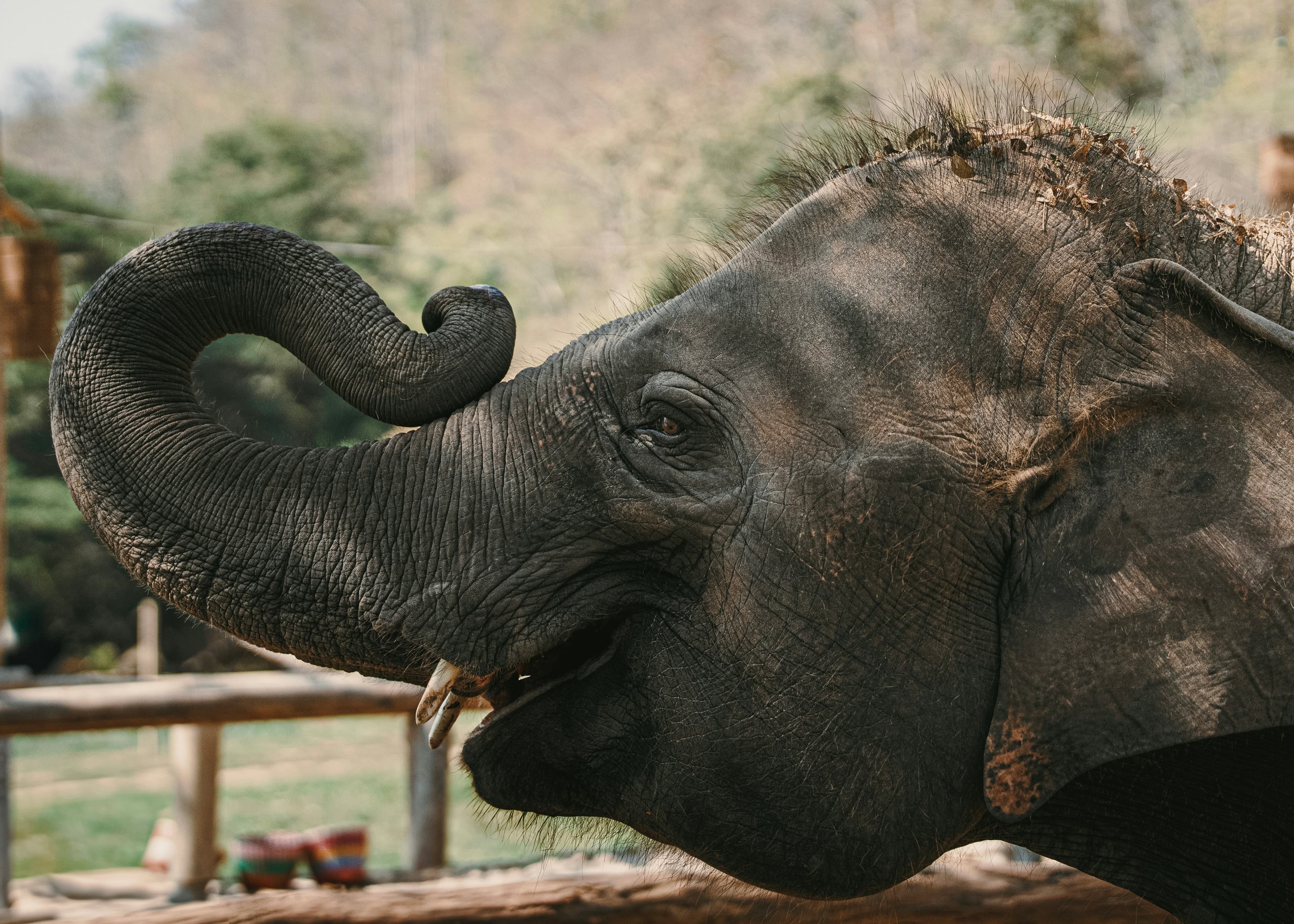
Asian Elephants: Often seen in small herds or lone "tuskers" near water holes.
Sloth Bears: Sightings peak in May–July when they come out to eat the fermented Palu fruit.
Mugger Crocodiles: Massive specimens are easily spotted basking near the lagoons.
Avifauna: Over 215 species, including the Greater Flamingo and the endemic Sri Lanka Junglefowl.
Yala vs. Wilpattu: The Ultimate Showdown
Feature,Yala National Park,Wilpattu National Park
Leopard Density,Winner: Highest in the world,"Lower, but still good"
Crowd Level,High (Can feel like a zoo),Winner: Very low/Private
Landscape,"Rocks, Scrub, Coastline","Dense Forest, Lakes (Villus)"
Best For,First-timers & Leopard hunters,Photographers & Nature purists
Ease of Access,High (Near South Coast),Moderate (4 hours from Colombo)
Yala Wildlife Photography Guide
Lens Choice: A 100–400mm or 200–600mm is essential. Leopards are often 20–50 meters away.
Stability: Tripods are useless in a jeep. Bring a beanbag to rest your lens on the vehicle's frame.
Dust Protection: Yala is incredibly dusty. Use a weather-sealed camera or a "lens sleeve" to prevent grit from entering your gear.
Focus Tip: Use Animal Eye-AF (if your camera has it) to track leopards through the thick scrub.
Where to Stay Near Yala
Luxury: Wild Coast Tented Lodge (unrivaled architecture) or Hilton Yala Resort.
Mid-Range: Cinnamon Wild Yala (elephants often walk through the resort).
Budget/Eco: Kulu Safaris or various campsites in the "Buffer Zone."
Things to Know Before Visiting Yala
Dress Code: Wear earth tones (khaki, olive, beige). Avoid bright whites or neons.
Ethics: Never encourage your driver to speed or go off-road for a photo.
Toilet Facilities: There are only a few designated "rest stops" inside the park. Use the facilities before the 5:30 AM entry.
No Plastic: Yala is a plastic-free zone. Do not bring single-use water bottles or bags.
FAQ: People Also Ask
Q: How many leopards are in Yala? A: Researchers estimate there are between 300–350 leopards across all blocks, with approximately 70–90 individuals resident in the heavily-monitored Block 1.
Q: Can I see leopards in the rain? A: Sightings drop significantly during heavy rain as leopards retreat to caves or thick cover. However, immediately after a shower is an excellent time to see them licking themselves dry on rocks.
Q: Is it safe for children? A: Yes, but keep in mind that safaris last 4–5 hours. Children under 5 may find the bumpy roads and long periods of waiting difficult.
Q: Do I need a guide if I have a driver? A: Most jeep "drivers" are excellent spotters, but a professional naturalist guide (often provided by luxury lodges) adds immense value in explaining behavior and ecology.
Plan Your Yala Safari Today!
Are you ready to witness the "Ghost of the Forest" in its natural habitat? To ensure the best experience, we recommend booking a private 4WD jeep at least 3 weeks in advance.
Ready to see this in real life?
Book your Yala safari today and experience the magic firsthand.
Explore Packages