
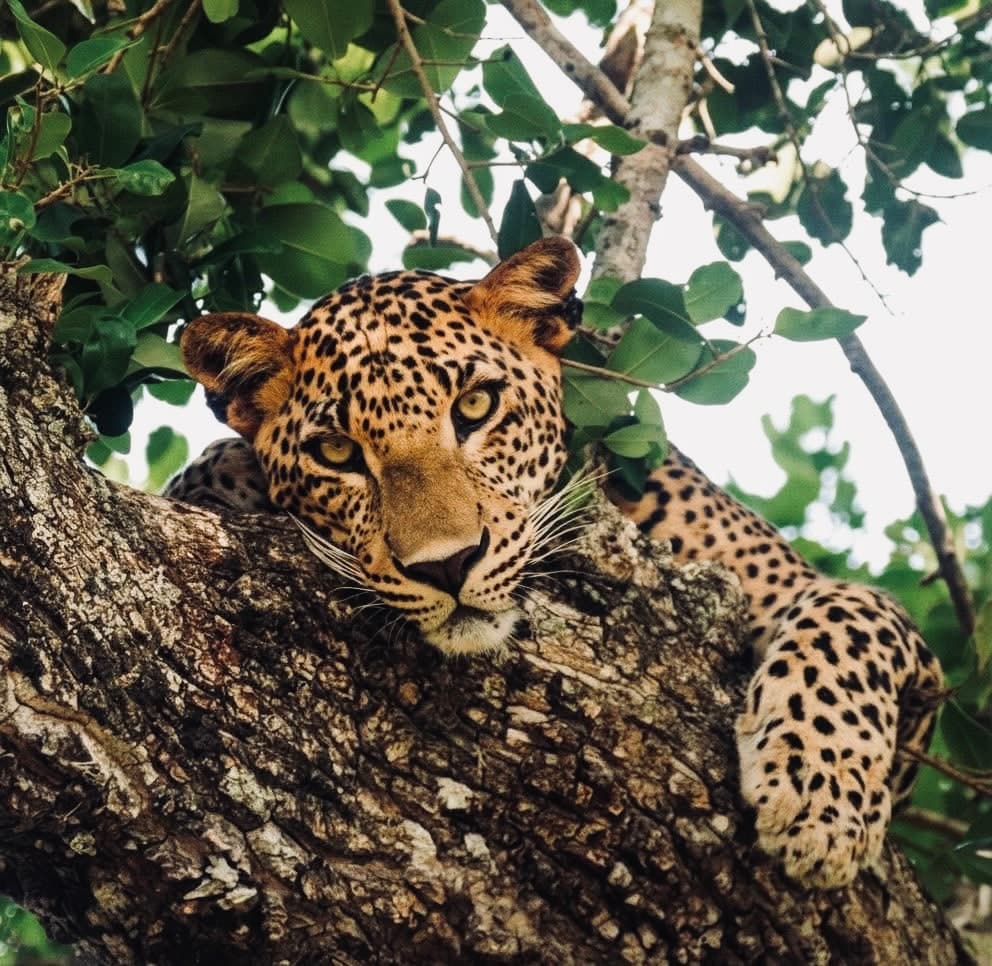
Yala National Park Safari Guide Leopard Sightings, Best Time to Visit & Booking Tips
Yala National Park in southeastern Sri Lanka is Asia's premier leopard-spotting destination, boasting the world's highest density of leopards—approximately one leopard per square kilometer in Block 1. This 1,268-square-kilometer wildlife sanctuary attracts thousands of international travelers seeking authentic safari experiences, making it essential to plan strategically for the best wildlife encounters.
Why Yala Has the Best Leopard Sightings in the World
The Sri Lankan leopard (Panthera pardus kotiya) is the undisputed star of Yala, driving the majority of safari bookings and online searches. Unlike many other parks where leopards remain elusive, Yala's Block 1 leopards have adapted to safari vehicles, making them less shy and significantly easier to photograph. With 25 individual leopards estimated to roam Block 1 alone, your chances of spotting these magnificent big cats are exceptionally high.
The park's unique landscape—a combination of dry forests, grasslands, lagoons, and rocky outcrops—provides ideal leopard habitat. During the dry season, shrinking waterholes concentrate wildlife in predictable areas, making sightings more reliable.
Best Time to Visit Yala for Maximum Leopard Encounters
Dry Season (February to July): This is absolutely the best time for leopard sightings. Water scarcity forces leopards to gather near known waterholes, making encounters more predictable and frequent.
Optimal Safari Times: Early morning safaris (6:00 AM - 8:00 AM) and evening safaris (4:30 PM - 6:00 PM) offer the highest success rates, as leopards are most active during cooler hours. New moon periods are particularly favorable, as leopards exhibit increased activity in darker conditions.
Avoid September-October: Parts of the park close for maintenance during the rainy season, and wildlife viewing becomes challenging.
Yala Safari Cost & Booking Information (2026 Prices)
Understanding safari pricing helps you budget effectively and avoid overpriced operators:
1 person: $90 USD per jeep
2 people: $135 USD per jeep
3 people: $185 USD per jeep
4 people: $230 USD per jeep
5 people: $280 USD per jeep
6 people: $325 USD per jeep
These rates typically include the safari jeep (4-5 hours), park entrance tickets, experienced driver, water/snacks, and free hotel pickup from Tissamaharama area. Full-day safaris cost more than half-day options, with official rates ranging from LKR 16,900 for half-day Block 1 safaris to LKR 29,700 for full-day experiences in Blocks 4 & 5.
Pro Tip: Book private jeep safaris for better flexibility and photography opportunities, as shared safaris may not accommodate individual preferences.
Block 1 vs Other Blocks: Which Zone Should You Choose?
Block 1 (Ruhuna National Park): The most popular and crowded zone, offering the highest leopard density and wildlife accustomed to vehicles. Access through Palatupana (busiest entrance) or Katagamuwa gates. Expect potential "leopard jams" where 30-50 vehicles converge on single sightings.
Blocks 4 & 5: Less crowded alternatives offering more authentic wilderness experiences with good wildlife diversity, though slightly lower leopard sighting rates.
The Overcrowding Reality: Up to 600 jeeps can enter Block 1 on peak days (December-April), creating what experts call "leopard jams" that stress wildlife and diminish visitor experiences. Consider visiting during shoulder seasons or exploring alternative zones for a more peaceful safari.
Wildlife Beyond Leopards: What Else You'll See
Yala harbors 44 mammal species, including 300-350 Sri Lankan elephants, making it one of the island's most biodiverse parks. Other wildlife highlights include:
Sloth bears: Rare and endangered
Wild water buffalo: Threatened species
Mugger and saltwater crocodiles: Both breeding species
Over 215 bird species: Including black-necked stork, lesser adjutant, crested serpent eagle, and migrating waterfowl
Spotted deer, wild boar, jackals, mongooses, and langurs
The park's wetlands attract 90 waterbird species, with half being migrants, making it exceptional for birdwatching during early morning safaris.
Where to Stay Near Yala National Park
Accommodation options range from budget guesthouses to luxury eco-lodges:
Top-Rated Hotels:
Flameback Eco Lodge: Highly rated for breakfast and eco-friendly practices
Black Panther Yala: Excellent for couples
Yakaduru Yala: Just 5 minutes from park entrance
Wild Culture Yala: 4-star hotel with outdoor pool
Average Costs: 3-star hotels average $57/night, 4-star hotels $69/night, and 5-star accommodations around $278/night. Most hotels in Tissamaharama offer free safari pickup services.
Yala vs Wilpattu: Which Park Should You Choose?
"Yala vs Wilpattu" is one of the most searched comparison queries. While Yala offers higher leopard densities and easier sightings, Wilpattu provides a more remote, less crowded wilderness experience. For first-time safari-goers prioritizing leopard photography, Yala remains the superior choice despite overcrowding concerns.
Photography Tips for Yala Safari
Safari photography searches have surged 45% year-over-year. Essential tips include:
Bring telephoto lenses (300mm or longer) for distant wildlife shots
Request window seats in the jeep for unobstructed angles
Use fast shutter speeds (1/1000s or faster) to freeze motion on bumpy terrain
Dawn and dusk offer the best natural lighting for dramatic leopard portraits
Booking Trends & Planning Timeline
Peak inquiry periods occur September-November for December-February high season, and January-March for June-August optimal leopard viewing. Mobile safari bookings have increased 45% year-over-year, indicating travelers prefer on-the-go booking flexibility.
Recommended: Book ethical safari operators who prioritize wildlife welfare over aggressive "leopard-chasing" behavior that stresses animals.
Making Your Yala Safari Sustainable
The future of Yala depends on responsible tourism. Choose operators who maintain safe distances from wildlife, avoid speeding through the park, and respect animal behavior. Consider visiting during off-peak periods or exploring alternative parks like Gal Oya for authentic wilderness experiences without the crowds.
Ready to see this in real life?
Book your Yala safari today and experience the magic firsthand.
Explore Packages