
The Ultimate Yala National Park Safari Guide Everything You Need to Know
Yala National Park is more than just a wildlife reserve; it is the crown jewel of Sri Lanka’s natural heritage. Spread across the southeast coast of the island, Yala offers a raw, visceral encounter with nature that few places on earth can match. From the stealthy movements of the world’s densest leopard population to the trumpeting of majestic Asian elephants, a Yala safari is a rite of passage for any traveler visiting the Teardrop Island.
In this comprehensive Yala wildlife guide, we’ll dive deep into everything you need to plan the perfect trip—from the best time to visit Yala to a head-to-head comparison of Yala vs Wilpattu.
Where Is Yala & How to Get There?
Located approximately 260km from Colombo, Yala spans the Southern and Uva Provinces. It is divided into five "Blocks," with Block 1 (Palatupana) being the most popular for sightings.
Getting to Yala from Key Hubs:
From Colombo: The fastest route is via the Southern Expressway (
). It takes about 5 to 6 hours by private car or taxi.
From Ella: If you are coming from the Hill Country, it’s a scenic 2.5-hour drive down the mountains.
From Mirissa/Galle: Perfect for beach-hoppers, the drive takes about 3 to 4 hours along the coast.
Public Transport: You can take a bus to Tissamaharama (Tissa), which serves as the main gateway town for most travelers.
Best Time to Visit Yala National Park
Timing is everything when it comes to wildlife. While the park is beautiful year-round, your chances of seeing the "Big Three" (Leopard, Elephant, Sloth Bear) fluctuate with the seasons.
Dry Season (February to June): This is the best time to see leopards in Yala. As water holes dry up, animals congregate around the remaining lagoons, making them easier to spot.
The Peak (March – May): Optimal visibility and pleasant weather.
Park Closure (September – October): Note that Yala Block 1 usually closes for 4–6 weeks during the height of the drought to allow the animals a break. Always check the official Sri Lanka Wildlife Department for exact dates.
Monsoon Season (November – January): The landscape turns lush and green. While photography is stunning, the thick foliage can make spotting leopards more challenging.
Top Wildlife in Yala: Meet the Residents
Yala is a biodiversity hotspot. While the leopard is the star of the show, the supporting cast is equally impressive.
1. The Sri Lankan Leopard (Panthera pardus kotiya)
Yala Block 1 is world-renowned for having one of the highest leopard densities on the planet. These apex predators are less elusive here than in Africa, often seen lounging on the iconic granite outcrops.
2. The Asian Elephant
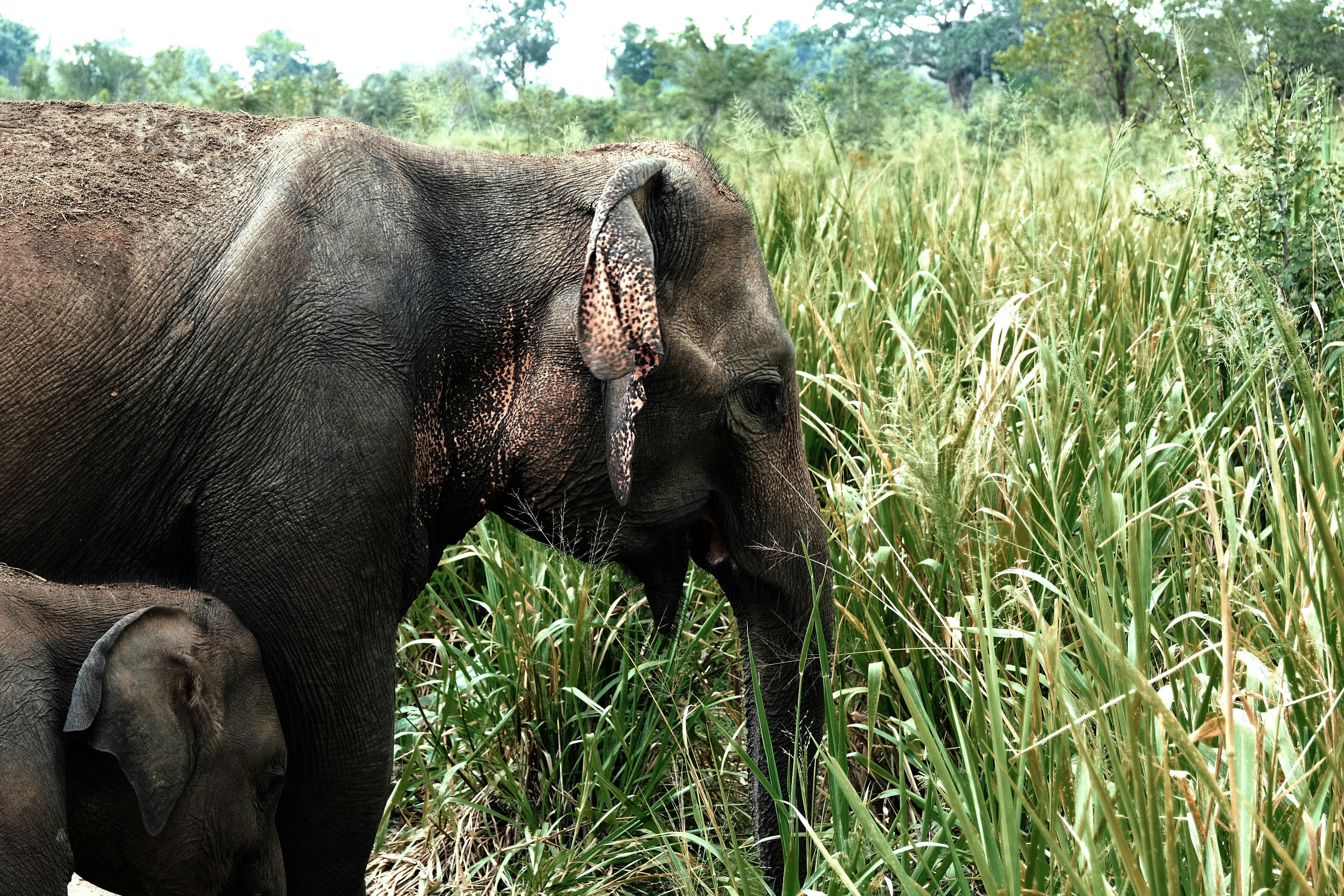
Huge herds roam the park, especially near the watering holes. You’ll often see mothers with calves and the occasional solitary "tusker."
3. The Sloth Bear
The most elusive of the bunch. The best time to spot them is during the Palu Fruit Season (May to July) when they climb trees to feast on the sweet berries.
4. Birdwatcher’s Paradise
With over 215 species, including endemic birds like the Sri Lanka Junglefowl, Yala is a must-visit for birders. Look out for Painted Storks, Pelicans, and the majestic Changeable Hawk-eagle.
Leopard Sightings in Yala: Best Blocks & Times
If leopard sightings in Yala are your priority, strategy matters.
Go for Block 1: This area has the most habituated leopards, meaning they are more comfortable around jeeps.
The Golden Hours: Leopards are most active during the dawn (6:00 AM – 8:00 AM) and dusk (4:30 PM – 6:00 PM).
Morning vs Afternoon Safari in Yala:
Morning Safaris start at 6:00 AM. They are cooler and better for catching cats on the move.
Afternoon Safaris start around 2:30 PM. The lighting is superior for photography, and animals often head to the water before sunset.
Yala Safari Tips for First-Time Travelers
Book a Private Jeep: Don’t share with strangers if you want a tailored experience. Private jeeps allow you to stay at a sighting as long as you like.
Wear Neutral Colors: Blend into the environment with khakis, greens, or browns. Avoid bright whites or neons.
Use a Skilled Tracker: A good driver who understands animal behavior is more valuable than a fast jeep.
Manage Expectations: Wildlife isn't a zoo. Some days you see five leopards; other days, you see none. Enjoy the entire ecosystem!
Yala Wildlife Photography Guide
Capturing the perfect shot requires the right gear and patience.
Lens Choice: A
or
zoom lens is ideal. Leopards are often at a distance.
Stability: Use a beanbag or a monopod. Tripods are difficult to use inside a moving jeep.
Settings: Keep your shutter speed high (at least
sec) to account for jeep vibrations and animal movement.
Focus on the Eyes: Whether it’s a crocodile or a cat, sharp eyes make the photo.
Yala Safari Cost and Booking Tips
Planning your budget is essential. Here is a breakdown of what to expect:
Yala National Park Entrance Fee: For foreigners, the fee is approximately $25 - $30 USD per person (payable in LKR), plus service fees and taxes.
Jeep Hire: A half-day jeep costs between $40 - $60 USD, while a full-day jeep ranges from $80 - $120 USD.
Pro Tip: Always book your safari through your hotel or a reputable local operator to ensure you get a licensed vehicle and an experienced driver.
Where to Stay Near Yala National Park
Luxury: Wild Coast Tented Lodge or Chena Huts. These offer "glamping" at its finest, often located right on the edge of the park.
Mid-Range: Jetwing Yala or Kithala Resort. Comfortable, eco-friendly, and great for families.
Budget: Numerous guesthouses in Tissamaharama offer clean rooms for $20–$40 per night.
Yala vs Wilpattu: Which One is Better?
Choosing between the two biggest parks in Sri Lanka? Here is how they stack up:
Feature Yala National Park Wilpattu National Park
Leopard Density Very High (World-leading) Moderate
Landscape Coastal, Scrub, Rock Outcrops Dense Forest, Natural Lakes (Willus)
Crowds High (Can get congested) Low (Very peaceful)
Accessibility Easy from South Coast/Ella Best from Anuradhapura/Negombo
Experience High Action / "Big Game" feel Wilderness / Deep Nature feel
Things to Know Before Visiting Yala
No Plastic: The park is a "Plastic Free Zone." Do not bring single-use plastic bottles or bags.
Stay in the Vehicle: It is strictly forbidden (and dangerous) to exit your jeep except at designated rest areas like the Patanangala beach.
Silence is Golden: Keep noise levels to a minimum to avoid distressing the animals.
Toilet Facilities: There are very limited toilets inside the park. Use the facilities at the entrance!
Frequently Asked Questions (FAQ)
Is a Yala safari worth it?
Absolutely. It is the best place in Asia to see leopards and offers a diverse range of ecosystems, from beaches to lagoons.
How many days do I need in Yala?
Two days (three safaris) is the sweet spot. It increases your chances of seeing the leopard and allows you to explore different blocks.
Can I see leopards every day?
While sightings are frequent, they are never guaranteed. On average, a 2-day trip gives you a 70-80% chance of a sighting.
What should I pack for a Yala safari?
Sunscreen, a hat, binoculars, a reusable water bottle, and a light jacket for early morning starts.
Is Yala safe for children?
Yes, but children should be old enough to handle 3–4 hours in a bumpy jeep. Most operators recommend ages 5 and up.
Can I do a Yala safari from Galle in one day?
It is possible but exhausting. You would need to leave Galle by 2:00 AM for a morning safari. We recommend staying overnight in Tissa or Yala.
Plan Your Yala Safari Today!
Yala National Park is a bucket-list destination that promises an unforgettable encounter with the wild side of Sri Lanka. Whether you are a professional photographer or a family on vacation, the magic of seeing a leopard in its natural habitat is an experience that stays with you forever.
Ready to start your adventure?
Check out the Sri Lanka Tourism Board for more travel inspiration or book your entrance tickets through the DWC Portal.
Ready to see this in real life?
Book your Yala safari today and experience the magic firsthand.
Explore Packages